








Ghana’s Most Beautiful: Queens and Regions that have made history over 20 years
 0
 0
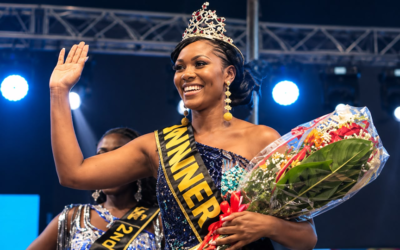
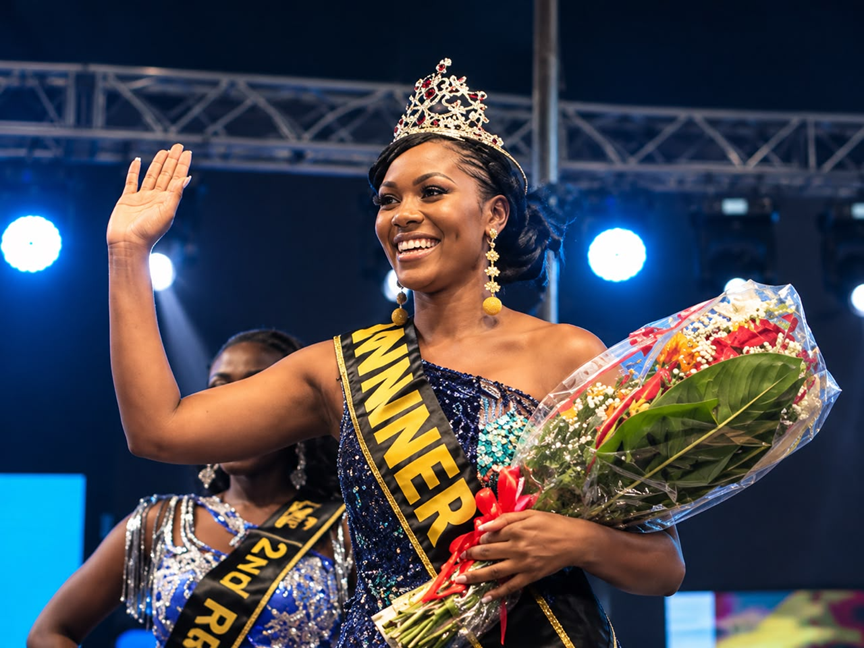
For twenty years, Ghana’s Most Beautiful has given Ghanaians something to look forward to. Every season, women from different parts of the country step onto the stage to represent their regions, speak their languages, share their traditions and tell stories about their people.
For twenty years, Ghana’s Most Beautiful (GMB) has given Ghanaian women a platform to showcase not only their beauty but also their intelligence, confidence, cultural heritage and passion for their communities.
The competition has evolved into a celebration of Ghana’s diverse traditions, languages, food, history and identity. Through weeks of performances and cultural presentations, contestants have told stories that might otherwise remain unfamiliar to many Ghanaians. Some have entertained audiences with dance and traditional attire, while others have used their voices to challenge stereotypes and advocate for social change.
What makes GMB interesting is that a contestant cannot rely on beauty alone. She has to speak well, understand her culture and find a way to make people listen. Sometimes, a simple story told well can leave a stronger impression than an elaborate costume.
As the competition celebrates its twentieth anniversary in 2026, here is a look at the regions that have won the crown and some of the performances that made their queens stand out.
Esi followed in 2015, while Ekua Mends Bannerman brought home the crown in 2019. Ekua was particularly memorable for her ability to mix education with humour. She could explain cultural practices in English or Fante while keeping her audience entertained. In one of her performances, she used humour to make her presentation engaging and she also portrayed a widow to highlight funeral traditions in her region. Her approach showed that cultural education does not always have to be serious to be meaningful. A little humour, when used well, can help people understand and remember a story.


Selorm gave viewers a memorable performance in 2023 when she retold the story of the Ewe migration and the history behind the Hogbetsotso Festival. She spoke about the hardships the Ewes experienced under King Agorkoli and brought the story to life through her acting, costume and emotional delivery.
Her performance earned her both the Star Performer and Best Costumed awards during the semifinals. Rather than simply describing the festival, she helped the audience understand the history behind it. In 2025, Etornam also made her mark during Heroines Night by presenting the story of Mama Asieku III, a traditional leader from Battor who led for 47 years. Her performance focused on the leadership and wisdom of a woman whose story deserved to be told.


Zeinab’s 2017 journey included an emotional performance about maternal mortality. She used the stage to draw attention to a problem affecting mothers and families, showing that GMB could be used to discuss serious issues facing society. Her strength was not limited to cultural presentation.
She also demonstrated her understanding of the role women can play in promoting peace and religious tolerance. In the final, she spoke about the importance of teaching children to respect people of different faiths. Teiya later brought another crown to the region in 2022, becoming one of the queens who carried Northern Region’s name into GMB history. In 2009, the crown was initially awarded to the Northern Region representative but was later transferred to the first runner-up


A memorable example of Ga cultural presentation came during the 2022 edition, when Naa Ahema, Susuana Quarcoo, performed traditional Ga songs and dances. She kept the audience moving while explaining the significance of the music. The judges praised her ability to connect the history of the songs with the present.


The region is home to traditions, festivals and crafts that provide rich material for cultural presentations. Its representatives have had the opportunity to bring these stories before audiences who may know the region mainly for its tourist attractions.
Nana Ama Agyeiwaa stood out by making Ghana’s rich culture part of her story. Throughout the competition, she educated viewers about the Eastern Region’s traditions, festivals, natural resources and child-naming practices. Abena Kyei won hearts with her consistency throughout the 13-week competition.
She earned the Star Performer title four times, showing that she could deliver performances that impressed both the judges and the audience. Her strong showing on the final night, combined with public votes, helped her emerge as the winner. She also used her platform to support an HIV/AIDS awareness project.


Sarfoa stood out in 2021 when she performed the traditional Kete dance. She did more than dance for the audience; she explained the meaning behind the movements, including how the dance begins with greetings and acknowledgement of those present. She also explained how different movements reflected the resilience, identity and warrior traditions of the Asante people.

Benedicta Akua Sarfoa Asamoah

What made Poka’s performance captivating was her ability to connect cultural identity with issues affecting society. During the competition, she demonstrated her knowledge of the Upper East Region by discussing the economic importance of cattle rearing in Bawku and the potential of leather production from cattle hides. Her response reflected an understanding of how traditional livelihoods could contribute to economic development.
Another memorable aspect of Poka’s journey was her talent presentation, which addressed the problem of early marriage. By using her platform to highlight this social issue, she demonstrated that GMB was about more than beauty, fashion and stage presence. It was also an opportunity for contestants to educate audiences, challenge harmful practices and give meaning to their performances.

Baci’s performances stood out for their creativity, versatility and ability to use entertainment to communicate important social messages. One of her most memorable moments came during the talent presentation, when she rode a motorbike onto the stage and portrayed a police officer cracking down on a drug den.
The dramatic act caught the audience’s attention while highlighting the dangers of drug abuse and the importance of saying no to drugs. Baci’s journey showed that a captivating GMB performance goes beyond entertainment. Through drama, confidence and a clear message, she demonstrated how a queen could use the stage to educate, inspire and leave a lasting impression on her audience.

Her victory was followed by action beyond the stage: she championed breast cancer awareness, organising free screening for more than 500 women in the Jomoro and Ellembelle districts. During the grand finale, her talent presentation carried a strong message about the need for peaceful elections.
She began with a scene depicting violence among young people and urged Ghanaians to put the interest of the country first as the December 7 elections approached. She ended by getting the audience to sing the National Anthem. The presentation connected entertainment with a timely national issue, while the finalists also faced questions on topics including tourism, illegal mining and sustainable development.

Titiaka’s performance captivated audiences through her confident presentation of Savannah’s culture and her vision for social change. Her eloquence, resilience and strong delivery earned praise from the judges and viewers. Her ability to speak her local language also played an important role in her participation in the competition.
Titiaka’s victory was particularly significant as she became the first hijab-wearing queen in the pageant’s history, making her win a landmark moment for both Savannah Region and the competition.

One of the most talked-about parts of her journey was her decision to challenge the mockery of the Bono accent. She reminded viewers that the way someone speaks does not determine their intelligence. It was a message many people could relate to, especially those who have been laughed at because of their accent. She also impressed viewers during One Africa Night with a presentation about Côte d’Ivoire.
Her performance explored the country’s history, food, cocoa, tourism and shared Akan connections with Ghana. She told the story of Queen Abla Pokou and brought in the country’s football culture and Coupé-Décalé dance. The presentation earned her the Star Performer award for the night. Her ability to combine history, culture and entertainment helped build momentum towards her eventual victory.
Nana Konadu Nhyiraba Obeng.