
















K-pop, K-film and K-food: Why not K-games?
 0
0  0
0
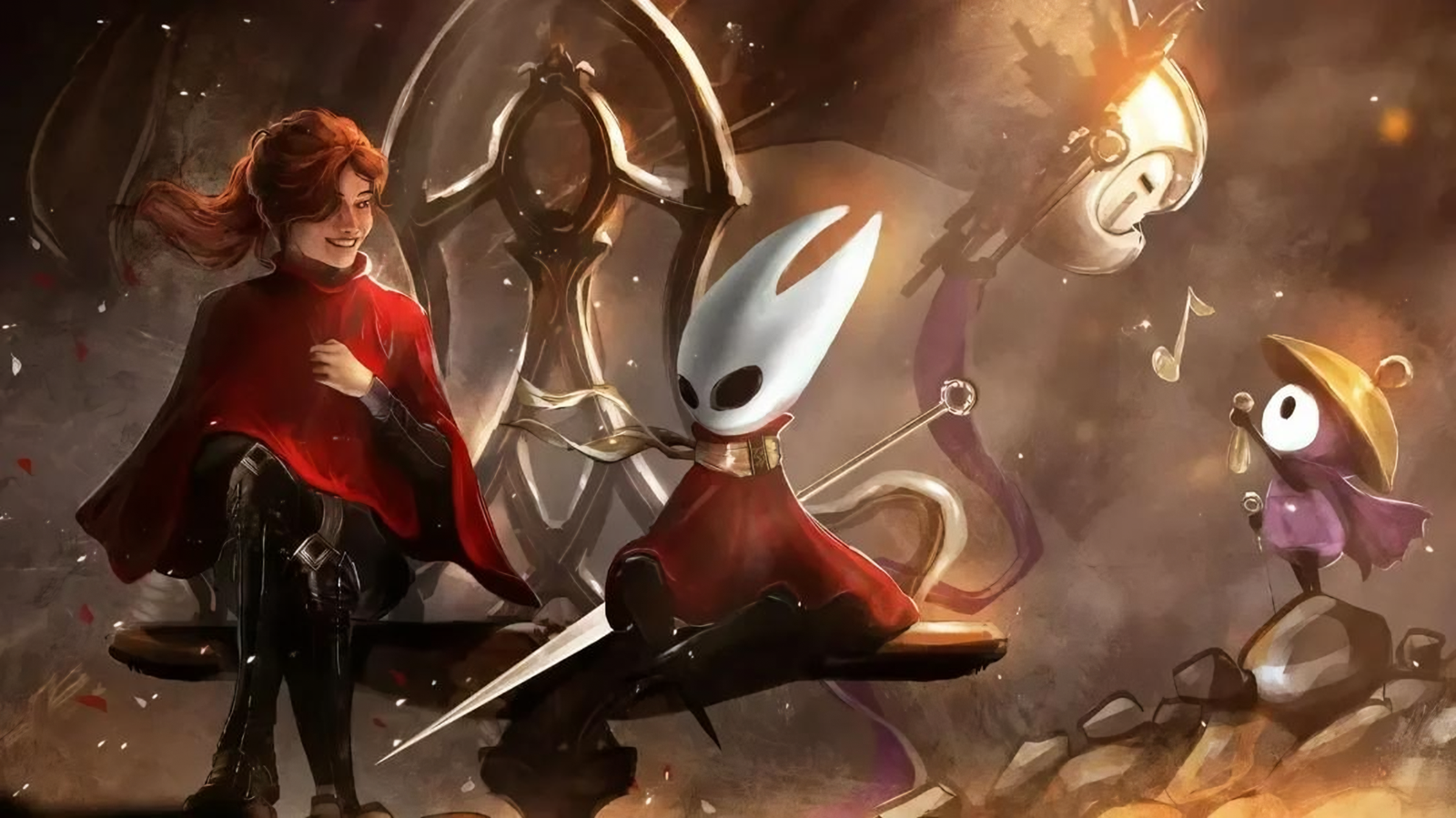
Role-playing game Clair Obscur: Expedition 33 by French video game studio Sandfall Interactive and Hollow Knight: Silksong, the sequel to the critically acclaimed Hollow Knight, by Australian indie game studio Team Cherry were both released in 2025, marking a very memorable year for video games. Both titles were heralded as hallmarks in video game development, showcasing bold artistic choices, player-driven narratives and exploration of complex themes. Most importantly, however, the two games would continue to remain culturally relevant, spawning numerous inside jokes, memes and fan creations through most of the year — a remarkable staying power for a video game that few, if any, developed in Korea have yet to achieve. In recent years, Korea has become a cultural powerhouse in fields such as music, film and food, cultivating a loyal global fandom. Yet, the country has continuously struggled in the nascent video game market. It raises the question: Within the K-storm, why are there no K-games? How do games find cultural relevance? Video games have become a highly saturated market, with
Source link