












Harmattan home guide: Dust, dry air and fire safety in Ghana
 0
 0

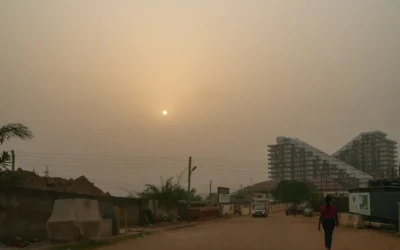
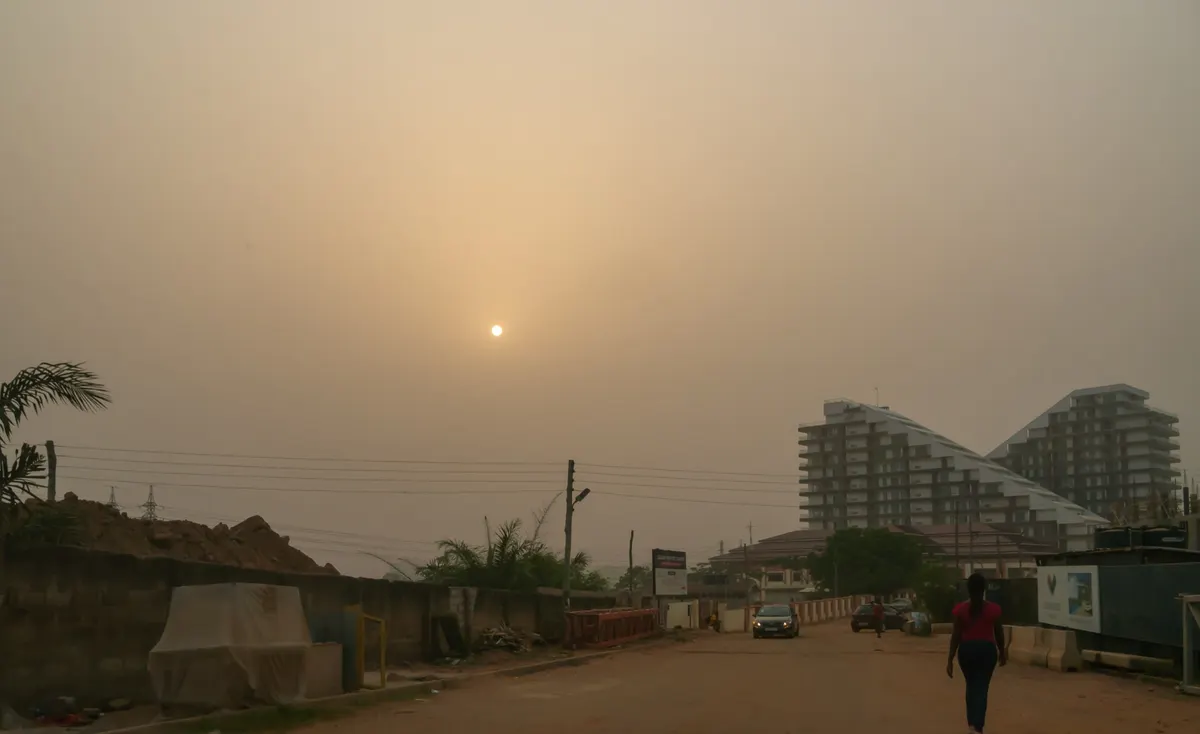
Every dry season, northeast trade winds from the Sahara and Sahel sweep across Ghana, bringing fine dust haze, low humidity and heightened domestic and bushfire risks.
Preparing your house before the peak haze arrives helps keep dust out of living spaces, prevents cooking-gas and electrical fires, and protects relatives from respiratory and skin ailments.
When does the Harmattan usually set in across Ghana?
The Harmattan typically sets in across northern Ghana from late November and reaches the forest belt and coast between December and February, sometimes lasting into March. Its timing depends on the southward shift of the Inter-Tropical Boundary (ITB), where dry Saharan air meets moist maritime air.
As of November 2026, GMet has not announced a specific onset date for the 2026/2027 Harmattan wind, after the 2025/2026 season saw an unusual late-December delay in the south.
Still, GMet’s October 30 outlook flagged heightened risks of dust, water stress and bushfires from November through April, especially across the north.
How to keep Harmattan dust out of your home
Fine Saharan dust enters through louvre blades, windows, vents and door gaps. Four daily habits cut indoor dust:
- Shut windows during peak haze: Keep windward windows and louvres closed in the early morning and late afternoon.
- Damp-dust instead of dry-sweeping: Wipe louvres, sills, fan blades and floors with a damp cloth or mop rather than a dry broom.
- Wash curtains and nets regularly: Mosquito nets and curtains trap fine dust and need frequent rinsing.
- Cover water and food: Keep drinking water containers, dishes and cooked meals covered.
Protecting your family from dry air, asthma and skin irritation
According to the Ghana Health Service (GHS) Harmattan health advisory, low humidity and dust cause cracked skin and lips, dehydration, eye irritation, respiratory infections and asthma attacks. Because northern Ghana lies in Africa’s meningitis belt, extreme dryness and heat also raise the risk of cerebrospinal meningitis.
- Moisturise with oil-based products: Apply shea butter or another oil-based moisturiser to the skin and lip balm after bathing.
- Stay hydrated: Drink plenty of water and eat water-rich foods such as watermelon and soups.
- Protect people with asthma and sickle cell disease: Avoid dusty areas, wear face masks outdoors, keep prescribed inhalers close at hand, dress children in warm layers such as cardigans on cold mornings, and give children with sickle cell disease extra water.
- Shield the eyes: Wear sunglasses or clear protective glasses outdoors, wash hands frequently and avoid rubbing the eyes.
Speak to a health worker or visit the nearest health facility promptly if anyone develops breathing difficulty, persistent coughing, eye discharge, or high fever with a stiff neck.
GNFS fire-safety and cooking-gas rules
Low humidity dries out timber, roofs, curtains and grass, allowing a spark to spread rapidly.
“we are getting to the harmattan, where the atmosphere is going to be very dry, and this is the time we experience most fires.”
- Unplug appliances: Unplug irons, televisions, fans, heaters and chargers when leaving home or during power cuts.
- Do not overload sockets: Avoid plugging high-wattage appliances such as kettles, microwaves, fridges and irons into one extension board.
- Handle LPG cylinders safely: Keep cylinders upright in a ventilated spot—preferably outside the kitchen—and check hoses and regulators for leaks using soapy water, never a naked flame.
- Turn off the gas regulator: Close the cylinder valve after cooking and never leave cooking unattended.
- Keep an extinguisher ready: Install a functional fire extinguisher near the kitchen. Fire safety reports can also form part of the requirements for a district assembly building permit under LI 2384, the Land Use and Spatial Planning Regulations of 2019.
In a fire emergency, evacuate immediately and call 112 or 192.
Bush-burning rules around your property
Clearing dry weeds around your fence wall creates a firebreak, but open burning is restricted. Under Section 1 of the Control and Prevention of Bushfires Act, 1990 (PNDCL 229), “Except as otherwise provided under this Act, it is unlawful for a person to start a bushfire for any purpose.”
Section 2 defines starting a bushfire as any action that “results in the uncontrolled burning of a farm, forest or grassland,” while Section 6(1)(b) empowers each District Assembly’s Bushfire Control Sub-committee to prohibit burning farm slash, grass and dead wood during the dry season.
Under Section 11, starting an unlawful bushfire carries a fine of 250 to 1,000 penalty units or up to 12 months’ imprisonment or community labour (two years for a repeat offence), plus liability for destroyed property.
Under Section 12, failing without good cause to report a bushfire carries a fine of up to 25 penalty units or one month’s imprisonment.
Is it legal to burn dry grass on an empty plot during Harmattan? Under PNDCL 229, any burning that causes an uncontrolled fire on grassland or farmland is an offence, and District Assemblies ban burning grass and slash during the dry season.
How do I protect a child with asthma during Harmattan? Keep asthmatic children out of dusty areas, have them wear a mask outdoors and warm clothes on cold mornings, keep their inhaler handy, and speak to a health worker if symptoms flare.