






Korea reassesses trade, security ties after Democrats sweep US Congress
 0
 0

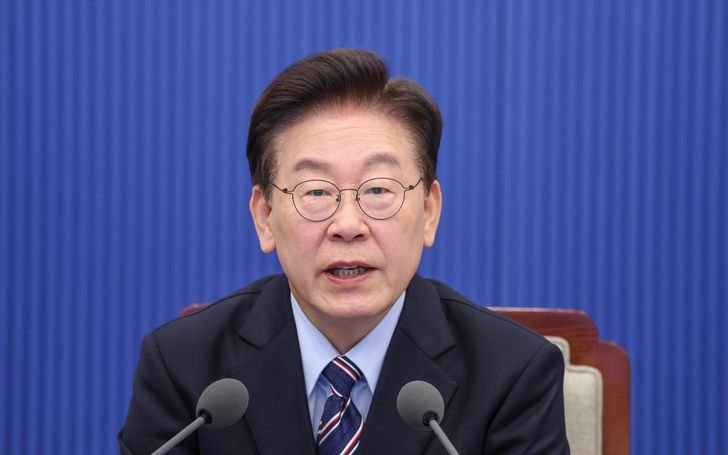
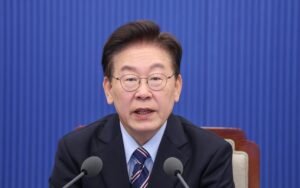
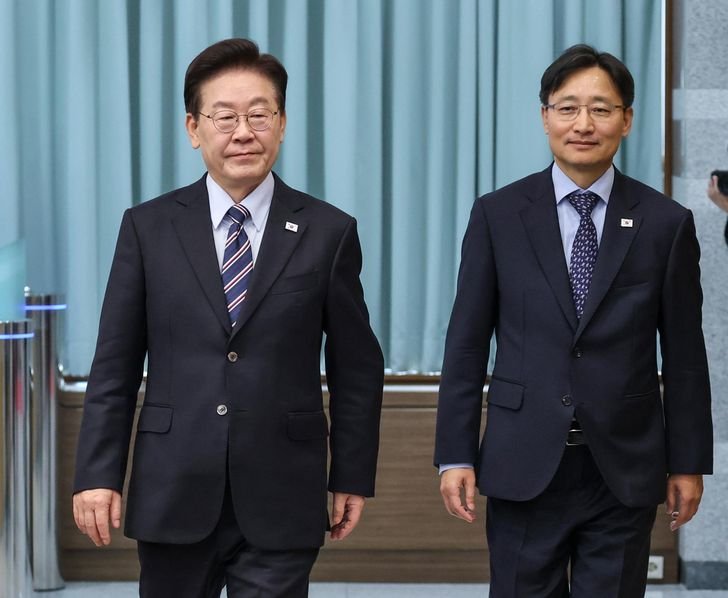
President Lee Jae Myung and presidential chief of staff Lim Kwang-hyun enter a weekly meeting with senior secretaries at Cheong Wa Dae in Seoul, Thursday. Lim reportedly instructed senior staff to develop responses to the potential effects of Tuesday’s U.S. midterm elections on U.S. tariff policy and bilateral security cooperation. Yonhap
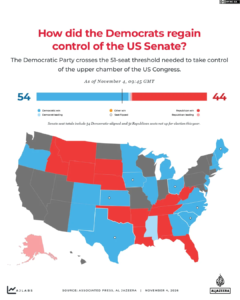
Seoul is assessing the fallout from the Democrats’ sweeping victory in the U.S. midterm elections, Tuesday, preparing for possible changes in trade, security and nuclear cooperation while seeking to keep existing agreements with Washington on track.
“The government will analyze changes in the U.S. political landscape following the midterm elections and continue to communicate and cooperate closely with the U.S. administration and Congress,” presidential chief spokesperson Kang Yu-jung said during a press briefing, Thursday.
She also said the government “does not expect the outcome of any particular election to affect the Korea-U.S. alliance,” noting the alliance has developed over more than 70 years with bipartisan support in the U.S.
A separate Cheong Wa Dae official said the presidential office “has been continuously reviewing how to respond to shifts in the balance of power in the U.S. Senate and House.”
“Given the complexities of Korea-U.S. relations, Cheong Wa Dae and relevant ministries are closely monitoring developments,” the official said.
Presidential chief of staff Lim Kwang-hyun reportedly instructed senior staff to develop responses to the election outcome’s potential effects on U.S. tariff policy and bilateral security cooperation.
The Democratic takeover of both the Senate and the House means Seoul must maintain cooperation with U.S. President Donald Trump and the White House while strengthening ties on Capitol Hill, where lawmakers could play a greater role in scrutinizing or shaping agreements involving trade, nuclear cooperation and defense.
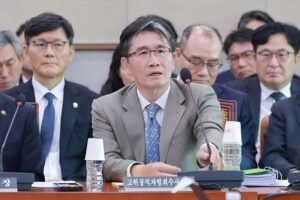
Prime Minister Han Seong-sook also noted Thursday that bipartisan support for the alliance would help prevent major changes in ties.
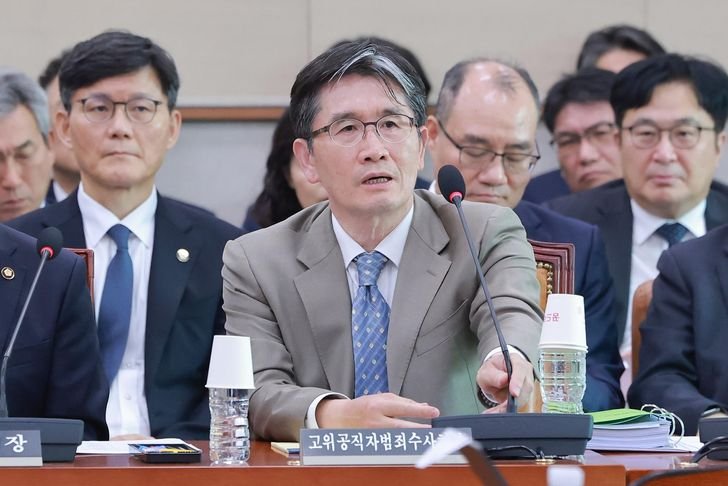
“Both Democrats and Republicans have attached importance to the alliance between our two countries, so I do not expect any very significant changes in relations with Korea,” she told the National Assembly’s Special Committee on Budget and Accounts.
Han nevertheless acknowledged that “the Democrats’ victory was much stronger than expected” and called for closer examination of individual policies.
“There are issues that require more detailed analysis and further responses,” she said, adding that relevant ministries were conducting reviews.
She also pledged more frequent meetings with ministers handling diplomacy and security to coordinate responses.
Meanwhile, the Ministry of Foreign Affairs said it is preparing to strengthen outreach to members of the incoming Congress, building on contacts with key lawmakers and candidates during the campaign.
“We will strengthen communication with key figures elected to Congress and expand our networks in support of the Korea-U.S. alliance,” it said.
The ministry added that Seoul would reinforce communication channels to ensure continuity in bilateral cooperation.
Potentially affected policies include expanded uranium enrichment and spent nuclear fuel reprocessing rights, nuclear-powered submarines, the transfer of wartime operational control (OPCON) and Korea’s $350 billion investment in the U.S.
Nuclear cooperation could require particularly close congressional engagement, as revising the bilateral agreement and advancing arrangements for nuclear-powered submarines could face legislative support alongside negotiations with the administration.
OPCON transfer and defense spending commitments will remain subjects of bilateral security consultations.
Seoul will need to assess whether the congressional shift affects Washington’s approach to implementing those agreements.
Investment pressure, however, is unlikely to ease substantially, as Democrats also prioritize attracting investment and creating American jobs, limiting prospects for a significant reduction in Korea’s commitments.