




3 in 4 Seoul residents drink tap water: survey
 0
 0

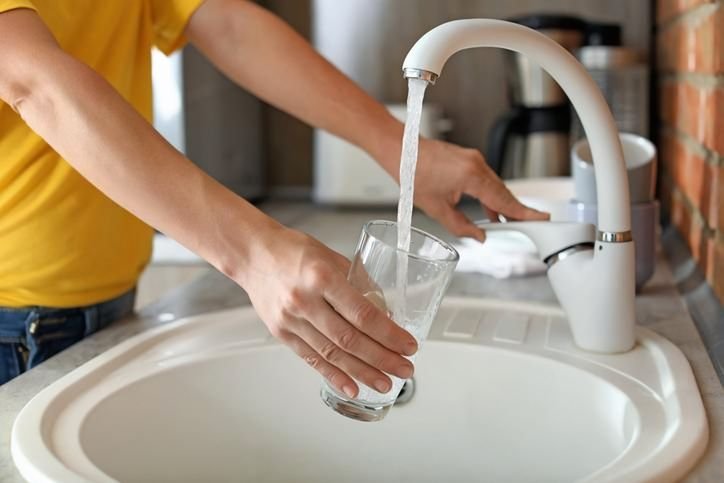
A man fills a glass with tap water in this photo. Yonhap
Three in four Seoul residents now drink the city’s tap water, which is sold under the brand name Arisu, and more of them are drinking it away from home, a city survey showed Thursday.
In the Seoul Metropolitan Government’s annual survey, 75.5 percent of residents said they drank tap water this year. That was up from 75 percent last year and 69.6 percent in 2024, when the city started using its own measure. The figure adds the 53.9 percent who drink tap water at home to the 21.6 percent who drink it only outside the home.
The city created the measure because standards for calculating tap water drinking rates vary by country and institution.
Under the American Water Works Association’s criteria, Seoul’s rate was 78.2 percent, 13.2 percentage points above the U.S. figure of 65 percent in 2024. Paris counts people who drink tap water either alone or along with other water. By that method, Seoul’s rate was 82.5 percent, compared with 81 percent for the French capital in 2025.
The city said the rise came mainly from more people drinking tap water outdoors. The share of residents who drank tap water outside their homes climbed to 56.5 percent from 51.6 percent in 2024. Parks and sports facilities were the most common places, at 32.8 percent, followed by streets and walking trails at 21.5 percent. Some 54.5 percent said they had used the public Arisu drinking fountains in such places.
Overall satisfaction with tap water rose above 80 percent for the first time, to 80.2 percent. The share of residents who said they could drink tap water without worry grew to 52.1 percent from 48.3 percent.
Pollster Hankook Research conducted the online survey of 1,000 residents aged 18 and older from Aug. 13 to 19.
“It is a meaningful change that the tap water drinking rate has risen for two consecutive years and satisfaction has exceeded 80 percent for the first time,” said the head of the Seoul Arisu Headquarters, the city’s waterworks agency. The official added that the agency will expand water quality testing and its information services.
This article was published with the assistance of generative AI and edited by The Korea Times.