 0
0
 0
0 The Northern Regional Director of the National Commission for Civic Education (NCCE), Aliyu Mohammed, has called on the youth to play an active role in the fight against corruption by reporting corrupt practices to the appropriate authorities for investigation and prosecution.
He said young people were among those most affected by corruption, as it limited their access to quality education, employment opportunities, and essential social services.
He said the country has been losing sums of money through corrupt practices that could otherwise be used to improve the living standards of citizens and accelerate national development.
According to him, corruption has far-reaching consequences, affecting not only the economy but also eroding public trust in state institutions.
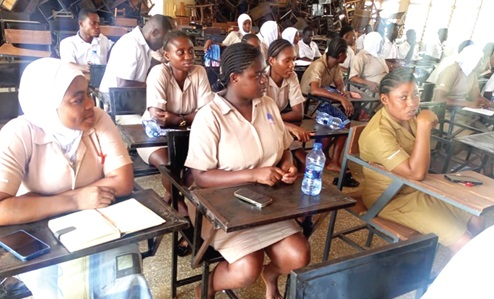
Mr Mohammed made the call during a civic education club engagement and symposium held at the Tamale School of Hygiene.
Organised by the NCCE under the Participation, Accountability, and Integrity for a Resilient Democracy (PAIReD) project, the event sought to sensitise students to corruption to enable them to actively participate in fighting against the menace.
Funded by the German Development Cooperation (GIZ) and the European Union (EU), the project also provided students with the opportunity to elect executives for the civic education club to serve for one academic year.
Youth role
Mr. Mohammed emphasised the critical role of the youth in combating corruption, urging them to be vigilant, courageous, and proactive in exposing corrupt practices.
“Fighting corruption is a shared responsibility that requires collective action from all segments of society,” he stressed.
He encouraged citizens to utilise existing reporting channels and assured them that their efforts could significantly promote transparency and accountability.
He also called on civil society organisations, the media, and community leaders to support efforts aimed at eradicating corruption and safeguarding the nation’s future.
Enforcement
For his part, an investigator at the Commission on Human Rights and Administrative Justice (CHRAJ), Abdul-Wahab Abdul-Wasiu, called for the enforcement of anti-corruption laws without interference.
He stressed the need to adequately resource enforcement agencies, noting that effective anti-corruption efforts depended largely on logistics and financial support.
“We must support enforcement institutions with the necessary equipment and funding to enable them to effectively fight corruption,” he said.


