


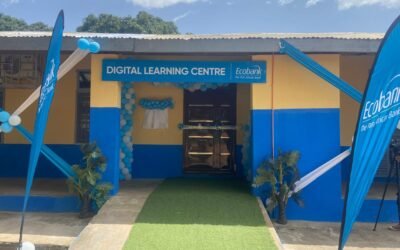






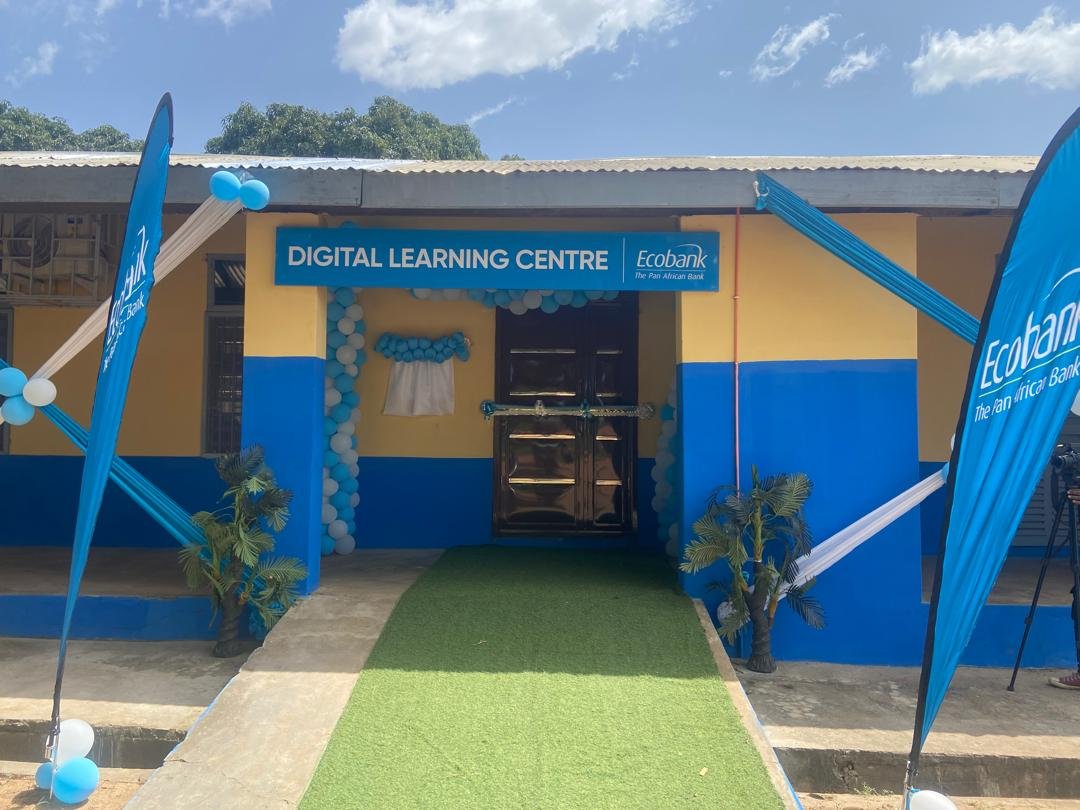
Ecobank commissions digital learning centre for Wa School for the Blind
 0
0  0
0 By Freda Mwin
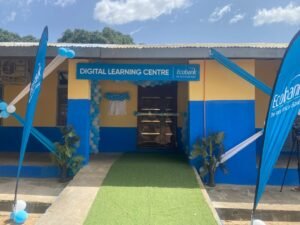
Wa (UW/R), Oct. 18, GNA – Ecobank Ghana has commissioned a digital learning centre for the Wa Methodist School for the Blind to equip students with essential digital skills and improve access to digital learning resources.
The facility, fitted with specialised assistive technology, is expected to enable visually impaired students to conduct research, explore coding, and participate more independently in technology-driven learning.
Equipment installed at the centre includes 26 desktop computers, NonVisual Desktop Access (NVDA) screen-reading software, built-in magnification tools, 15 Braille note-takers and Braille displays.
Other items provided are specialised scanners for converting printed materials into accessible digital formats, headsets, speakers, Microsoft 365 software and high-speed internet connectivity.
The project formed part of activities marking Ecobank Day 2026, celebrated on the theme: “Building Tomorrow’s Skills Today,” across the 34 African countries where the bank operates.
It also crowned the bank’s three-year “Transforming Africa through Education” programme and activities commemorating Ecobank Group’s 40th anniversary.
Mrs Abena Osei-Poku, Managing Director of Ecobank Ghana, in a speech read on her behalf during the commissioning ceremony in Wa, said the initiative demonstrated the bank’s commitment to promoting inclusive education and expanding opportunities for young people through technology.
She said every child deserved the opportunity to benefit from technological advancement, regardless of circumstance.
Mrs Osei-Poku noted that technology was transforming education, communication and problem-solving, making it imperative for young people to acquire the knowledge and practical skills needed to participate effectively in the digital economy.
She said Ecobank affiliates across Africa had, over the past three years, constructed and refurbished 66 digital learning centres, benefiting more than 46,000 children and young people.
“Here in Ghana, we are proud to have contributed to the continental impact by refurbishing and equipping laboratories in selected underserved schools and transforming them into modern digital learning centres.
“The commissioning of this project here at the Methodist School for the Blind brings to seven the total number of digital learning centres established by Ecobank Ghana between 2003 and now,” Mrs Osei-Poku said.
She urged the school’s management to take ownership of the facility, safeguard the equipment, and ensure equitable access for all students.
Rev Monica Achana, Headmistress of the Wa Methodist School for the Blind, expressed gratitude to Ecobank Ghana for the intervention, saying it would empower students to participate meaningfully in an increasingly digital world.
“Ecobank Ghana heard our cry and answered us. You have not just built walls and fixed computers; you have built hope, confidence and a future for these special needs children,” she said.
Rev Achana said the facility would also help students prepare for the Basic Education Certificate Examination (BECE) and the West African Senior School Certificate Examination (WASSCE) with greater confidence.
Rev Thomas Acqaah Baiden, representing the Bishop of the Wa-Bolgatanga Diocese of the Methodist Church Ghana, said the initiative reflected the biblical principles of compassion and service to humanity.
He noted that the bank’s intervention demonstrated support for vulnerable groups and aligned with the Christian principle of inclusion.
Mr Sebastian Amah, Wa Municipal Special Education Coordinator, assured stakeholders that measures would be put in place to ensure the sustainability and effective utilisation of the facility.
He expressed confidence that the students would make good use of the centre to develop their digital skills and talents.
GNA
Edited by Lydia Kukua Asamoah