











Korean ‘haenyeo’ diver honored by UN for work in food systems, rural life
 0
0  0
0 
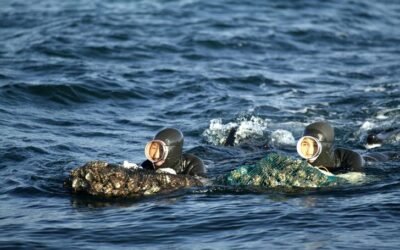
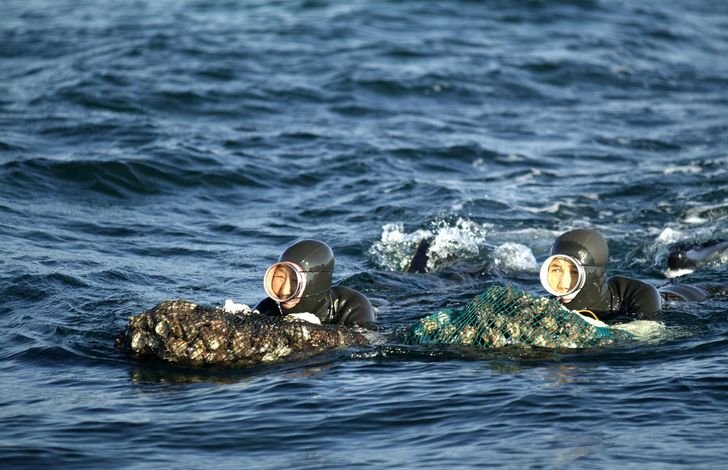
Jeju “haenyeo” divers harvest abalone from the ocean. The tradition gained fresh global recognition after a veteran diver was named to the UN Food and Agriculture Organization’s list of 100 inspiring women leaders. Courtesy of Jeju Tourism Organization
When Sung Jung-hee slips into the cold waters off Korea’s eastern coast, she wears no oxygen tank — just a mask, a weight belt and four decades of practical instincts from making her living harvesting the ocean floor by hand.
That lifetime of hard labor and leadership earned international recognition earlier this week when the Food and Agriculture Organization of the United Nations named Sung one of 100 women honored globally for their contributions to food systems and rural life.
Timed to mark the International Year of the Woman Farmer, the distinction recognizes 100 visionary leaders, scientists and community advocates driving sustainable change across global food and maritime networks. Selected from nearly 600 nominees submitted by member nations, Sung is the only honoree from Korea.
Sung also serves as head of the Guryongpo fishing community and president of the Gyeongsangbuk-do Haenyeo Association. Beyond her daily dives, she has spent years improving working conditions, expanding welfare support for fellow divers and elevating the public profile of women in coastal industries.
Her selection places a global spotlight on “haenyeo” — Korea’s famed women free divers whose lineage stretches back centuries.
Originating primarily on Jeju Island before migrating across the peninsula’s coasts, the haenyeo established a female-dominated tradition in a patriarchal society. Holding their breath for up to two minutes at depths reaching 30 feet, these women harvest sea cucumbers, abalone, sea urchins and kelp using specialized hand tools and traditional floating buoys called “tewak.”
Working in structured communal collectives, the haenyeo pass down ancestral diving rules, tide reading and underwater survival skills through generational mentorship. Long before modern environmental sustainability entered the public discourse, haenyeo maintained strict ecological rules establishing seasonal harvesting bans, prohibiting artificial breathing equipment and enforcing size limits to ensure marine stocks continuously replenish.
In recognition of this ecofriendly aquatic heritage, UNESCO inscribed the culture of Jeju haenyeo onto its Representative List of the Intangible Cultural Heritage of Humanity.
In recent decades, however, the tradition has faced existential threats.
Warming ocean temperatures, marine habitat loss and an aging demographic have led to a steady decline in active divers. Despite these challenges, leaders like Sung have helped transform what was once considered a grueling trade of necessity into a celebrated model of marine stewardship.
“Haenyeo are ecofriendly ocean managers who preserve ecological value while utilizing the sea,” said Seo Jin-hee, director general for international cooperation at the Ministry of Oceans and Fisheries. “It is deeply meaningful that the traditional knowledge and leadership of our haenyeo, who have safeguarded the field for over 40 years, are highly recognized by the international community, including the UN and FAO.”
This article was published with the assistance of generative AI and edited by The Korea Times.