











Address youth unemployment to save democracy – Expert urges government
 0
0  0
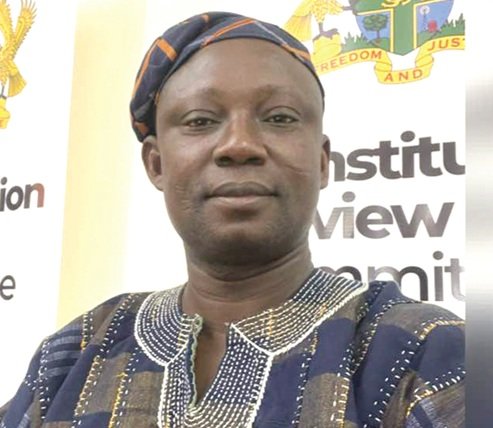
0 Government must urgently address youth unemployment, strengthen anti-corruption measures and deepen citizen participation in governance to restore public confidence in democracy, a governance expert, Kwaku Antwi-Boasiako, has said.
He said growing citizen apathy, driven by unemployment, corruption, economic hardship and declining trust in public institutions, posed a significant threat to Ghana’s democratic future.
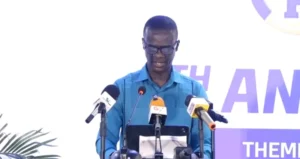
Speaking at a public forum organised by the Ghana Academy of Arts and Sciences (GAAS) in Accra last Wednesday, Mr Antwi-Boasiako said democracy often weakened not through coups or uprisings but through the gradual withdrawal of citizens who no longer believed the system worked for them.
He was speaking on the topic: “Democracy Without Dividends: Why Citizen Apathy Threatens Ghana’s Democratic Future”.
Mr Antwi-Boasiako described youth unemployment as a national emergency and urged the government to prioritise measures that would create sustainable jobs for young people.
He called for stronger alignment between education and industry needs, increased support for private sector-led job creation, and greater investment in agribusiness and innovation.
Warning signs
Mr Antwi-Boasiako said although Ghana continued to enjoy recognition as a stable democracy, many citizens were becoming increasingly disillusioned because democracy had not translated into meaningful improvements in their lives.
He warned that a growing perception that election outcomes did not result in tangible change could fuel voter apathy, weaken accountability and increase susceptibility to vote-buying.
He added that declining confidence in democratic institutions could make some citizens more receptive to authoritarian alternatives.
Drawing lessons from developments in the Middle East, Sri Lanka and parts of Latin America, he said economic hardship, corruption and inequality had contributed to democratic instability in several countries.
He cautioned that Ghana was exhibiting similar warning signs, including economic frustration, youth disengagement, perceived corruption and declining trust in public institutions.
“If these issues remain unresolved, Ghana’s democracy will not be immune from the experiences of other countries,” he warned.
Mr Antwi-Boasiako said Ghana faced a critical choice between sustaining a democracy that merely existed and building one that delivered meaningful benefits to citizens.
He stressed that democratic legitimacy depended on citizens experiencing tangible improvements in their living conditions.
“If democracy does not deliver for the ordinary Ghanaian, the ordinary Ghanaian will not defend democracy, and when citizens stop defending democracy, history shows us exactly what comes next,” he said.
Participation
Mr Antwi-Boasiako further advocated deeper decentralisation to enable local authorities to manage more resources and deliver development directly to communities.
He also called for greater citizen involvement in governance through participatory budgeting, regular town hall meetings and permanent engagement platforms.
According to him, democracy would remain vulnerable if citizens failed to see improvements in their daily lives through better services, jobs and infrastructure.
“Democracy is not just a system of elections and institutions; it is a promise.
When citizens stop seeing the benefits of that promise, they withdraw, and when citizens withdraw, democracy weakens,” he stated.