





USTR points to Korea’s steel industry as he defends Trump’s tariff policy
 0
0  0
0 
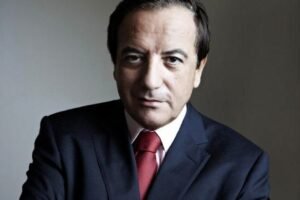
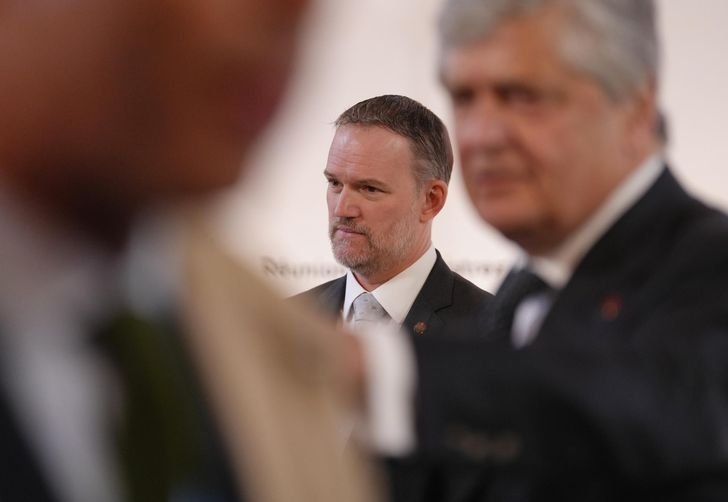
U.S. Trade Representative Jamieson Greer arrives for the G7 trade meeting in Paris, May 6. AP-Yonhap
WASHINGTON — U.S. Trade Representative (USTR) Jamieson Greer cited Korea’s rise as a “steelmaking powerhouse” in a recent article defending President Donald Trump’s tariff policy and criticizing foreign government intervention.
Greer released the article in the June issue of the International Monetary Fund’s Finance and Development Magazine on Friday, as his office is carrying out investigations into Korea, China, Japan and other trading partners to uncover “unfair trade practices,” which could result in new tariffs.
“How can it be that the United States, with the most bountiful cropland in the world, runs a trade deficit in agriculture? How can it be that Korea — with limited energy resources, no coal, and no iron ore — became a steelmaking powerhouse?” he wrote in the article.
“Economic interventions by countries have rigged the global economy in ways that persistently put some countries in deficit and others in surplus. This is not healthy for the countries in either category,” he said.
The top trade official made the remarks as he questioned free trade principles and reiterated Trump’s drive for a new international economic order predicated on what he calls “balance, reciprocity, fairness, and resilience.”
“The traditional case for unrestricted free trade made by economists was grounded in the principle of comparative advantage. It is absolutely true and nontrivial that specialization brings efficiency,” he said.
“However, contemporary economics must account for a world where scale economies and government intervention combine to create structural trade imbalances divorced from comparative advantage.”
The USTR defended Trump’s tariff policy, stressing the “salutary effects” of the levies.
“The United States is using tariffs and agreements on reciprocal trade to encourage inbound productive investment, increase incentives for domestic production, and open markets for U.S. exports,” he said.
In a CNBC interview on Tuesday, Greer said that the Trump administration will release results of its trade investigations into trading partners “over the next few weeks.”
The investigations have been in progress under Section 301 of the 1974 Trade Act to uncover “unfair” trade practices related to “structural” excess capacity and production, and to determine whether the countries have taken steps to ban imports produced with forced labor.
The U.S. has been carrying out trade investigations to replace country-specific “reciprocal” tariffs that were struck down by the Supreme Court in February.