







Why do celebrities keep driving drunk despite having so much to lose?
 0
 0

gettyimagesbank
Click here for more articles by Kormedi.com.
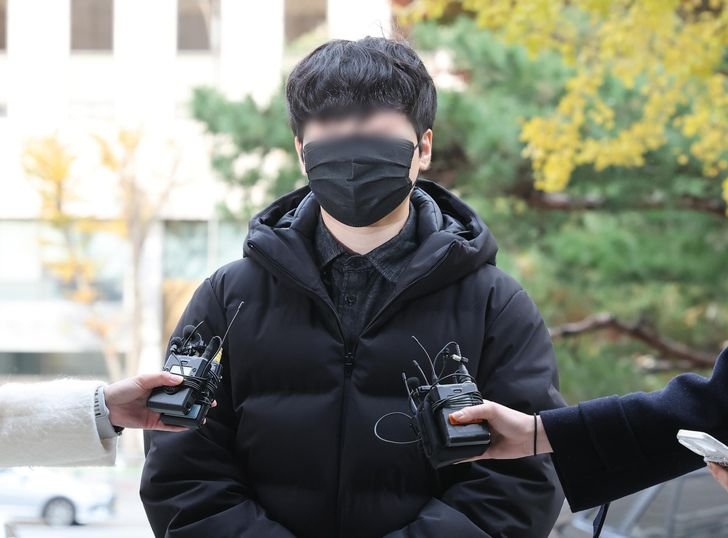
They can afford chauffeurs and have people willing to help them. An arrest for drunk driving can cost them their public image and force them to suspend their careers. Yet news of celebrities driving under the influence continues to surface, with some getting behind the wheel again even after being punished. Why do they keep making the same choice despite having so much to lose?
The question has long been raised overseas, too. CNN’s former entertainment program “Showbiz Tonight” once examined cases involving Lindsay Lohan, Nicole Richie and Paris Hilton, asking, “Why don’t they hire a driver when they have the money and the means?” The program looked beyond the cost, pointing to attitudes shaped by special treatment, environments in which risky behavior goes unchecked and persistent drinking problems.
Paris Hilton explained her drunk driving case in a 2007 interview on CNN’s “Larry King Live.” She said she had had one drink and was on her way to a restaurant a few blocks away. She acknowledged that she should not have been driving.
Host Larry King asked whether she could always afford to have a driver. Hilton said she could, and when asked whether she liked driving, she said she did.
In other words, she was not in a situation in which a lack of money prevented her from using alternative transportation. However, her answer that she enjoyed driving alone does not fully explain why she drove under the influence on that occasion.
Drew Pinsky, an addiction specialist who appeared on CNN’s “Showbiz Tonight,” suggested that a sense of being exceptional could lead people to believe they are above the law. An environment in which people can easily get what they want and face little resistance from those around them may also affect how they perceive risk, he said.
The program also questioned the role of people around celebrities and businesses. It examined whether acquaintances and associates who benefit from their relationships with stars, as well as establishments that gain publicity from celebrity visits, do enough to intervene when they engage in dangerous behavior. Having many people willing to help is not the same as having someone who firmly stops them, it noted.
These, however, were interpretations offered by experts and people interviewed on the program. They do not establish that every celebrity involved in drunk driving acted out of a sense of entitlement. Fame alone should not be equated with a particular personality trait or motive for offending.
Privacy concerns
Another explanation is that some celebrities simply dislike having someone else drive them.
People magazine citing an anonymous source in March 2026, who said Tiger Woods did not hire a chauffeur because he valued his privacy. According to the source, Woods did not want others watching or knowing what he was doing and believed he was fine driving himself.
Although this was not a reason Woods personally disclosed, the report highlighted how concerns about privacy may discourage some celebrities from using chauffeurs.
The belief that they are “fine to drive themselves,” seen in accounts involving celebrities, is also a subject of research on drunk driving among ordinary motorists.
In an experiment comparing 20 drivers with previous drunk driving convictions and 20 without, researchers at the University of Kentucky found that those with prior convictions felt less intoxicated after drinking and were more willing to drive.
Although the study did not examine celebrities, it illustrates the limitations of trusting one’s own perception of intoxication.
Inconveniences for ordinary drivers
Surveys of ordinary motorists reveal more specific inconveniences associated with getting home after drinking.
In a survey of 1,518 people attending safety education courses in March 2025, the Korea Road Traffic Authority found that 20.7 percent cited a lack of designated drivers or public transportation as the most common reason for drunk driving. Another 7.8 percent said leaving their cars behind would be inconvenient.
A study by the Traffic Injury Research Foundation in Canada, which interviewed 40 women, identified other obstacles including long waits for taxis, drivers refusing trips to distant destinations and the difficulty of retrieving cars for work the following day. Some participants also said they avoided taxis because they worried others might realize they were drunk.
But examining the choices people make when getting home after drinking brings the question back to before they started drinking. Why did they bring their cars in the first place, knowing they would be drinking? Did they plan to call a designated driver but change their minds? Did they initially intend not to drink, only to end up doing so? Or did they set out without deciding how they would get home?
The clues to breaking the cycle of repeat offenses may lie not only in the final moment when someone takes the wheel, but also in the very first moment they pick up their car keys.
This article from Kormedi.com, Korea’s top health care and medical portal, is translated by a generative AI system and edited by The Korea Times.