









Abebe Bikila: Ethiopia’s legendary marathoner
 0
 0

Recently, I had the honor of meeting Hwang Young-cho, the Korean Olympian best known for winning the gold medal in marathon at the 1992 Summer Olympics in Barcelona, at a National Day of Catalonia event held in Seoul Sept. 11. Hwang has a monument commemorating his victory standing near Barcelona’s Olympic Stadium, a site frequently visited by Korean travelers. Catalonia, an autonomous community in northeastern Spain, comprises four provinces: Barcelona, which also serves as the regional capital, Girona, Lleida and Tarragona.
Hwang’s presence stirred a memory of another legendary marathoner, Ethiopia’s Abebe Bikila, whose athletic legacy is intertwined with both Ethiopia and Korea. As a young member of Ethiopia’s Imperial Bodyguard, Bikila served in the Korean Peninsula during the 1950-53 Korean War, as part of the Ethiopian forces deployed under the United Nations Command. He was associated with the elite Kagnew Battalion, which fought alongside U.N. forces in defense of South Korea. This connection adds another remarkable dimension to the life of an athlete whose achievements would later inspire generations around the world.
On Sept. 10, 1960, at the Arch of Constantine in Rome, the world witnessed Bikila cross the finish line in a world-record time of 2 hours, 15 minutes and 16.2 seconds, becoming the first African to win an Olympic marathon. He ran the entire 26.2-mile course barefoot.
Four years later, at the Tokyo Olympics, he broke his own world record while wearing shoes, becoming the first athlete to defend an Olympic marathon title. Even more astonishingly, he accomplished this feat just 40 days after undergoing an appendectomy.
Yet Bikila’s story is about more than running. In 1969, a car accident involving a Volkswagen Beetle reportedly presented to him by Emperor Haile Selassie left him paralyzed due to severe spinal injuries. For an athlete whose life had been defined by extraordinary physical endurance, this might have seemed the end of his journey. Instead of giving up, he found new ways to remain active in competitive sports. Unable to run, he turned to sports for athletes with disabilities, including archery, table tennis and wheelchair racing. He also competed in sleigh riding, demonstrating that his competitive spirit remained undiminished.
He had run barefoot when shoes were expected, won Olympic gold after surgery and continued competing after a devastating accident. His greatest victory, however, was not a medal or a record but his refusal to let adversity define the limits of his life. His outlook is reflected in words attributed to him by the Olympic Museum: “I have accepted these victories as I accept this tragedy. I must embrace both circumstances as facts of life and find happiness.” Bikila’s extraordinary achievements inspired generations of runners and athletes, demonsttrating that determination, courage and self-belief can overcome even the greatest odds.
His place in sporting history was assured by his Olympic triumphs. Yet his life legacy lies in the strength of the human spirit he showed in the face of adversity.
As I savored the distinctive flavor of Ethiopian Yirgacheffe coffee at a café beside the Ethiopian Korean War Memorial along Gongji Stream in Chuncheon, Gangwon Province — where the 2026 Chuncheon Marathon took place — I found myself reflecting on the interweaving of individual life narrative with ties between Ethiopia and Korea. The coffee’s aroma was like the conduit that connected the past with the future of hope.
From Bikila’s resilience to today’s runners, we are reminded that while we cannot always choose our obstacles, we can choose how we overcome them.
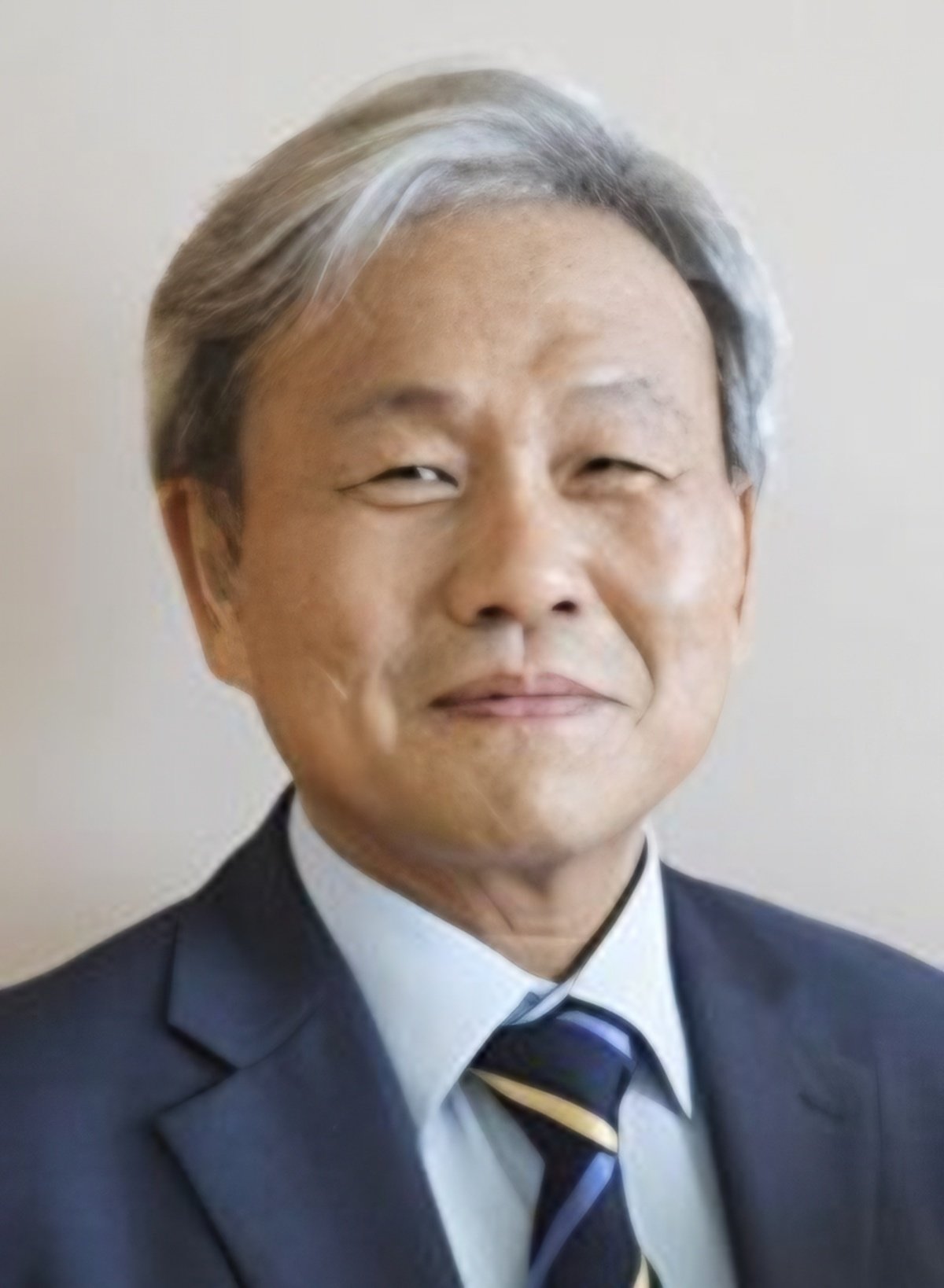
Choe Chong-dae (choecd@naver.com) is a guest columnist of The Korea Times. He is a recipient of Sweden’s Royal Order of the Polar Star, one of the nation’s most distinguished honors.