











Why do restaurants keep reusing leftover side dishes?
 0
 0

gettyimagesbank
Click here for more articles by Kormedi.com.
Reusing food left behind by customers poses serious hygiene risks and can spread diseases, including influenza and hepatitis. Food that other diners have stirred with their chopsticks may be contaminated with saliva.
The risk is easy to understand if you think of the respiratory droplets that became a familiar concern during the COVID-19 pandemic. Restaurants caught doing this can face administrative sanctions, including business suspensions, as well as criminal penalties.
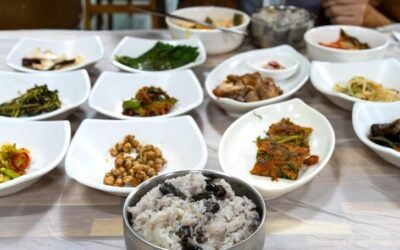
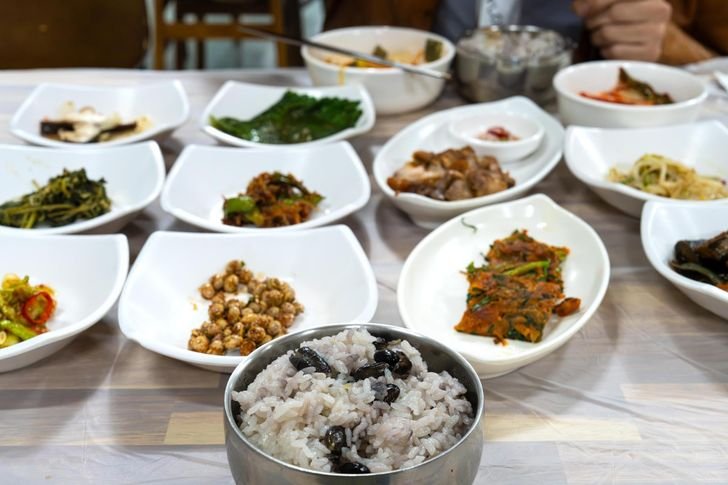
Another restaurant has been caught reusing food left behind by customers. A district office in Seoul has begun administrative proceedings against a restaurant found to have violated the Food Sanitation Act. The restaurant reportedly put side dishes left uneaten by customers back into storage containers in the kitchen before serving them to other diners. Under the Food Sanitation Act, food service operators are prohibited from reusing, cooking or storing food left behind by customers. Violations can result in administrative sanctions and criminal penalties.
Influenza is currently spreading widely. People with weakened immune systems and older adults may become ill enough to require hospitalization and treatment. If the flu develops into pneumonia, the risk of death also increases.
More people are wearing masks these days, a lesson learned from the COVID-19 pandemic. Against this backdrop, reusing food contaminated with someone else’s saliva is simply unacceptable. In trying to save money on ingredients, the restaurant in question could end up facing a business suspension and criminal penalties.
Eating food contaminated with another person’s saliva can also lead to infection with Helicobacter pylori, a bacterium classified as a Group 1 carcinogen by the World Health Organization’s International Agency for Research on Cancer. The bacterium increases the risk of stomach cancer.
In the past, when several people gathered around a single pot of stew and helped themselves with their own spoons, stomach cancer was the most common cancer in Korea. Its incidence has declined in recent years. Food contaminated with another person’s saliva can also transmit hepatitis A. This is one reason the old custom of sharing drinking glasses has disappeared.
These days, many restaurants provide individual plates for diners to serve themselves. The same practice should be followed at home. A husband who works in sales and regularly eats with large numbers of people could put his family’s health at risk if he does not use an individual plate at home. Some restaurants may be tempted to reuse side dishes to cut costs as food prices continue to soar.
Measures are needed, such as setting up separate areas for storing side dishes. At home, serving side dishes onto individual plates is both more hygienic and helps reduce waste. Having everyone serve themselves rice directly from the rice cooker can also significantly reduce food waste.
This article from Kormedi.com, Korea’s top health care and medical portal, is translated by a generative AI system and edited by The Korea Times.