














Red, orange, yellow or green? How bell pepper colors reveal different health benefits
 0
 0

gettyimagesbank
Click here for more articles by Kormedi.com.
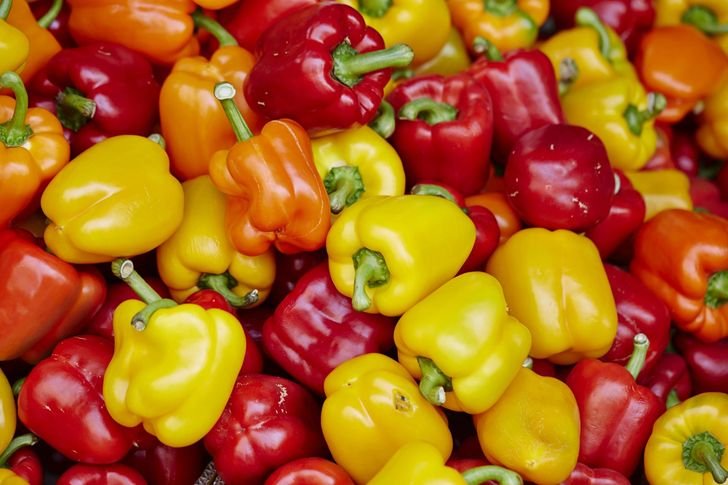
Bell peppers do more than add vibrant colors and a satisfying crunch to dishes such as salads and japchae, a Korean stir-fried glass noodle dish. Their colors also offer clues to the nutrients they contain, with each variety providing different nutritional benefits.
From vitamin A precursors that support vision in dim light to compounds that help protect the retina and vitamin C that improves iron absorption, the nutritional profiles of bell peppers vary depending on their color.
So which color should you choose, and how can you get the most out of its nutrients?
Red bell peppers: Beta-carotene supports vision in low light
Red bell peppers are rich in beta-carotene, a pigment that the body can convert into vitamin A.
According to comparative data released by Korea’s Rural Development Administration, red bell peppers had the highest beta-carotene content among the four colors examined.
Beta-carotene is a naturally occurring pigment responsible for the yellow and orange hues of many fruits and vegetables. Beyond giving produce its color, some of the beta-carotene consumed through food is converted into vitamin A in the small intestine.
Vitamin A plays an essential role in helping the retina detect low levels of light. A deficiency can make it difficult for the eyes to adjust when moving from a brightly lit environment into darkness, reducing the ability to distinguish objects and their outlines.
The vitamin also helps maintain immune function and supports the normal growth and function of skin cells and the mucous membranes lining the nose and mouth.
Because beta-carotene is fat-soluble, consuming it with foods containing fat can improve its absorption in the small intestine.
Stir-frying red bell peppers in vegetable oil or adding a small amount of oil-based dressing when eating them raw can help the body absorb the nutrient more effectively.
Orange bell peppers: Zeaxanthin helps protect the retina
Orange bell peppers contain zeaxanthin, a carotenoid that contributes to the macular pigment in the eye.
The macula, located near the center of the retina, is responsible for sharp central vision, allowing people to distinguish details such as letters and faces.
Zeaxanthin and lutein accumulate in the macula to form macular pigment, which absorbs some of the blue light entering the eye and provides antioxidant protection to retinal cells.
Research conducted in South Korea has also confirmed the presence of zeaxanthin in orange bell peppers.
Researchers at Seoul National University compared orange and yellow bell pepper varieties to investigate the factors responsible for differences in fruit color.
According to findings published in the international scientific journal The Plant Journal, the orange variety contained higher levels of zeaxanthin and total carotenoids than the yellow variety.
Because the human body cannot produce lutein or zeaxanthin on its own, obtaining these nutrients regularly through food is important for maintaining eye health.
The Macular Society, a British organization supporting people affected by macular conditions, identifies corn and orange bell peppers among dietary sources of zeaxanthin.
Adding orange bell peppers to meals can therefore be a practical way to increase the intake of nutrients associated with retinal health.
Yellow and green bell peppers: Vitamin C boosts iron absorption
Yellow and green bell peppers are particularly useful sources of vitamin C, a nutrient essential for collagen production and iron absorption.
According to data from the Rural Development Administration, 100 grams of raw yellow bell peppers contain approximately 111 milligrams of vitamin C, while the same amount of green bell peppers contains about 162 milligrams.
Those amounts represent roughly 1.1 times and 1.6 times, respectively, the recommended daily vitamin C intake of 100 milligrams for adults in South Korea.
Vitamin C plays an important role in helping the body absorb iron from plant-based foods such as beans and tofu.
Iron from plant sources is generally less readily absorbed than iron found in meat and other animal products. Vitamin C helps convert plant-based iron into a form that the body can absorb more easily.
Pairing bell peppers with beans, tofu or other plant-based sources of iron during the same meal can therefore improve iron absorption.
Vitamin C is also necessary for producing collagen, a structural protein that helps support the skin, gums and other tissues.
However, cooking methods can significantly affect how much vitamin C remains in bell peppers.
Because vitamin C is water-soluble and sensitive to heat, prolonged boiling can reduce its concentration.
To preserve more of the nutrient, bell peppers can be washed thoroughly and eaten raw. If cooking is preferred, shorter cooking times are generally recommended.
This article from Kormedi.com, Korea’s top health care and medical portal, is translated by a generative AI system and edited by The Korea Times.