







University of Seoul Korean history professor elected to ICOMOS board
 0
 0

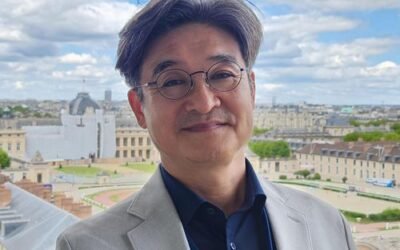
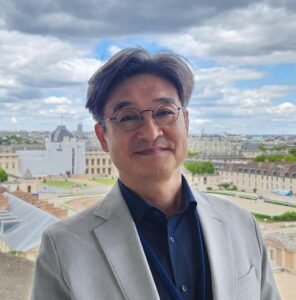
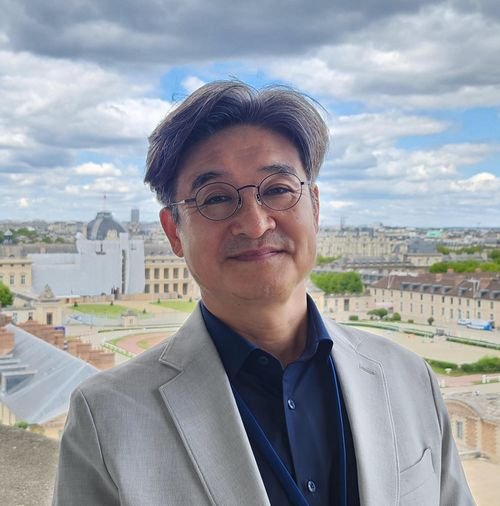
Shin Hee-kweon, a professor in the Department of Korean History at the University of Seoul / Courtesy of University of Seoul
Shin Hee-kweon, a professor in the Department of Korean History at the University of Seoul, has been elected to the board of the International Council on Monuments and Sites (ICOMOS), the university said.
ICOMOS elected a new board at its 22nd General Assembly, held in Kuching, Malaysia, from Oct. 17-24.
Shin was elected alongside experts from 11 other countries, including China, Japan, the Philippines, Nigeria and France.
The assembly also elected key officers, including the president, secretary general and vice presidents.
Shin is a prominent Korean cultural heritage expert. He currently serves as secretary general of ICOMOS Korea.
While working for the Cultural Heritage Administration, now known as the Korea Heritage Service, he served as director of the Changdeok Palace Management Office and head of the Conservation Science Division at the National Palace Museum of Korea.
Shin has led excavation and restoration projects involving major Korean cultural heritage sites, including Sungnyemun Gate, Pungnaptoseong Earthen Fortification and Hanyangdoseong (Seoul City Wall).
He has also been active in the World Heritage field, attending the 48th session of the UNESCO World Heritage Committee in Busan in July.
The university said his election to the ICOMOS board represents international recognition of his contributions to the field of World Heritage.
Founded in 1965, ICOMOS is an international nongovernmental organization dedicated to the conservation of historic monuments and cultural heritage sites around the world.
Since the adoption of the Convention Concerning the Protection of the World Cultural and Natural Heritage in 1972, it has served as one of UNESCO’s principal advisory bodies.
ICOMOS evaluates nominations for World Heritage inscription, monitors the state of conservation of listed properties and provides expert advice on the implementation of the World Heritage Convention.
Through these activities, it helps assess whether cultural heritage sites meet the requirements for Outstanding Universal Value, a key criterion for inscription on the World Heritage List.