





Adopt anti-xenophobia resolution now – Majority Chief Whip to Pan-African Parliament
 0
0  0
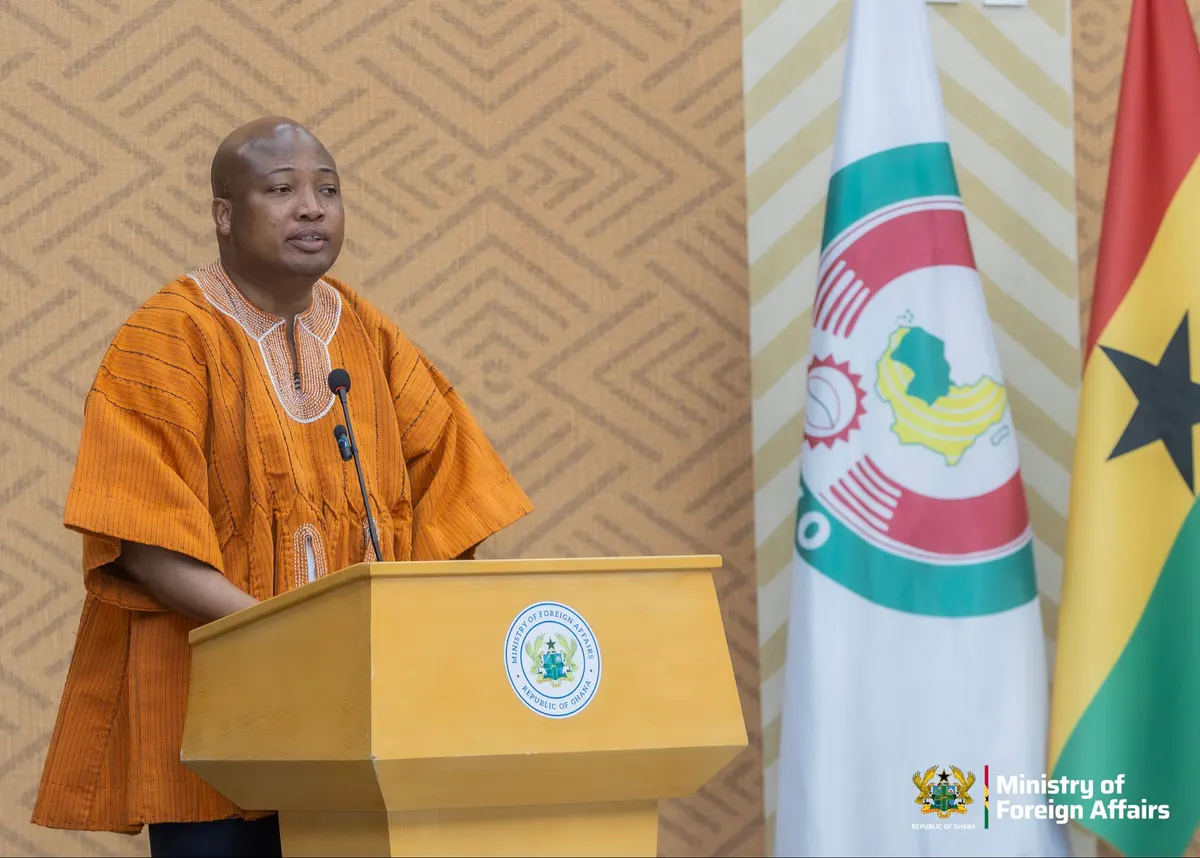
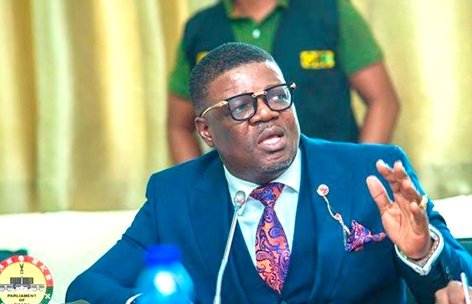
0 The Majority Chief Whip, Rockson-Nelson Etse Dafeamekpor, has called on the Pan-African Parliament to adopt a resolution condemning xenophobic violence against other African nationals in South Africa.
He also urged authorities in South Africa to conduct immediate investigations and prosecute individuals and groups involved in assaults, intimidation, looting and hate-driven vigilantism targeting foreign nationals.
Delivering a statement on the xenophobic crisis in South Africa on the floor of Parliament last Tuesday, Mr Dafeamekpor further advocated stronger protection mechanisms for African migrants, traders, refugees, students and workers living in member states.
According to him, Africa could not remain silent while anti-African violence evolved into organised intimidation and lawlessness.
Continental responsibility
Mr Dafeamekpor said his statement was not intended to inflame tensions against the people of South Africa, many of whom had publicly condemned the attacks.
Rather, he explained, it was a call for urgency, accountability and continental responsibility in addressing a growing threat to African unity.
The National Democratic Congress Member of Parliament (MP) for South Dayi said xenophobia undermined Africa’s collective moral voice on global justice, human rights and international solidarity.
“It weakens the very spirit of African unity on which this Parliament and the African Union were founded,” he stated.
Recent attacks
The Majority Chief Whip expressed concern about recent incidents in Durban and KwaZulu-Natal, where African migrants and foreign nationals were reportedly subjected to harassment and intimidation.
He cited reports and viral videos showing groups stopping individuals in public places, demanding identity documents, threatening traders and forcing some migrant-owned businesses to shut down.
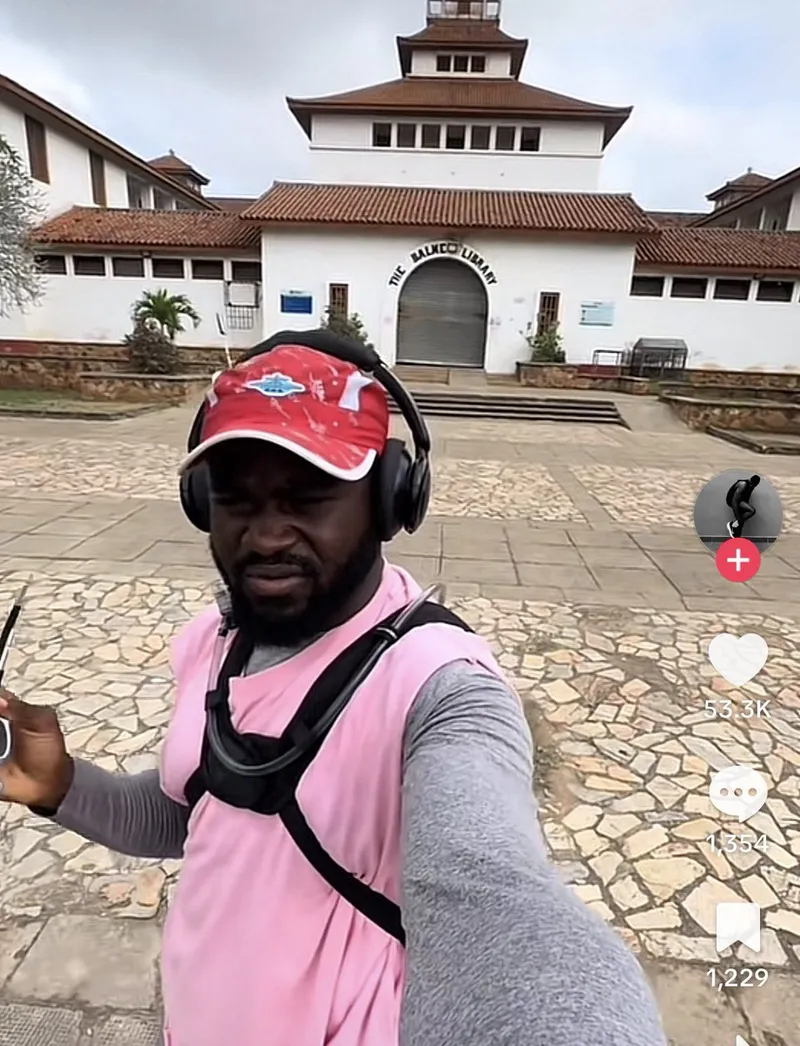
Among those affected, he said, was a Ghanaian national lawfully residing in South Africa who was reportedly confronted and told to “fix his own country”.
“This is unacceptable. It is unlawful. And above all, it is profoundly un-African,” Mr Dafeamekpor stressed.
He added that no private citizen had the authority to enforce immigration laws and no mob had the constitutional right to determine who belonged in Africa.
Moral contradiction
Mr Dafeamekpor said South Africa had earned international respect for speaking out against injustice and defending human rights globally.
However, he argued that xenophobic violence against fellow Africans weakened that moral authority.
He recalled the support many African countries, including Ghana, extended to South Africa during the anti-apartheid struggle through diplomatic, financial and moral assistance.
The MP also highlighted Ghana’s cordial relations with South Africa and the successful operations of South African businesses in the country.
He said Ghana had consistently demonstrated friendship, openness and commitment to the Pan-African ideal of mutual economic cooperation.
“That is the Africa we believe in — an Africa where economic cooperation replaces suspicion, where nationality is not treated as a crime, and where prosperity is shared, not weaponised,” he said.