







Seoul to curb downtown marathons after road closures disrupt 190 bus routes
 0
 0

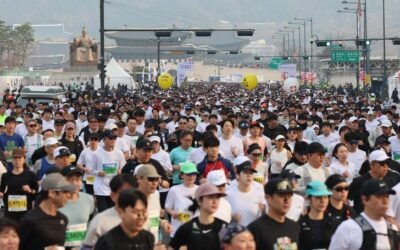
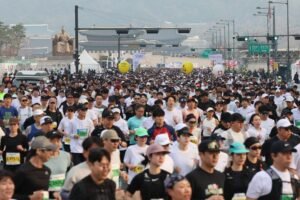
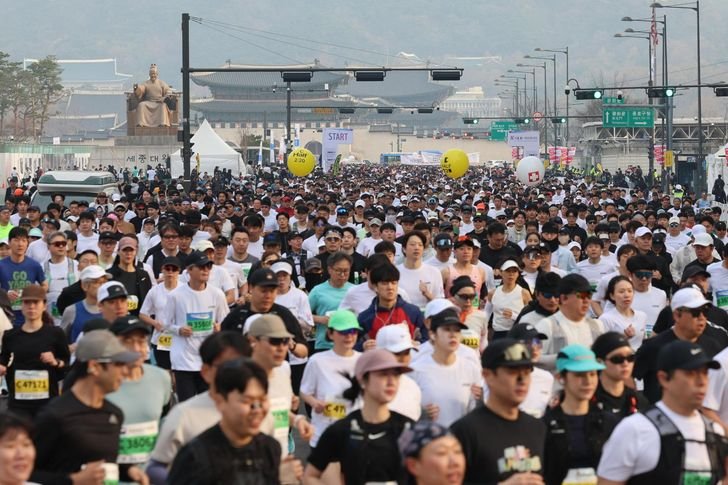
Runners participate in the Seoul K-Marathon at Gwanghwamun Square in central Seoul, March 29. Newsis
Seoul plans to tighten oversight of downtown marathons through a joint consultative body with police and other government agencies, responding to mounting complaints about road closures, traffic congestion, noise and litter.
The Seoul Metropolitan Government said Wednesday it will work with city police authorities to review race schedules, routes, traffic diversions and safety management plans for 2027. Detailed arrangements will be announced in December.
Organizers preparing next year’s events were asked to refrain from recruiting participants until consultations on safety plans and traffic restrictions are complete.
“While we recognize the contribution marathons make to the health of many residents, the disruption caused by downtown races has recently become a growing concern for others,” said Cho Sung-ho, director general of the city’s tourism and sports bureau. “We ask event organizers to take the initiative and work with us to address the issue.”
The latest such disruption occurred on Sunday, when marathons prompted extensive road closures from Gwanghwamun to Olympic Park and from Sangam to Yeouido. A total of 190 city bus routes were diverted, with traffic on alternative routes also grinding to a halt.
Amid complaints, Mayor Oh Se-hoon acknowledged the disruption on social media.
“I take seriously the frustration and inconvenience residents faced during their precious weekend time,” Oh wrote in a post Monday. “The roads belong to all of us. I will remain committed to reducing disruption to residents.”
The city government introduced marathon guidelines earlier this year, bringing starting times forward to before 7:30 a.m. and setting participant caps for individual venues. It also reduced the number of city-sponsored races from 15 last year to seven this year.
However, the city said its efforts had been limited because marathons do not require local government permits or approval under the current law, and many are held with sponsorship from central government ministries. According to the mayor, central government-sponsored marathons increased from one last year to 23 this year.
City officials said a recently passed amendment to the National Sports Promotion Act will give local governments a greater role in overseeing large sporting events. Set to come into force on April 21, it will require organizers of events with 1,000 participants or more to notify local government heads of their safety management plans in advance. Those top officials will be able to request revisions to the plans.