









Career diplomat vs political appointees: What makes a good diplomat?
 0
 0

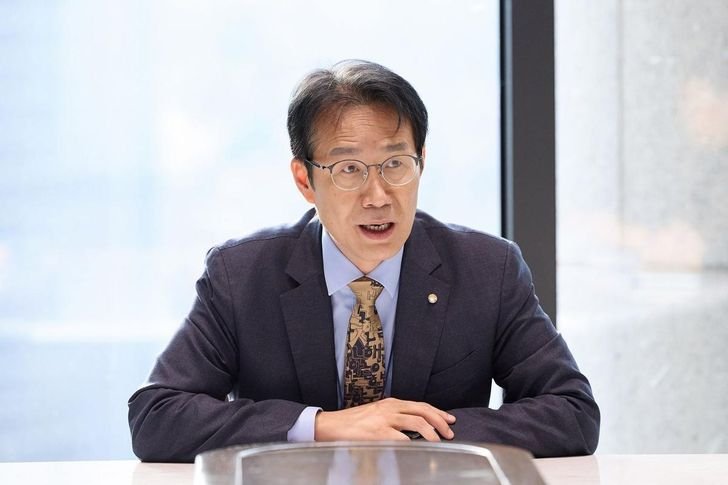
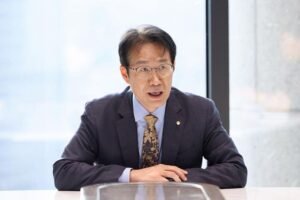
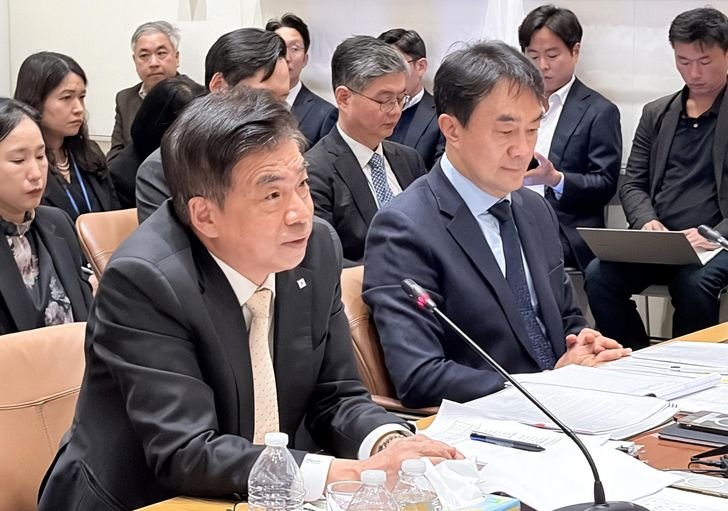
Cha Ji-hoon, left, the permanent representative of Korea to the United Nations, speaks during the National Assembly’s annual audit of the mission in New York, Oct. 14 (Seoul time). Yonhap
In October, a business gala reception was held in one of the 10 largest cities of the United States. Forgive me for not providing further details about the event or the city where it took place. In this column, everything — from the attendees and their names and genders to other details that might help identify the person I am referring to — will remain anonymous to protect their identities. The only exception is the gender of my friend, who shared the story with me.
A Korean head of mission attended the reception.
My friend, who was also invited as a VIP guest, said she approached the Korean diplomat to share something she considered important. According to her, the diplomat repeatedly clapped with both hands raised above the head.
“It was an invitation-only event, and all the attendees were VIPs affiliated with the host organization. The Korean diplomat’s way of clapping bothered me throughout the event. I thought the behavior was awkward and highly undiplomatic,” she said.
She added that the diplomat also seemed to be unfamiliar with table etiquette, randomly using forks while eating the full-course dinner served that evening. My friend acknowledged that such etiquette might seem like a minor issue to ordinary people, but she took it seriously because the diplomat was representing Korea at the event.
It would be inappropriate to judge diplomats and their professional performance solely by their table manners. Nevertheless, in diplomatic circles, such behavior can become a subject of gossip, reflecting not only on the diplomat but also on the country they represent.
Back home, once such an episode becomes public, it can give critics further ammunition to challenge the practice of appointing non-career diplomats in key foreign postings. The diplomat in question was a political appointee with no prior diplomatic experience before assuming the post.
Before leaving Korea, first-time ambassadors and consuls general are required to undergo three weeks of intensive training. During this period, they learn what it means to serve as heads of mission and what is expected of them in their overseas postings. Diplomatic etiquette, protocol and leadership are among the subjects covered in the three-week program.
Political appointees to overseas missions came under fire during the National Assembly’s annual audit of Korea’s Permanent Mission to the United Nations in New York on Oct. 13.
Independent lawmaker Han Dong-hoon criticized President Lee Jae Myung’s choice of Cha Ji-hoon, who currently serves as Korea’s ambassador to the U.N., questioning Cha’s suitability for the position. Han described the lawyer-turned-envoy as an “amateur” who had landed the prestigious diplomatic post through his personal ties to the president.
“Mr. Ambassador, you have no prior diplomatic experience. Would it have been possible for an amateur like you to rise to a position previously held by highly trained diplomatic professionals if not for your personal ties to the president?” Han asked.
Cha responded that since arriving in New York last year, he had met many ambassadors who, like him, were political appointees.
Although Han did not elaborate on why he considered Cha an amateur, his subsequent question offered a clue to his belief that Cha is unqualified to represent Korea at the United Nations.
“Is your English good enough to communicate freely with others without difficulty?” the lawmaker asked.
Cha replied that he had been communicating properly in English.
Cronyism has drawn criticism since Lee appointed his lawyer, Cha, to the key diplomatic post in September last year. As Han pointed out, Cha’s lack of experience in foreign policy and diplomacy was a major source of controversy surrounding his appointment.
Political appointees and career diplomats each have their own strengths. Thanks to their professional training at the foreign ministry and experience in previous overseas postings, career diplomats have an insider’s understanding of how diplomacy works. Political appointees, by contrast, generally enjoy relatively easier access to their appointing authority — the head of state — because of their personal ties. This can lead senior officials in host countries to view them as potential conduits to the highest levels of government.
However, both groups also have their respective shortcomings.
Career diplomats, in general, tend to rely heavily on diplomatic rhetoric and well-honed communication skills when interacting with others. Conversations with them can sometimes leave their counterparts wondering: So what?
Political appointees, meanwhile, may behave undiplomatically, as illustrated by the incident at the gala reception, making themselves — and sometimes their countries — a subject of gossip because of their unfamiliarity with diplomatic etiquette.
Which group is better suited to representing Korea at overseas missions: career diplomats or political appointees?
The answer depends on the nature of the mission to which they are assigned.
If a diplomatic post is politically sensitive or strategically important, political appointees may have an advantage over career diplomats because they can leverage their personal ties with the president to address urgent and contentious issues. If bilateral relations with the host country are stable and free of particularly sensitive issues, career diplomats may be better suited to the job.
Therefore, the real question the president should ask is not whether a candidate is a career diplomat or a political appointee. Rather, the focus should be on whether the person is capable of getting the job done.
Some people have stellar résumés, but their actual performance in the workplace fails to live up to their credentials.
In this regard, I believe there is something wrong with Han’s criteria for distinguishing diplomatic professionals from amateurs. Although he did not explicitly spell out his standards, his questions suggest that foreign language proficiency and prior diplomatic experience are two essential qualifications for an ideal candidate for a diplomatic post. By his reasoning, career diplomats who speak English fluently would be the perfect candidates.
I am not convinced.
While covering the diplomatic circuit in Seoul about a decade ago, I met many diplomats, both career officials and political appointees. As Han suggested, foreign language proficiency matters, and prior diplomatic experience is important. But these qualities alone rarely make a diplomat great.
What matters most is dedication and a commitment to getting things done. Those whose actual job performance falls short of their credentials should be the first to be excluded from consideration for diplomatic appointments.
Finding capable heads of mission to represent Korea overseas can be as difficult as finding a diamond in the rough. This helps explain why the search for suitable candidates so often ends in disappointment. Nevertheless, the president must keep trying.
The author is a Korea Times editorial writer.