









Gov’t to exempt CCTV monitoring requirement for non-walk-in ESS units
 0
 0

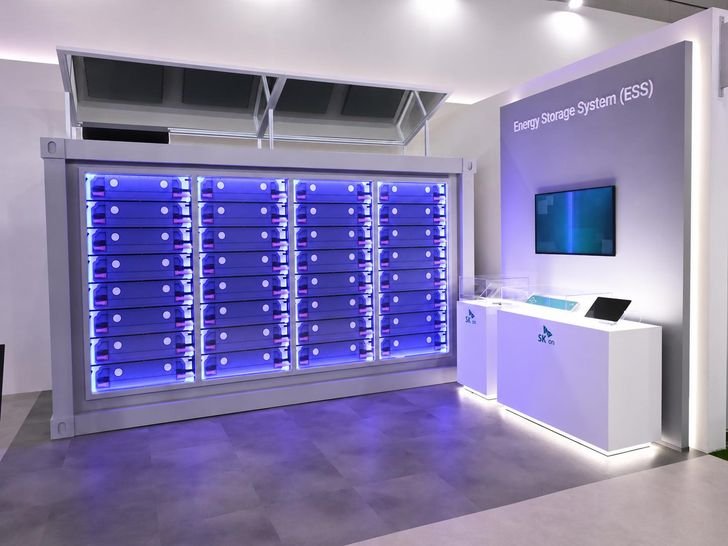
SK On’s containerized energy storage system (ESS) is displayed at InterBattery 2026 at COEX in Seoul’s Gangnam District in this undated file photo. Courtesy of SK On
The government will seek to exempt the mandatory CCTV monitoring requirement for non-walk-in energy storage systems (ESS) equipped with enhanced safety measures, as part of deregulation aimed at reducing unnecessary burdens on companies, officials said Monday.
It was one of the measures that the Regulatory Rationalization Committee announced it will pursue in coming months in an effort to improve the competitiveness of the local secondary battery industry amid intensifying market competition driven by low-cost Chinese lithium iron phosphate (LFP) batteries.
The committee plans to complete the review of the proposed deregulation by the end of this year and revise related regulations next year so that non-walk-in ESS units are exempt from internal CCTV installation requirements if they are equipped with enhanced safety features, such as advanced battery management systems (BMS).
Other deregulation measures for secondary battery firms include allowing power conversion systems (PCS) to be installed in the same container as batteries following safety verification, and waiving repeated permit requirements for wastewater discharge facilities when emissions increase by less than 10 percent.
“This measure is intended to respond to the rapid technological advancements and intensifying global competition in the secondary battery industry,” said Park Yong-jin, vice chairman of the committee. “We will closely monitor the implementation process to ensure that it leads to a tangible reduction in the burdens.”