











Is it really just the autumn blues?
 0
 0

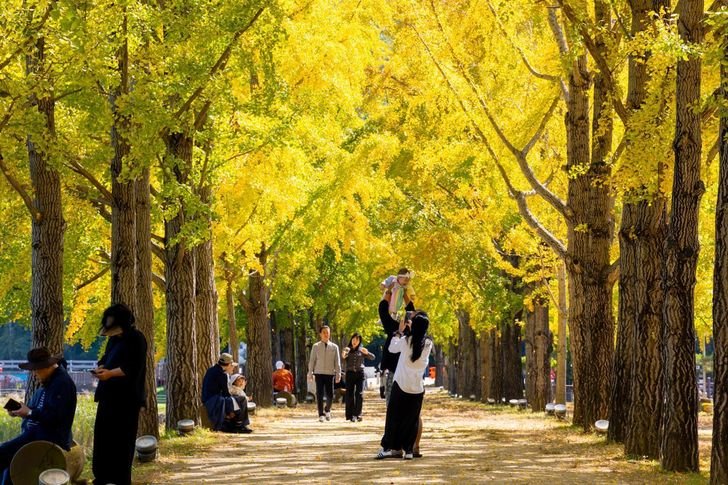
Visitors walk through a tunnel of golden autumn foliage along Yanggok Ginkgo Tree Road in Mungwang-myeon, Goesan County, North Chungcheong Province, Oct. 21. Courtesy of Goesan County
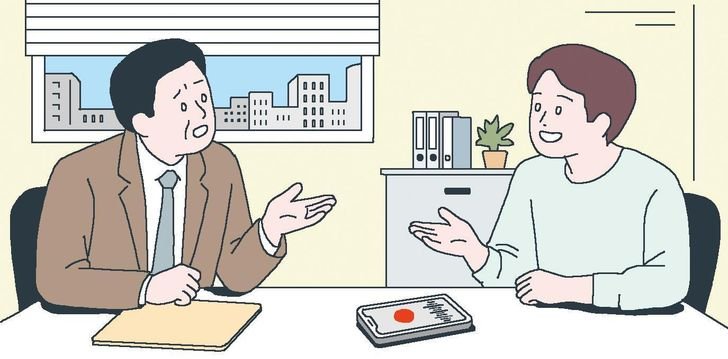
“I think the fall is getting to me.”
That’s what a friend told me on the phone recently.
“You’re middle-aged now, and suddenly you’re getting the autumn blues?” I said jokingly.
He laughed awkwardly, then began telling me about his life lately. Seeing the darkening sky on his way home from work drains his energy. Once home, he lies on the couch and does nothing. Even after sleeping in on weekends, he doesn’t feel refreshed. And after dinner, he finds himself reaching for bread and snacks.
As I listened, I began to wonder whether it was really something that could simply be blamed on the season.
In Korea, the expression “gaeul tada,” literally “to be affected by autumn,” carries a certain romanticism. It describes that wistful feeling that arrives with falling leaves, when even a familiar song can unexpectedly stir the emotions.
But persistent sadness and lethargy, along with losing interest in hobbies once enjoyed, are a long way from romantic autumn melancholy.
According to the U.S. National Institute of Mental Health, seasonal affective disorder (SAD) is a “type of depression characterized by a recurring seasonal pattern.” It commonly begins in late fall or early winter and improves during spring and summer.
Its exact causes remain unclear, but changes in daylight are thought to affect the body’s internal clock and mood regulation. Changes involving serotonin, which plays a role in mood, and melatonin, which helps regulate sleep and wakefulness, are also being studied as possible mechanisms.
Fall- and winter-pattern SAD can involve excessive sleeping, cravings for carbohydrates and increases in appetite and weight.
Sleeping late and craving bread do not automatically mean someone has depression. But if a depressed mood or loss of interest occurs nearly every day for at least two weeks and begins interfering with everyday life, it may be time to seek medical care. Doctors assessing whether depression follows a seasonal pattern may also consider whether similar symptoms have appeared during the same season for at least two consecutive years.
The reason SAD can require treatment is the impact it can have on everyday life.
Poor concentration can make ordinarily simple tasks take longer, while fatigue and lack of motivation can make work and household chores feel overwhelming. Left untreated, people may increasingly withdraw from others and experience problems at work and in their social lives.
The Mayo Clinic says untreated SAD can lead to complications including other mental health problems such as anxiety and substance misuse. In other words, it should not necessarily be dismissed with, “I’m always like this at this time of year.”
There are steps people can take in everyday life.
Spending time outside during daylight hours, walking or exercising in the sun and opening curtains to let more natural light indoors can help. Even a short walk after lunch can be a place to start.
Talking with family or friends and maintaining consistent times for going to bed and waking up may also be helpful. But such lifestyle measures are not a substitute for professional care when treatment is needed.
It has been nearly two weeks since I spoke with my friend.
When I call him again, I plan to retire my joke about middle age and the autumn blues. Instead, I’ll ask when these changes began.
I can’t make any assumptions about what he is going through. But if he tells me again, “I think the fall is getting to me,” this time I want to listen a little longer to what comes after that awkward laugh.
This article from the Hankook Ilbo, the sister publication of The Korea Times, was translated by a generative AI system and edited by The Korea Times.