








Samsung SDI swings to profit in Q3 on ESS battery demand
 0
 0

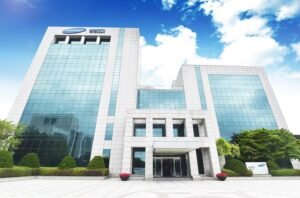
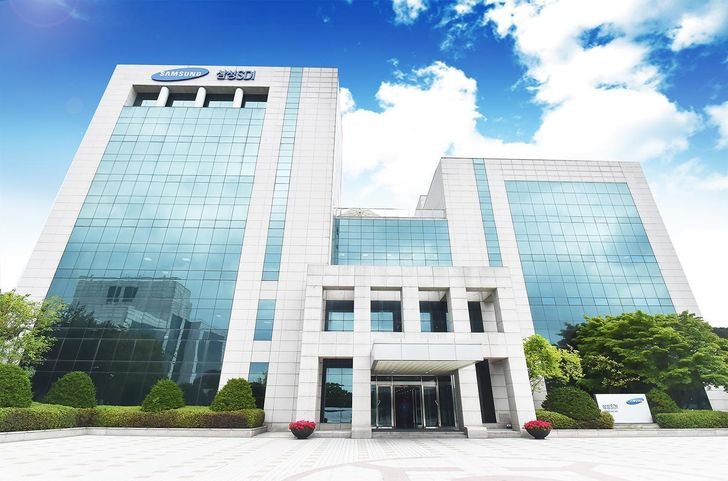
Samsung SDI headquarters / Courtesy of Samsung SDI
Samsung SDI returned to operating profitability in the third quarter of 2026, driven by strong demand for energy storage system (ESS) batteries and growing sales of small batteries for artificial intelligence (AI) data centers.
The battery maker reported Thursday an operating profit of 407.8 billion won ($285 million) for the July-September period, compared with an operating loss of 591.3 billion won a year earlier. The figure nearly doubled from 203.8 billion won in the previous quarter, marking its highest quarterly operating profit since the third quarter of 2023, when it recorded 496 billion won.
Revenue rose 52.6 percent year-on-year to 4.69 trillion won, up from 3.07 trillion won a year earlier and 20.9 percent from the previous quarter.
The battery business generated 4.41 trillion won in revenue, up 55.3 percent from a year earlier, while operating profit reached 361.9 billion won. Strong ESS and battery backup unit (BBU) sales amid the expansion of the global AI data center market, along with increased sales of cylindrical batteries for power tools and electric vehicles (EVs), drove the improvement.
The electronic materials business also delivered solid results, with revenue rising 18.9 percent year-on-year to 275.7 billion won and operating profit increasing 18.3 percent to 45.9 billion won, supported by higher sales of semiconductor patterning materials and display films for foldable smartphones.
Samsung SDI secured more than 60 gigawatt-hours of ESS battery orders this year and plans to use its Synergy Cells plant in Indiana as a production hub to meet growing U.S. demand. It is also expanding its lithium iron phosphate (LFP) battery business, having begun mass production of high-capacity prismatic LFP cells at its StarPlus Energy plant in the United States this month.
In Europe, the company secured an LFP battery project for EVs and is pursuing additional orders. It recently unveiled cylindrical LFP cells for BBU applications to expand its product portfolio for AI data centers.
Samsung SDI is also exploring emerging markets. It has shipped all-solid-state battery samples for humanoid robots and is conducting customer evaluations while preparing for commercialization. The company has also secured new cylindrical battery customers in the aerospace and humanoid robot sectors.
Looking ahead, Samsung SDI expects ESS demand to maintain its growth momentum in the fourth quarter, while EV battery demand in Europe is projected to increase. Weak EV demand in the United States is likely to persist in the near term.
The company plans to convert additional U.S. production lines to LFP batteries and finalize long-term supply agreements for utility-scale ESS and uninterruptible power supply applications within the year. It will also pursue new EV battery orders and expand supplies to existing global cloud service provider customers.
“We will continue to pursue medium- to long-term growth based on profitability,” a Samsung SDI official said. “We expect to maintain profitability in the fourth quarter, supported by continued solid growth in the ESS and small battery businesses.”