











What I learned at Oxford
 0
 0

My time at Oxford left an indelible mark on me, transforming how I perceive education and learning. Beneath the medieval and Gothic architecture of the “City of Dreaming Spires” lies a centuries-old culture of intellectual curiosity and debate that permeates everything from classrooms to dining halls.
Before Oxford, I was accustomed to an educational culture where students were expected to provide the “correct” or “model” answer. With examinations placing greater emphasis on rote memorization, there was often little room to question established viewpoints. Education frequently became a means to an end: entering a prestigious university, securing a desirable job and achieving financial stability. Learning for its own sake seemed secondary.
At Oxford, however, I encountered something different.
What first struck me was the genuine intellectual curiosity of my fellow Oxonians. Regardless of their disciplines, they were eager to discuss their research, however niche or unconventional. While pursuing my master’s in International Relations at St Antony’s College, I occasionally encountered students studying various subjects and found myself engaged in fascinating hourlong conversations about their research projects.
Regardless of how specialized their topics were, they were wholeheartedly devoted to their research, aspiring to become leading experts in their respective fields. After all, that was the very purpose of their dissertations, to fill gaps in existing literature by pioneering original research. Their passion for their subjects was inspiring and their curiosity was reciprocal, as they were equally eager to learn about my own research.
Within the first few weeks of the fall academic term, I had made friends from various disciplines and broadened my intellectual horizons. I realized that education was not merely about mastering existing knowledge but also about discovering what remained unknown.
The second lesson was the art of debate.
Oxford’s personalized teaching system, particularly its tutorials and postgraduate supervisions, encourages students to develop and defend original arguments. My supervisor assigned me a 2,000-word essay every fortnight, followed by rigorous discussions and feedback. Together with my other coursework, I would often write more than 10,000 words in a single eight-week term. Yet the greatest challenge was not the volume of writing. It was learning to question assumptions, weigh competing explanations and construct original arguments rather than reproduce established interpretations.
This culture of debate extended to weekly classroom discussions, where my coursemates and I reviewed each other’s essays and offered constructive criticism. As part of our coursework, we were encouraged to challenge Eurocentric narratives and the “Westphalian myth” of international relations while interrogating examining established concepts and terminology we often took for granted.
Even formal dinners became opportunities for spirited discussions about current events and pressing global issues. Sitting across from students of different backgrounds, I discovered that some of the most memorable lessons emerged outside the classroom.
These experiences prompted me to reflect on Korea’s educational culture, where examination performance and standardized answers can sometimes overshadow independent inquiry.
Certainly, mastering foundational knowledge remains essential. Yet education should not end with understanding what others have already established. Students must also be encouraged to ask questions, challenge prevailing assumptions and develop their own perspectives.
Oxford taught me that intellectual disagreement need not be confrontational. Rather, when approached with humility and curiosity, debate becomes an opportunity to refine our thinking and appreciate perspectives different from our own.
Ultimately, the greatest lesson I took away from Oxford was not a particular theory or academic qualification. It was a different understanding of what it means to be educated.
True education is not simply learning how to answer questions correctly, but developing the courage to question the answers themselves.
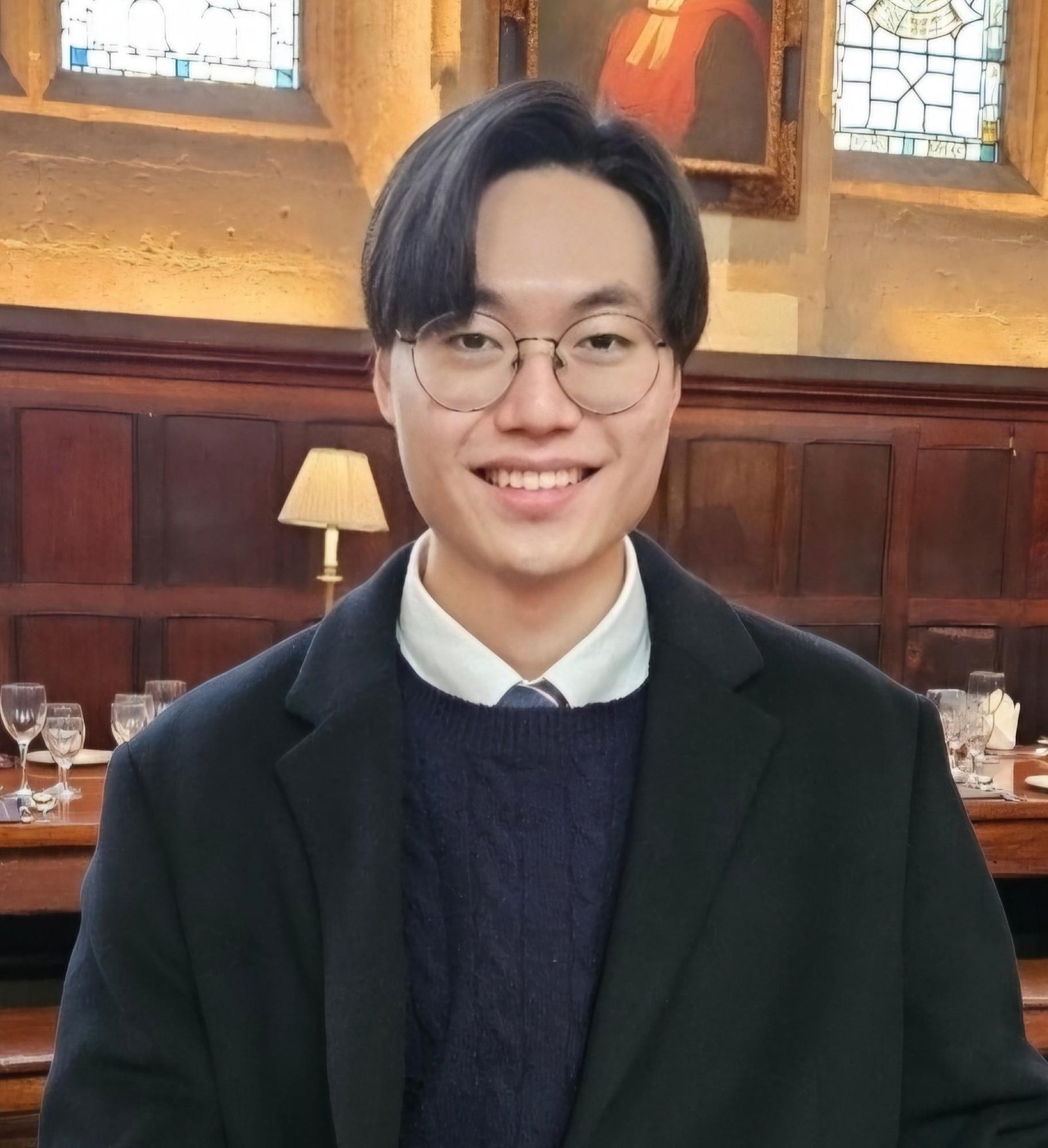
Lee Yoon-ki recently completed his MPhil in International Relations at the University of Oxford and graduated summa cum laude from Yonsei University with a B.A. in International Studies. He is currently a Korea Times Global Supporter, Marcellus Policy Fellow, Pacific Forum Young Leader and RUSI NextGen member.