












Energy market for the week: there is no peace yet, but there are already low oil reserves — EADaily, June 13th, 2026 — Politics, Russia
 0
0  0
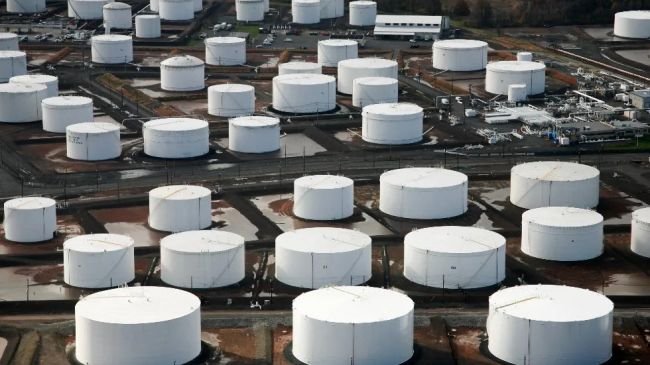
0 Trump is putting the squeeze on oil. Statements about the imminent peace agreement sent the cost of raw materials to three-month lows, while the situation for oil in the world is not so optimistic. The world is expending strategic reserves at great speed while the Strait of Hormuz continues to be closed. And gas reserves in Europe are waiting for a new attack — next winter may be colder.
Oil
For the first time in three months, the price of a barrel of oil fell below $ 90. The cost of the benchmark North Sea Brent from Friday to Friday decreased from $ 93 to $ 87.3 per barrel.
“The market believes that we are closer to an agreement,” Phil Flynn, senior analyst at Price Futures Group, told Reuters.
According to the agency, the memorandum between the United States and Iran on ending the war in The Persian Gulf can be signed as early as Sunday.
“The market is moving again under the influence of news headlines, as confidence grows that an agreement will eventually be reached and The Strait of Hormuz will reopen,” said PVM Oil Associates analyst Tamas Varga.
However, he noted that global and regional oil reserves are still low and may continue to decline even with the conclusion of an agreement, since it will take time to ensure uninterrupted oil supplies.
“We believe that the market will reach a turning point at the end of July if oil supplies do not resume before that time. It is at this time that inventory levels and seasonally higher demand will significantly push prices up to $ 120-130 per barrel,” ING analysts believe.
Gas
Gas followed oil. During the week, deliveries for a month in advance from the Dutch TTF exchange fell from $ 589 to $ 568 per thousand cubic meters.
The market is reacting to the decline in oil prices, although the situation on the European gas market itself is not the best. Since the beginning of the gas injection season, the main supplier Norway has even increased gas exports, but still cannot match Gazprom and provide the country with EU with the required amount of fuel. LNG supplies are declining and inventory recovery is lagging further and further behind last year.
In this situation, the analytical agency ICIS believes that danger awaits the country The EU is not only that the filling of storage facilities may not exceed 70%.
“In general, according to our estimates, winter gas demand in Western and Central Europe may increase by 6.7 billion cubic meters during the El Nino years,” ICIS said.
Coal did not lose ground as sharply as oil and gas. Monthly deliveries from the Antwerp-Rotterdam-Amsterdam (ARA) hub dropped from $134.3 per ton to $131 in a week. With such a gas price, coal becomes a competitive fuel at power plants.