 0
0
 0
0 Stakeholders in Ghana’s aviation sector have been urged to take urgent steps to address increasing traffic congestion and rapid development around the Accra International Airport enclave to protect the future growth of the country’s aviation industry.
The call was made during a conference organised by the Ghana Civil Aviation Authority (GCAA) as part of activities marking its 40th anniversary celebrations in Accra on Tuesday, May 12.
The conference brought together aviation experts, regulators, past employees, and other industry stakeholders to deliberate on the future of Ghana’s aviation sector and challenges confronting the industry.

One of the major concerns raised during the discussions was the growing traffic congestion around the airport enclave and the increasing rate of infrastructure development close to the airport.
Delivering a presentation at the event, retired Wing Commander Andy Mensah warned that the current pace of development around the airport area could affect future expansion plans and create operational challenges if proper planning measures are not enforced.
“If you drive on the main road, you see confrontation building is big one here, big one here, it gives no chance for you to expand the road.”
“There must be a master plan,” he added.
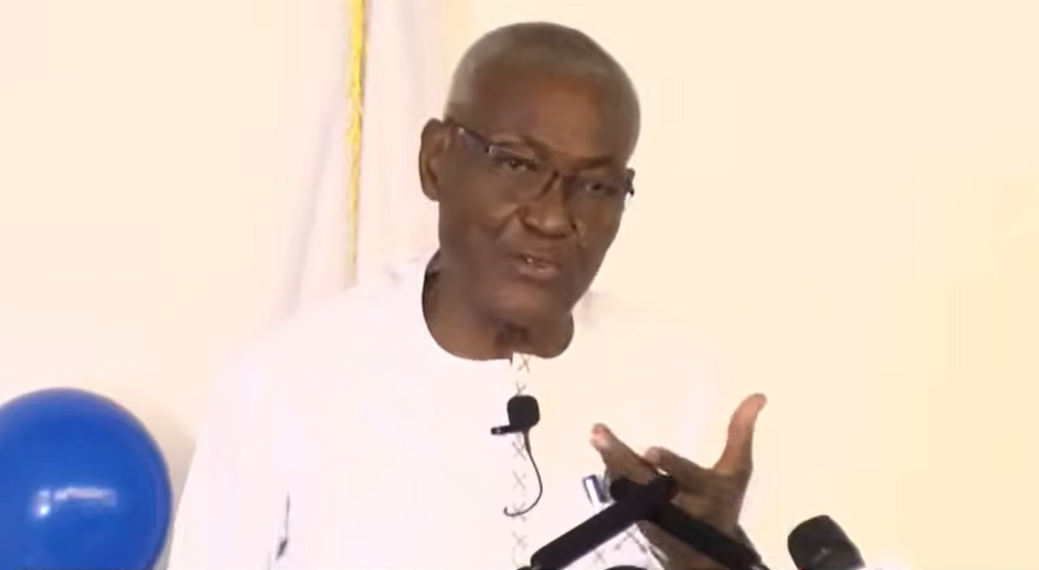
According to him, authorities must begin long-term planning now to accommodate future growth in passenger traffic and airport operations.
He said that aviation infrastructure planning should not focus only on current demands but also on future expansion and safety considerations.
“We have to be very careful how we develop this country. It is very serious,” he said.
Wing Commander Mensah also expressed concern about traffic congestion affecting movement in and out of the airport enclave, noting that increasing pressure on road networks could affect passenger experience and airport efficiency.
He further highlighted the country’s dependence on a single main runway at the airport, warning that any disruption could significantly affect operations.
“We are missing one single runway. If anything happens on the current runway, operations become difficult,” he said.
Speaking to the media at the sidelines of the conference, Director-General of GCAA, Rev. Stephen Wilfred Arthur, acknowledged the challenges associated with traffic congestion and development around the airport enclave.
He said the authority would continue to engage the Ghana Airports Company Limited, the Ministry of Transport, and other state institutions to improve planning and transportation systems around the airport area.
“With regards to the high-rise buildings, we are in total control because any time a company or an interested developer wants to raise an edifice or a structure, there are height restrictions that they must conform to. So an application is made to the Ghana Civil Authority, and the clearance or otherwise is given in that regard. But what he talked about is other developments that affect, let’s say, traffic movements in and out of the airport.”
“I believe that with stakeholder engagement involving the Ministry of Transport, the Ghana Highway Authority, and other agencies, we can address the total effect because transportation systems have a bearing on airport operations,” he added.
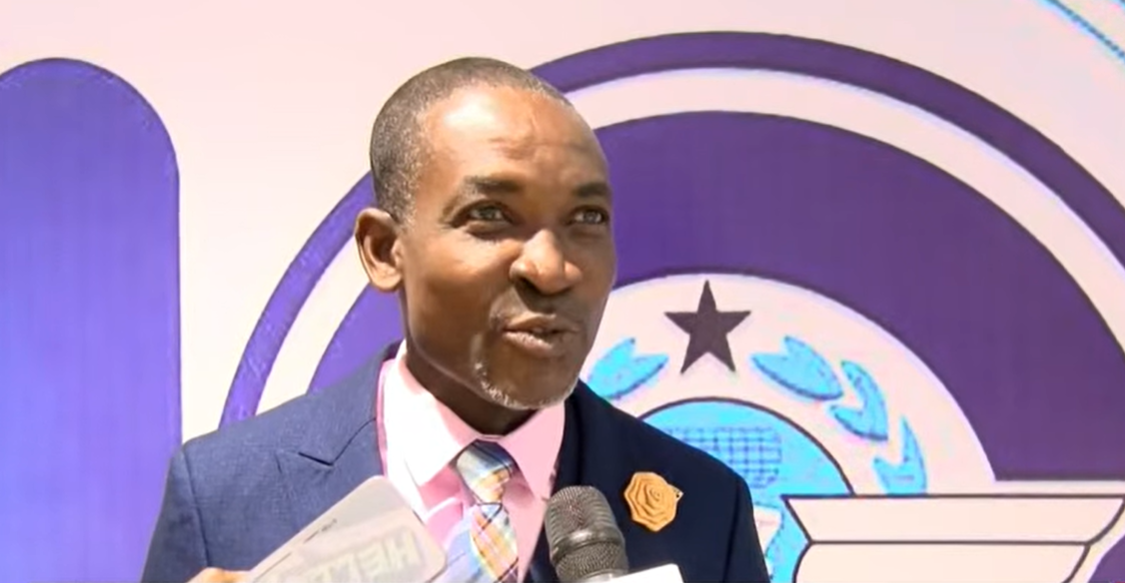
The Director-General said that many developed countries invest heavily in railway and underground transportation systems to reduce congestion around airports and improve accessibility for passengers.
“That is why in developed countries, they go for railway and other underground transportation just to make sure that there is less impact in terms of passengers and other stakeholders accessing the airport. So it’s something that must be through stakeholder engagement,” he said.
The conference formed part of the GCAA’s activities marking four decades of operations and service to Ghana’s aviation industry.


