 0
0
 0
0 Ghana has taken a significant step towards strengthening early childhood development with the launch of its revised Early Childhood Care and Development (ECCD) Policy.
The initiative, spearheaded by the Ministry of Gender, Children and Social Protection through the Department of Children, underscores government’s renewed commitment to ensuring that every child receives the right start in life.
The launch was held under the theme, “Invest in Early Childhood for a Brighter Future.”
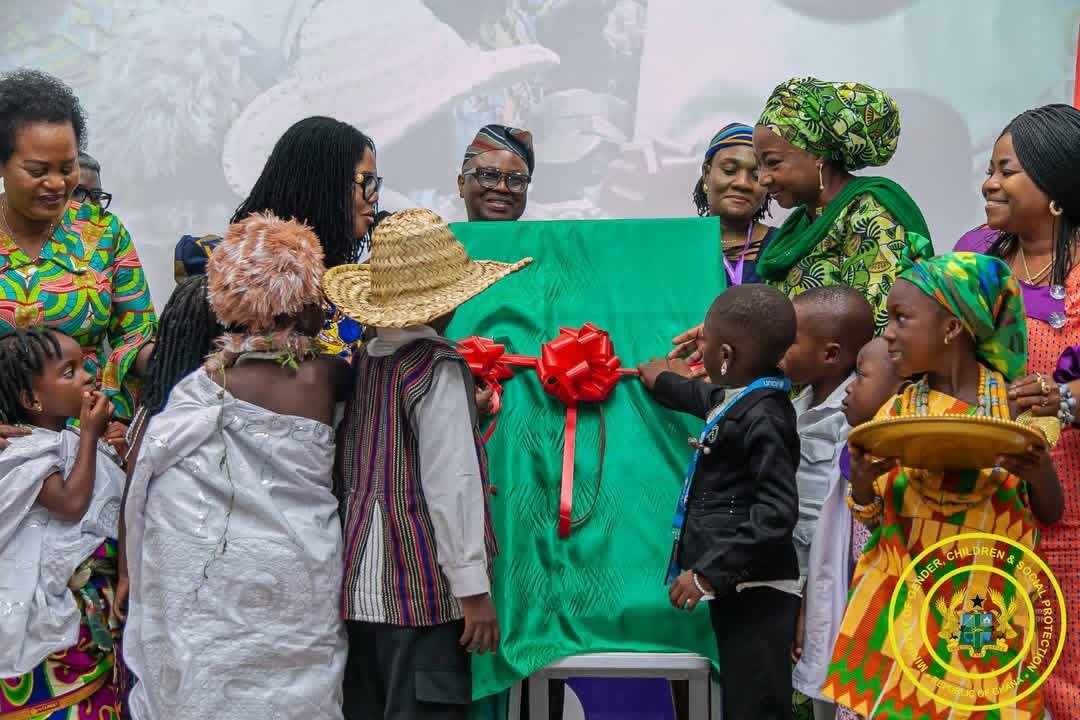
Delivering the keynote address, the Sector Minister, Dr Agnes Naa Momo Lartey, described the revised policy as a firm national commitment to promoting the survival, growth, development and protection of children from birth to age eight.
She explained that the updated framework is informed by research evidence, lessons from previous implementation and emerging global best practices, while aligning with Ghana’s development priorities and the Sustainable Development Goals (SDGs).

Referencing research on the importance of the first 1,000 days of a child’s life, the Minister stressed that investment in early childhood development is not optional but essential to national productivity, equity and long-term prosperity.
She noted that the policy adopts a whole-of-government and whole-of-society approach, anchored on key pillars such as health, nutrition, early learning, responsive caregiving, safety and inclusion.
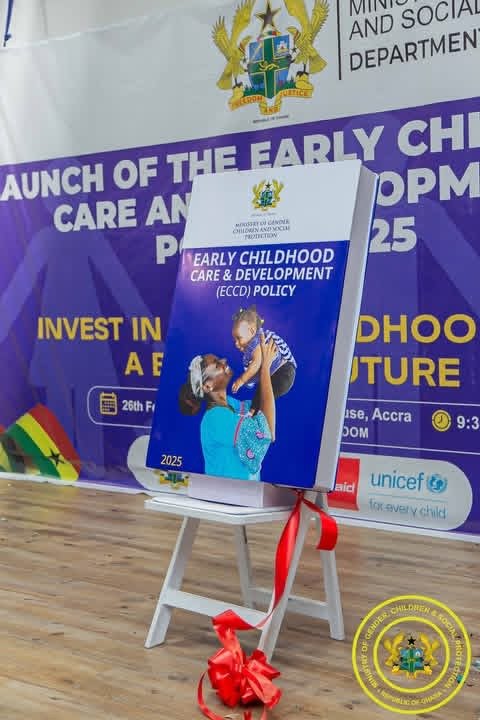
As part of efforts to strengthen family-level support systems, Dr Lartey announced that the Ministry, with support from UNICEF, is developing a National Parenting Strategy to equip parents and caregivers with practical, evidence-based tools to nurture and protect children.
She reaffirmed government’s commitment, under the leadership of President John Dramani Mahama, to placing children at the centre of national development, and called for coordinated action across ministries, metropolitan, municipal and district assemblies (MMDAs), communities and families to ensure that no child is left behind.
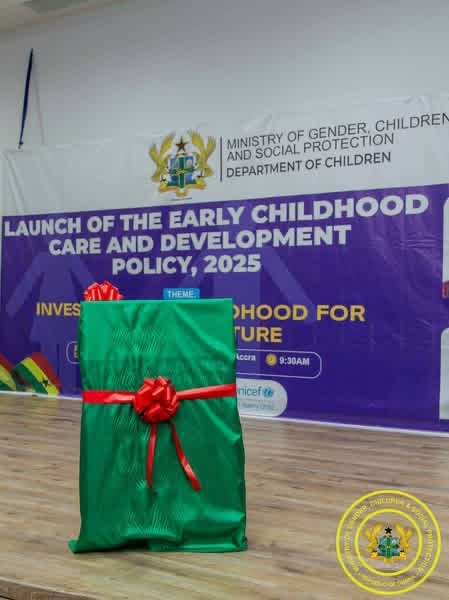
Providing an institutional perspective, the Chief Director of the Ministry, Dr Afisah Zakariah, described the revised policy as a national milestone designed to guarantee children the best possible start in life.
She commended the Department of Children for leading the technical review process and acknowledged the contributions of government agencies, development partners, traditional authorities and communities in shaping a collaborative, evidence-based framework.
The ceremony featured solidarity messages from key ministries and development partners, as well as a symbolic performance by the ECD Council depicting the stages of child development and the shared responsibility of society in nurturing children.


