 0
0
 0
0 Pankrono, Ashanti Region: For 15 years, Abass Salifu toiled deep beneath the ground in illegal mining sites here around Kumasi. The work paid well. He built two houses and provided comfortably for his wife and two children.
In 2025 however, everything changed. He started coughing endlessly. Soon, he was coughing blood.
By January 2026, Salifu passed away.
“I wish I had never mined,” he told this reporter in December, speaking in Twi. Salifu laboured to breathe, and to control his emotions. Doctors had told him he had days to live. “It’s not worth giving your life. I’m not going to see my children grow up. If I had known this would happen, I would have chosen something else.”

Salifu is another victim of what doctors say is a growing wave of severe respiratory disease linked to prolonged exposure to dust, toxic fumes and hazardous chemicals at illegal mining sites — a largely hidden health crisis unfolding alongside Ghana’s fight against galamsey.
As Ghana struggles to rein in illegal mining because of the devastating environmental impacts, health experts are warning of a potentially more serious harm from the trade: to workers’ health.
Delays in curbing the practice, they say, are exposing tens of thousands of mostly young miners to dangerous levels of air pollution, increasing the risk of respiratory and chronic diseases that can leave them sick for life, or worse.
Illegal mining, known in Ghana by the pidgin word “galamsey”, employs many Ghanaian youth who have often been unable to find any other work. With more than one million Ghanaians under 35 unemployed, according to the Ghana Statistical Service, Ghana’s deep seams of gold have provided the only means of survival for many.
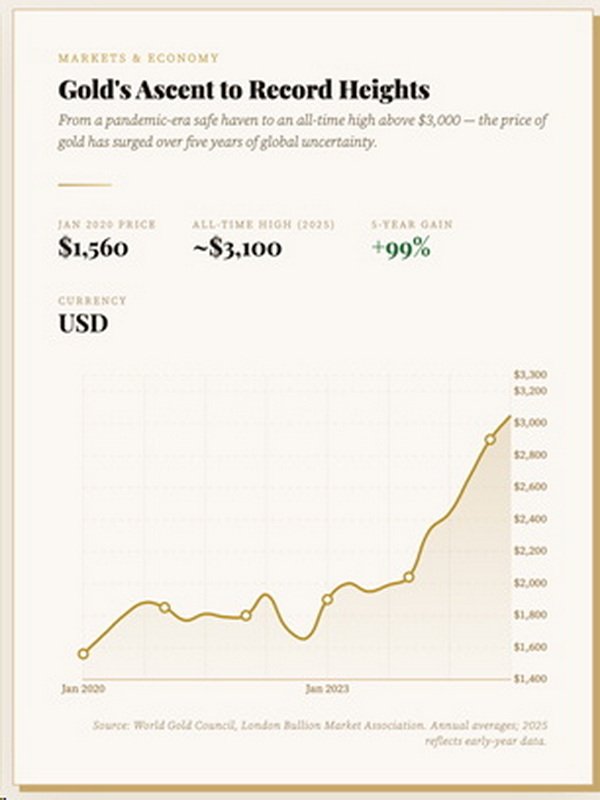
That presents a bind for a government struggling to create jobs for a growing youth population. A dramatic increase in the price of gold since 2020, as a result of global instability, is undermining efforts to curb it.
But as surface deposits of the precious metal are being depleted, mining operations are becoming more dangerous, and doctors say the human cost is becoming increasingly severe.
“Mining has moved deeper underground, and the use of mechanised equipment generates much higher dust concentrations,” said Dr Divine Aseye Yao Amenuke, head of the Respiratory Unit at the Komfo Anokye Teaching Hospital in Kumasi who treats patients from illegal mining communities in the area. “Miners are exposed for longer periods, often without any form of protection.”
Dr Amenuke said dust from underground mining contains toxic substances such as silica, coal dust and metal particles including lead, copper and zinc. Prolonged exposure can lead to lung fibrosis, lung cancer, kidney and liver damage, as well as complications such as pulmonary hypertension, respiratory failure and severe asthma attacks.
A year-long study by the Environmental Protection Agency and Pure Earth, a U.S. group working to reduce exposure to toxic chemicals, found alarming levels of mercury, arsenic and other toxic metals in air, water and food sources across Ghana’s mining regions.
As part of renewed efforts to curb youth involvement in both legal and illegal mining, the Environmental Protection Agency has joined the outcry. It warns young people that the widespread use of hazardous chemicals is cutting short the lives of many young men engaged in gold mining.

“The short-term financial gains from mining are being outweighed by long-term health consequences that many miners do not immediately recognise,” warns Professor Michael Ayamga-Adongo, Deputy Chief Executive of the Agency.
Ayamga-Adongo says the Authority has intensified public education -specifically targeting young men who make up the majority of illegal miners – on the dangers of exposure to hazardous substances and is working with the Ministry of Environment, Science and Technology, Ghana Water Limited and other key stakeholders to make safety in mining sites a national priority.
He says the Agency remains serious about shutting down illegal mining activities and is urging members of the public to report offenders to authorities.
The fight against galamsey is not about politics or slogans to “stop galamsey,” Professor Ayamga-Adongo says. It’s now a matter of life and death.
Meanwhile at the Respiratory Unit at the Komfo Anokye Teaching Hospital, former miners battle with the health impacts of their trade. Issah Yussif is another of Dr Amenuke’s patients.
The 41-year-old illegal small-scale miner was diagnosed with lung fibrosis last year following more than two decades in illegal mining. Yussif says his health challenges began suddenly.
“One day, after returning from underground mining work, I went to sleep and started coughing blood,” Yusif says, speaking in Twi.
The financial cost has been devastating for the father of three. Yussif says he has exhausted all his savings on medical treatment and sold two houses valued at GH¢2.5 million ($US227, 00) to pay his hospital bills.
“All the money I made from galamsey is gone,” he says. His family, who warned him of the dangers of galamsey, have refused to help.
“They advised me against it, but I did not listen.”
Yussif claims to know of about 30 other illegal miners who have died under similar circumstances. He warns other young people not to make the same mistake.
“It is not worth risking your life for. The money looks attractive, but the consequences are deadly,” says Yussif, a former miner.

Another patient, Mahama Ayariga, 35, says he has spent the past 16 years engaged in illegal mining. Today, he is battling lung fibrosis. Doctors have told him half of his lungs are no longer functioning properly.
“I struggle to breathe, especially when I’m asleep,” he says. “Even walking for a short distance leaves me breadthless.”
Ayariga says he regrets spending most of his youth in illegal mining. “If I had known this would happen to me, I would have stopped long ago.”
Doctors say a growing number of children are battling health impacts of mining
Most worrying for health workers here is the growing number of children they are treating.
Professor Anthony Enimil of the Ghana Paediatric Society says hospitals are recording increasing cases of kidney disease among children.
“Some children are already on dialysis,” he says. Dialysis is a medical treatment that uses a machine to clean your blood when your kidneys are too sick or damaged to do the job themselves.
“This is devastating for these children. They cannot live normal lives. They have to come here three times a week for hours at a time.”
He cited a case at the hospital involving a child who reportedly ingested mercury from an illegal mining site.
“Chronic mercury poisoning can damage the brain and nervous system, leading to memory loss, learning difficulties, poor coordination and behavioural problems,” he says. “In young children, whose bodies and brains are still developing, the impact can be even more severe — causing developmental delays, reduced IQ, speech impairment and, in extreme cases, permanent neurological damage.”
Experts say a focus on environmental damage has overlooked the impact on health
Environmental damage from illegal mining has got most of the attention until now. Thirty-four of Ghana’s 288 forest reserves have been degraded, over 4,700 hectares of forest lost, and more than 60 percent of rivers polluted by mercury and cyanide according to the Forestry Commission. Galamsey activities have been reported in 14 of the country’s 16 regions.
Successive governments have attempted to tackle the problem. Former President Nana Akufo-Addo deployed soldiers to mining areas, while the current administration under President John Dramani Mahama has introduced the National Anti-Illegal Mining Operations Secretariat, an intelligence-led task force that has carried out raids and seized equipment.
But the persisting trade has grown, driven by the soaring gold price. Dr Amenuke is blunt. “Government must stop illegal mining.”
Until then, he warned miners to protect themselves with protective nose masks to reduce dust inhalation. Without a decisive action, he and other experts caution, Ghana risks an avoidable health emergency — one that may only fully manifest years from now.
This story was a collaboration with New Narratives, with funding from the Clean Air Fund. The donor had no say in the story’s content.


