 0
0
 0
0 Ghana has marked a significant milestone in the green transition of its aviation sector, as the Ghana Civil Aviation Authority (GCAA) launched a pivotal workshop exploring the feasibility of sustainable aviation fuels (SAF).
The event, held on Tuesday, February 24, as part of the ACT-SAF Feasibility Study Delivery Programme, is funded by the UK Department for Transport and supported by the International Civil Aviation Organization (ICAO).
The workshop signals Ghana’s commitment to aligning its aviation sector with international environmental standards, while positioning the country as a potential leader in sustainable aviation across Africa.
Addressing participants, the GCAA Director-General, Rev. Stephen Wilfred Arthur, described the initiative as a “significant milestone in Ghana’s journey towards a greener and more resilient aviation sector.”
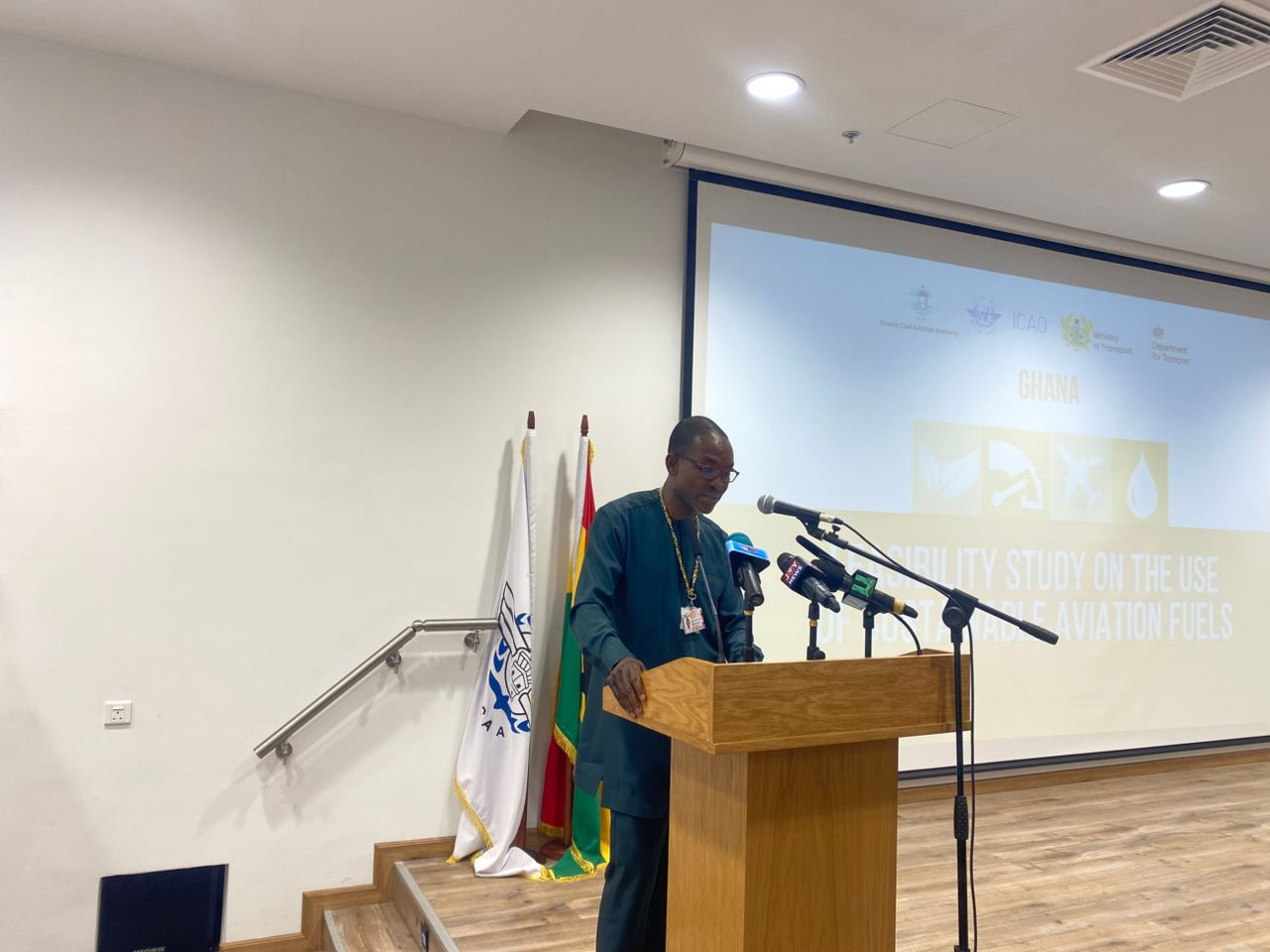
“It is with great honour that I welcome you all to this workshop, which conveys our efforts to advance ICAO’s assistance and capacity-building training on sustainable aviation fuels,” Rev. Arthur said. “
This workshop marks the transition from the delivery of the feasibility study into the critical stage of the business implementation study vehicle.”
He stressed that SAF is more than an innovation; it is a regulatory necessity.
“ICAO has set ambitious targets for carbon reduction. By 2050, we are aiming at zero carbon emissions. As a contracting state, Ghana must align itself with global commitments while safeguarding the integrity of our aviation system,” he said.
The Director-General outlined the next steps in SAF adoption, emphasising the importance of regulatory frameworks for certification, quality assurance, and integration into existing fuel supply chains.
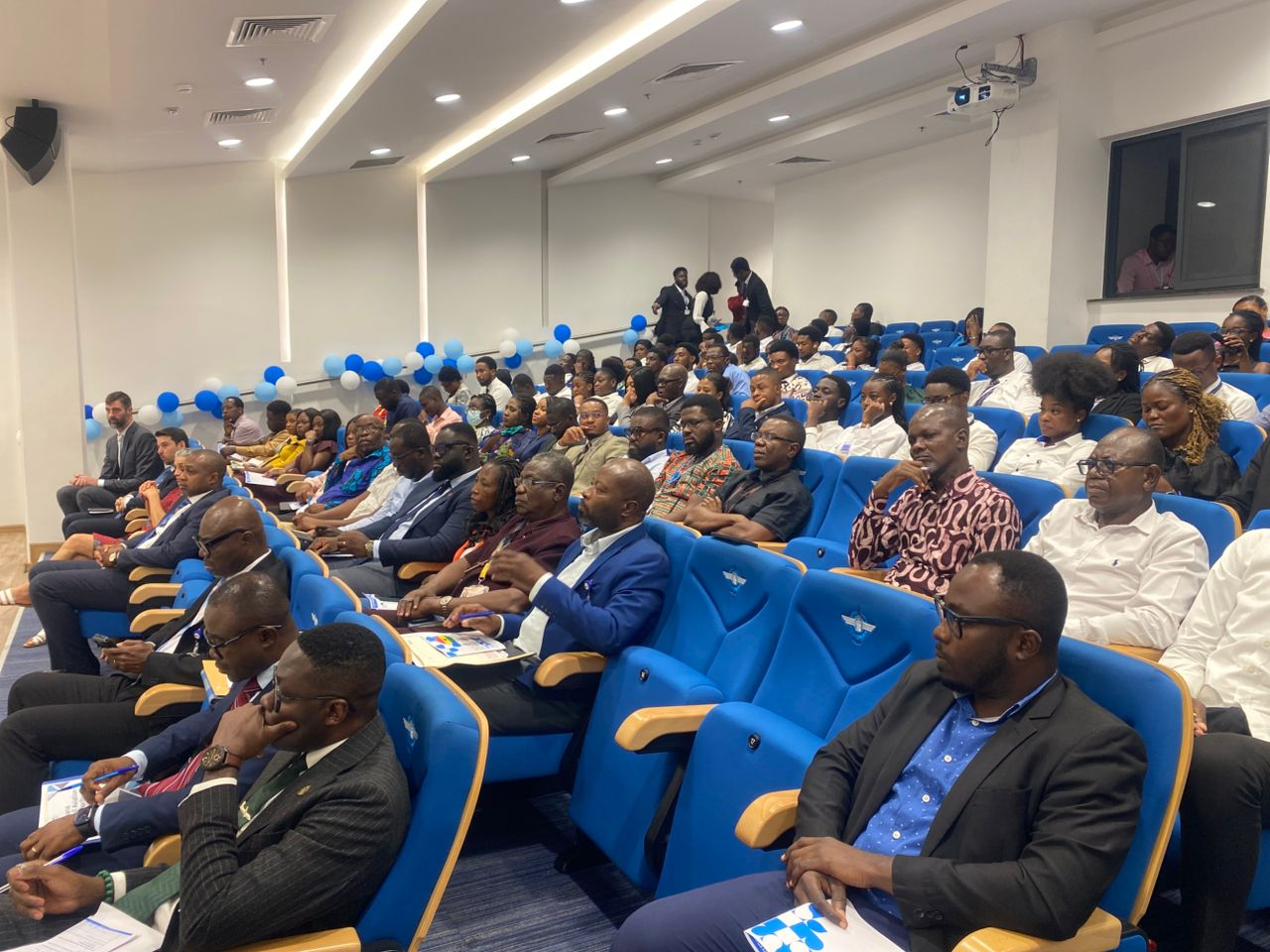
He also highlighted the need to harmonise national standards with ICAO guidance, ensure environmental compliance, and develop monitoring systems that guarantee transparency from feedstock production to fuel deployment.
Rev. Arthur cautioned that SAF development must not compromise food security, biodiversity, or rural livelihoods.
To achieve this balance, the GCAA will collaborate closely with the Ministry of Food and Agriculture, the Ministry of Energy and Green Transition, and industry stakeholders to craft policies that encourage sustainable investment while protecting public interests.
“This workshop is a platform for partnership,” he said. “By bringing together government agencies, industry stakeholders, and academia, we can design regulatory mechanisms that not only meet ICAO standards but also position Ghana as a leader in sustainable aviation in Africa. The GCAA is committed to guiding this process with rigour, transparency, and foresight.”
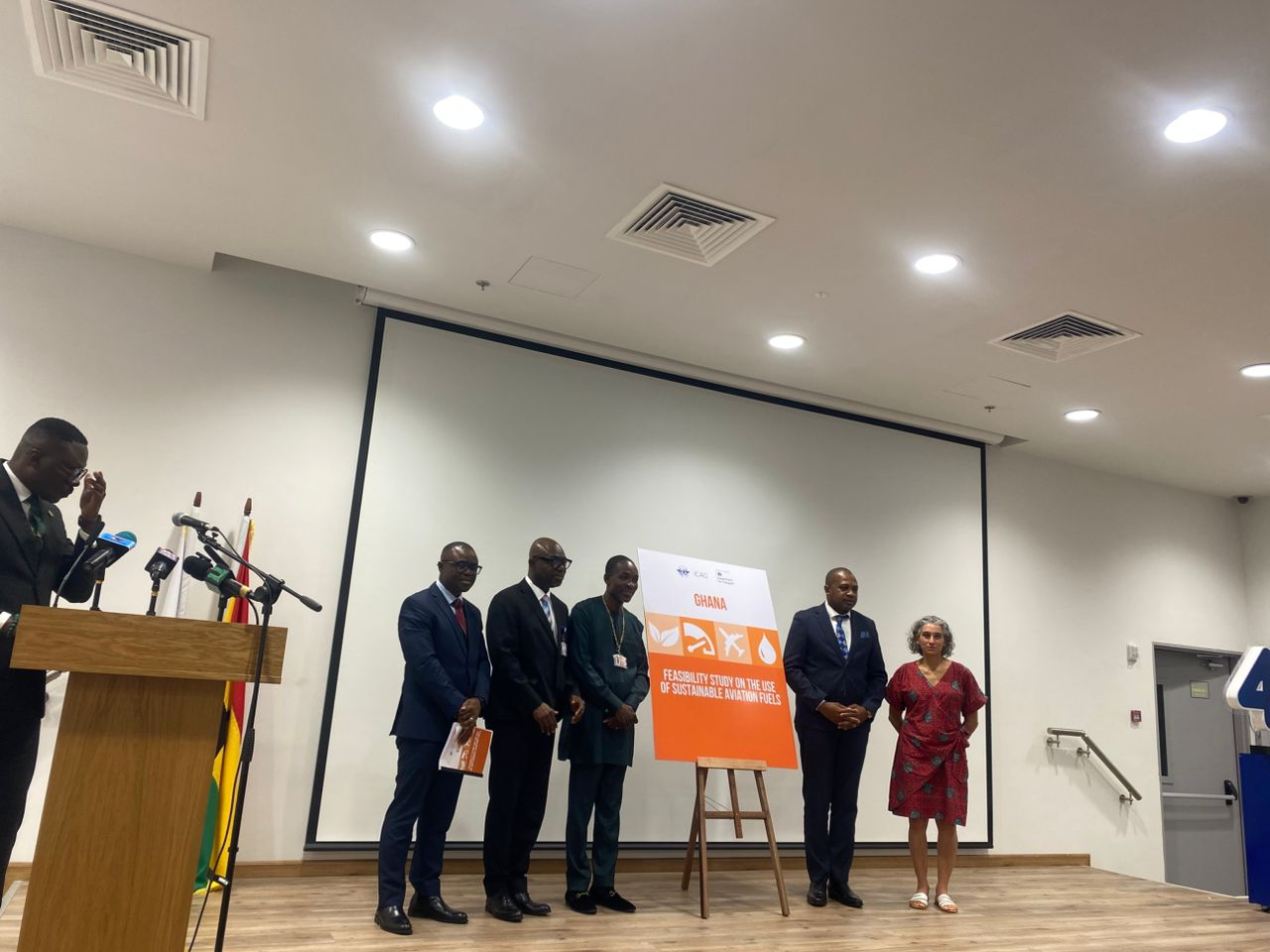
Rev. Arthur urged participants to turn feasibility studies into actionable outcomes.
“Together, we can chart a course towards cleaner skies and a sustainable future for aviation. Let us ensure that Ghana’s aviation sector remains compliant, competitive, and environmentally responsible. May God bless Ghana, may God bless the GCAA, and may God bless our aviation industry.”
The two-day workshop is expected to produce concrete recommendations for implementing SAF in Ghana, highlighting the country’s potential as a hub for sustainable aviation fuel production.
According to Damiana Serafini, Technical Consultant to ICAO, Ghana’s abundant feedstock resources offer significant opportunities for both environmental and economic gains.

“Ghana has enough feedstock, and a variety of feedstocks, that can be sourced for the production of sustainable aviation fuels,” Serafini told journalists.
She noted that challenges such as collection, aggregation, pre-treatment, and conditioning are common internationally and can be overcome with appropriate policies.
“The potential exists in Ghana, and our findings show which feedstocks make the most sense in terms of quality, volume, and sourcing paths,” she explained.
“Clear policy signals will define how the industry develops because investors use policy frameworks to de-risk their investments.”
Serafini emphasised that the benefits of SAF extend beyond aviation. Developing the sector could stimulate economic growth, create employment, and improve agricultural and waste management practices.
She cited cocoa husks as an example: often discarded, they generate methane emissions, but if collected and processed for SAF production, they create value for small farmers while reducing environmental harm.
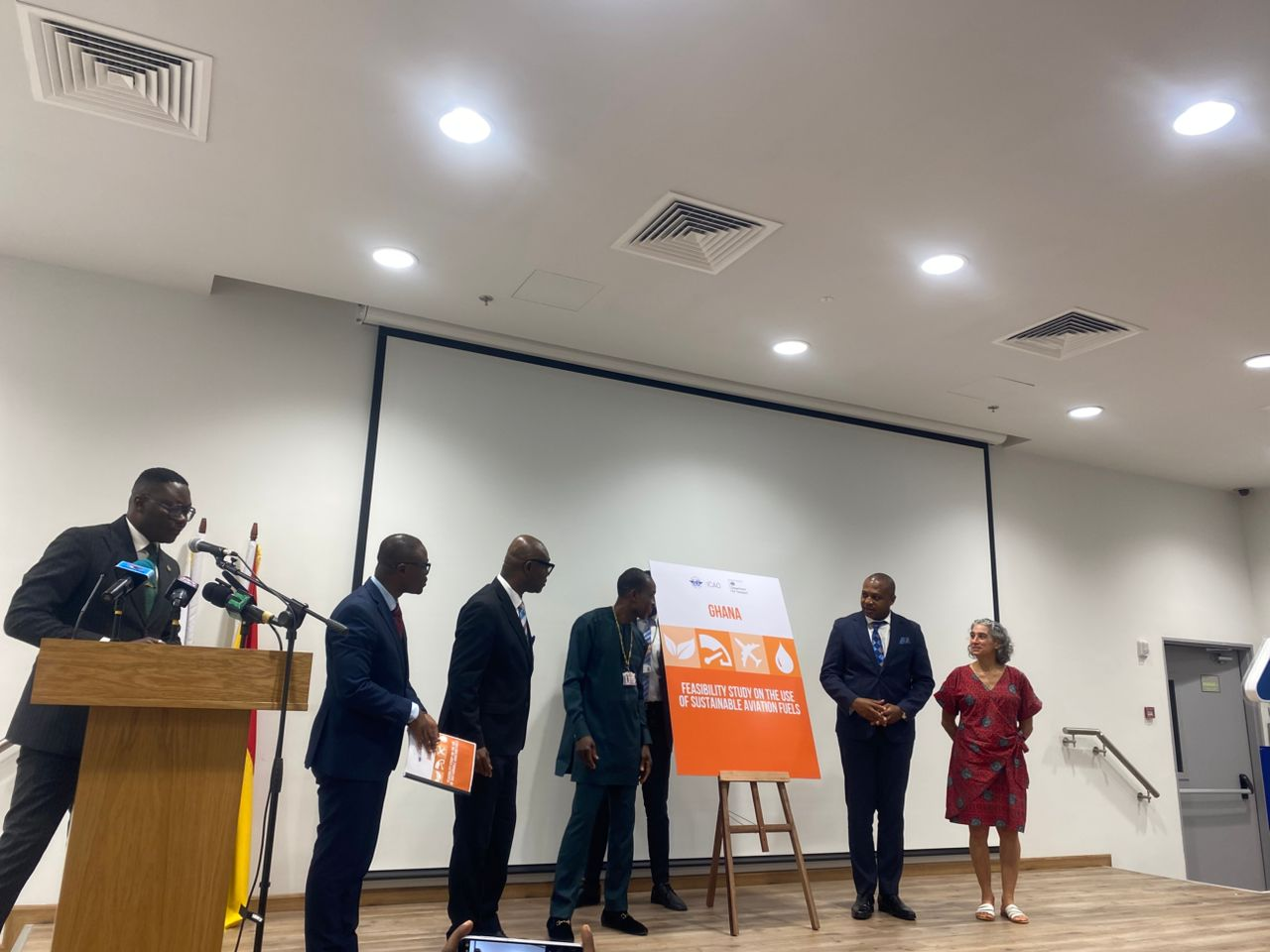
“SAF brings economic development across the upstream, middle, and downstream sectors, but most benefits are upstream where the feedstock is produced. Emission reductions are just the final outcome; the real gains happen throughout the value chain,” she said.
She also highlighted the sector’s potential to promote sustainable agricultural practices, boost local economies, and foster industrial development.
“The benefit is way beyond aviation, way beyond emissions. It’s a sector that spans multiple industries, providing opportunities for innovation, investment, and social development.”
The ACT-SAF programme, funded by the UK Department for Transport and supported by ICAO, is expected to provide Ghana with crucial guidance for policy-making, investment decisions, and regulatory frameworks, helping the country realise the full potential of its SAF industry.
With strategic planning and international collaboration, Ghana could emerge as a leading hub for sustainable aviation fuel production in Africa, demonstrating how environmental stewardship and economic development can go hand in hand.


