 0
0
 0
0 Ghana is taking decisive steps to position itself as a regional leader in sustainable aviation, with the Ghana Civil Aviation Authority (GCAA) signalling a transition from research to action on sustainable aviation fuels (SAF).
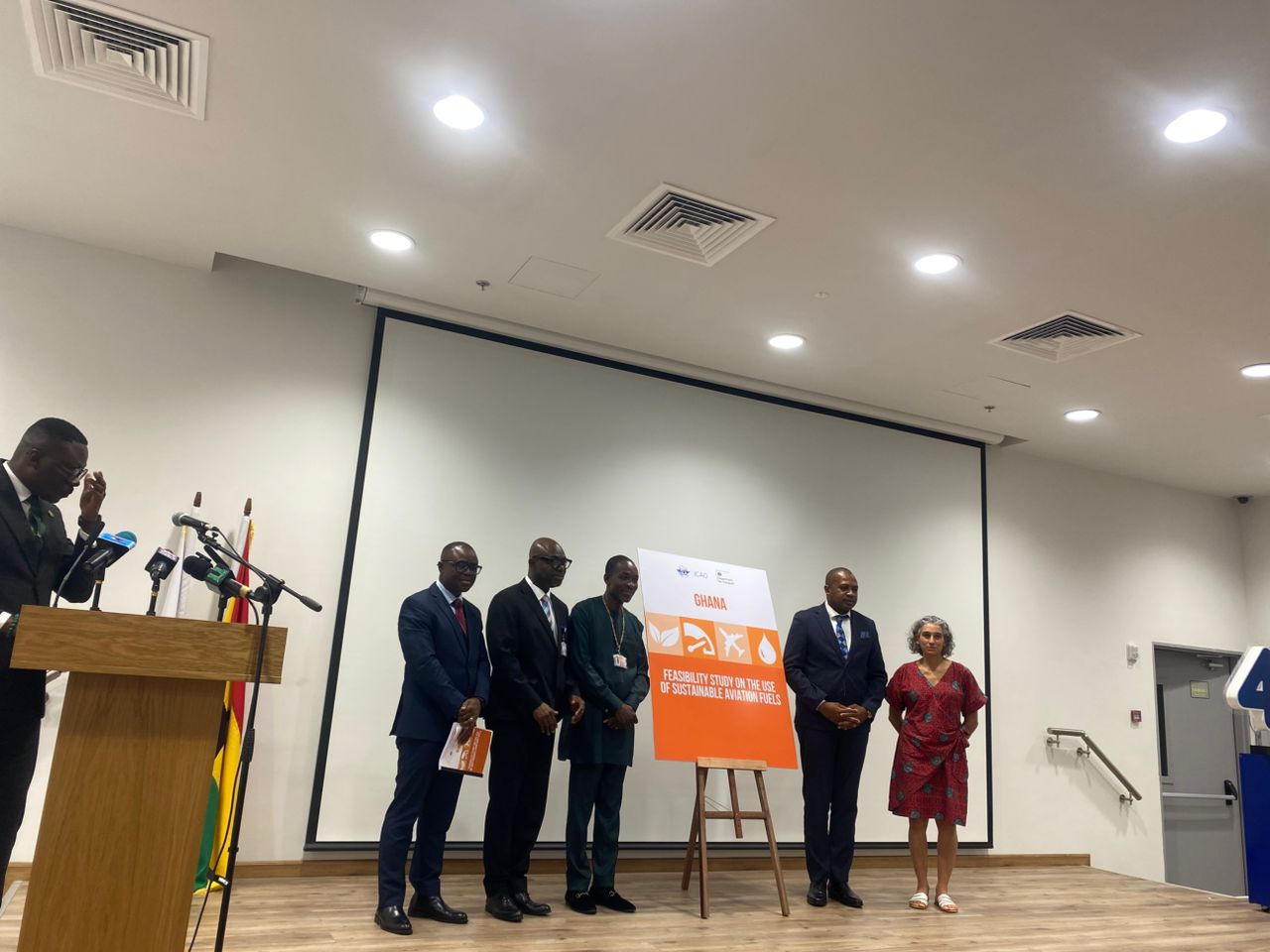
Speaking on Tuesday, February 24, at the ACT-SAF Feasibility Study Delivery Programme, themed “Feasibility Study on the Use of Sustainable Aviation Fuels”, GCAA Director-General Rev. Stephen Wilfred Arthur described the workshop as a pivotal milestone in the country’s drive towards a greener, more resilient aviation sector.
“This workshop marks the transition from the delivery of the feasibility study into the critical stage of the business implementation study vehicle,” Rev. Arthur said. “Today represents a significant milestone in Ghana’s journey towards a greener and even more resilient aviation sector.”
The programme, funded by the UK Department for Transport and supported by the International Civil Aviation Organization (ICAO) through capacity-building initiatives, aims to integrate SAF into Ghana’s aviation system while aligning with international safety, security, and environmental standards.
Rev. Arthur stressed that SAF is not merely an innovation but a regulatory necessity. ICAO has set ambitious global carbon reduction targets, with the aviation sector aiming for net-zero emissions by 2050.
“As a contracting state, Ghana must align itself with global commitments while also safeguarding the integrity of our aviation system,” he said, emphasising that the GCAA’s role is to ensure that national standards meet international safety and environmental benchmarks.
The Director-General explained that moving from feasibility to implementation requires robust regulatory frameworks. Ghana must establish pathways for SAF certification, quality assurance, and integration into existing fuel supply chains.
“This includes harmonising our standards with ICAO guidance, ensuring compliance with environmental policies, and building monitoring systems that guarantee transparency from feedstock production to fuel deployment,” he said.
Rev. Arthur highlighted the importance of pursuing SAF development responsibly, warning against any adverse impacts on food security, biodiversity, or rural livelihoods.
The GCAA will collaborate closely with the Ministry of Food and Agriculture, the Ministry of Energy and Green Transition, and industry stakeholders to develop policies that attract investment while protecting public interest.
“Our role is to provide an enabling environment through regulation, oversight, and international collaboration that ensures SAF adoption is safe, sustainable, and credible,” he said.
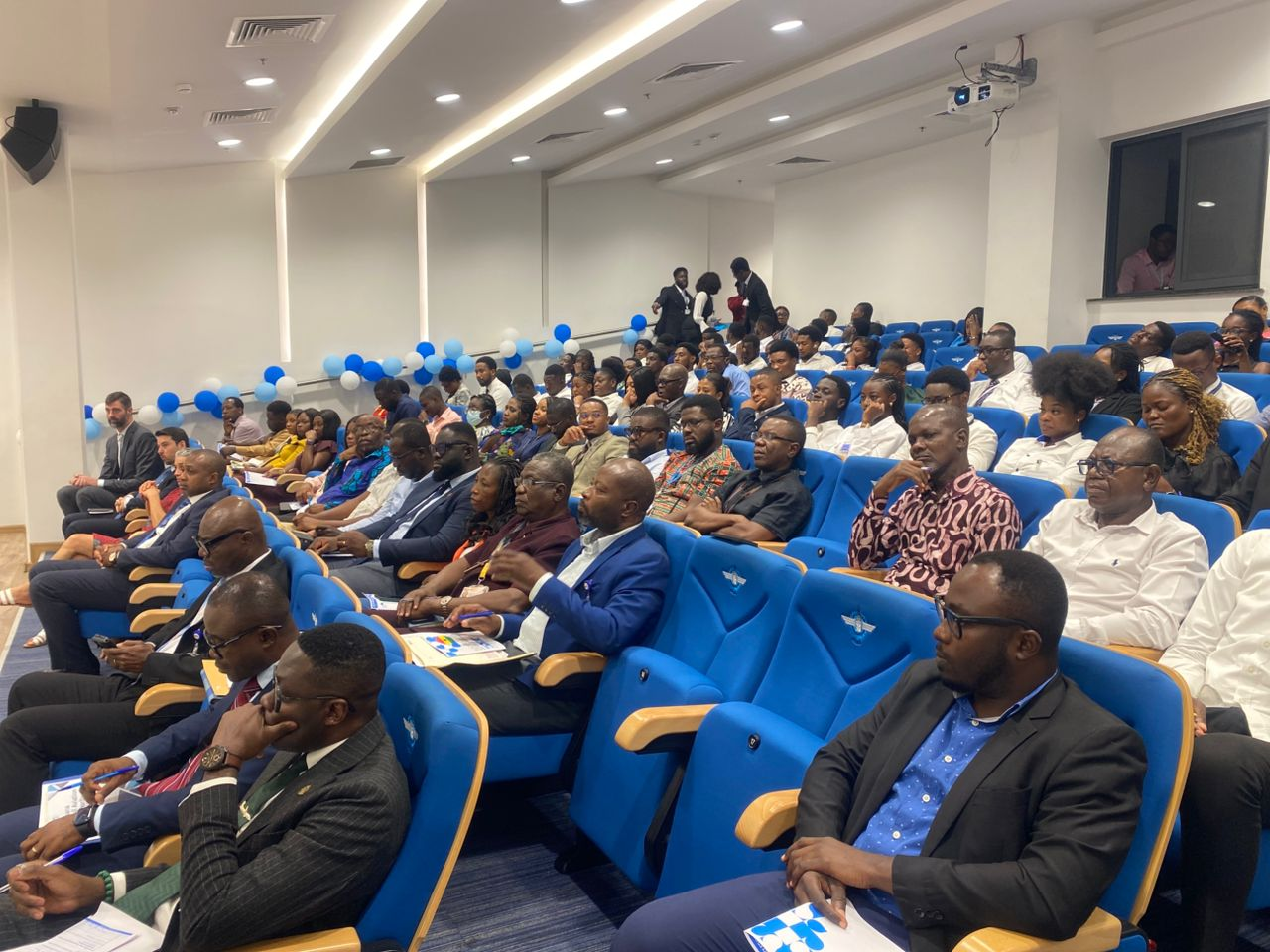
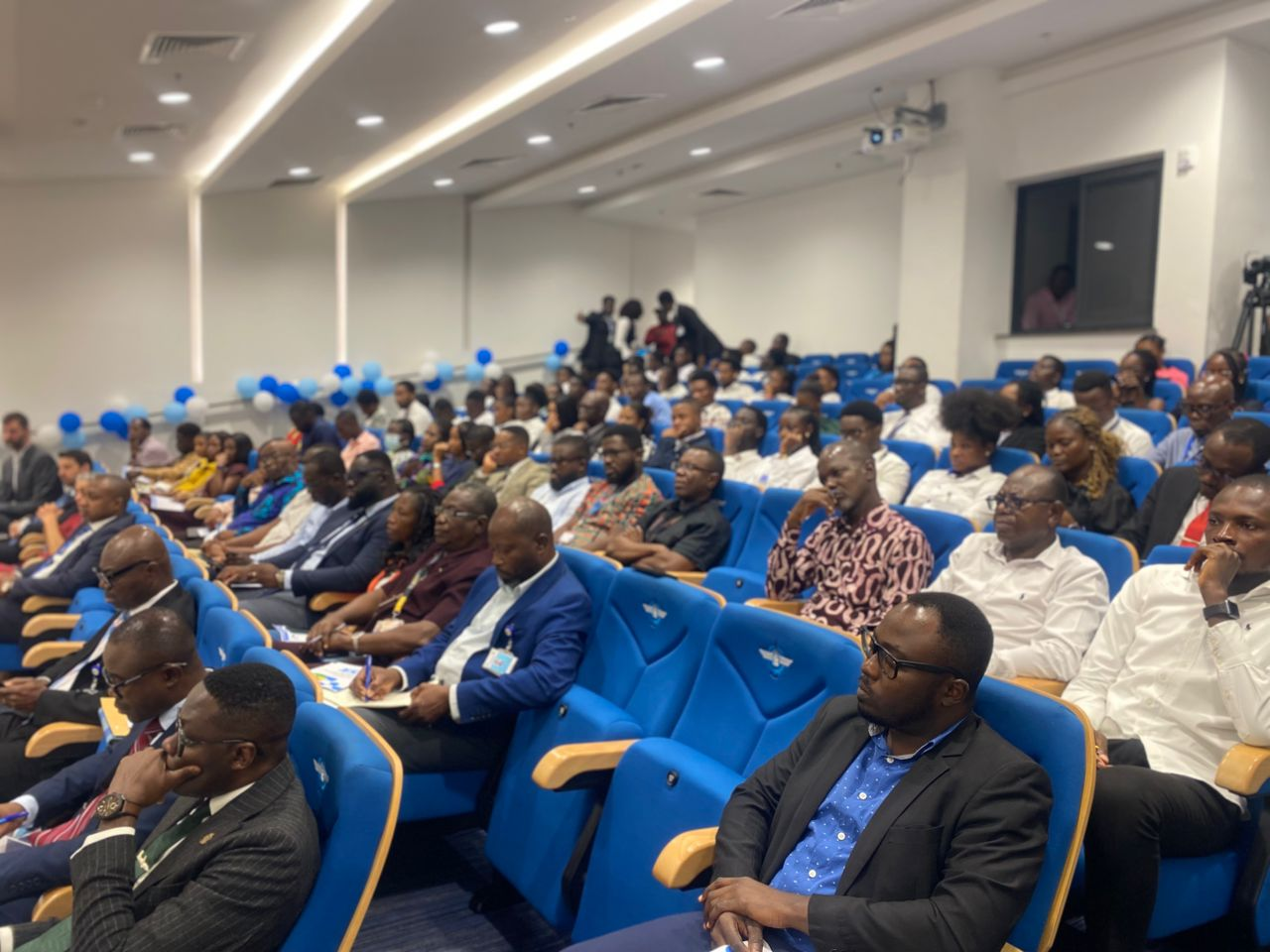
The two-day workshop brought together government agencies, academia, and industry stakeholders to craft regulatory mechanisms that not only comply with ICAO standards but also position Ghana as a leader in sustainable aviation across Africa.
“The GCAA is committed to guiding this process with rigour, transparency, and foresight,” Rev. Arthur said, urging participants to translate feasibility studies into practical action.
“Together, we can chart a course towards cleaner skies and a sustainable future for aviation. Let us ensure that Ghana’s aviation sector remains compliant, competitive, and environmentally responsible,” he added.


