 0
0
 0
0 I had seen strange stories in my years as a journalist. But nothing prepared me for what I found in Jato Village in the Eastern Region.
There was talk of a “laptop” in the village. Everyone mentioned it casually.
Before you jump to conclusions, let me clarify. It’s not the sleek, modern machine with screens and keyboards commonly used in the cities.
In Jato, the term ‘laptop’ refers to a pack of Indomie noodles. Yes, the same instant noodles, shaped like a laptop, and widely known locally as the Indomie laptop.
I laughed at first. The idea seemed absurd, almost comical. But my laughter faded quickly when I heard the story behind it.
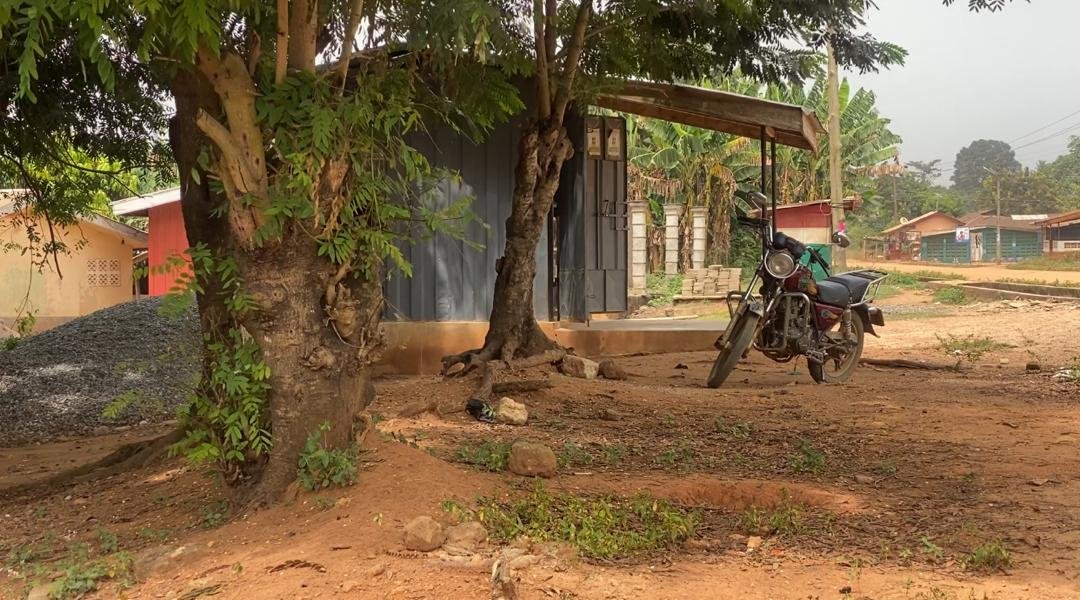
Jato is a small community where most people earn a living producing Akpeteshie, and motorcycles, or okada, are the primary means of transport. On the surface, the okada riders are a lifeline, offering mobility in a place where walking long distances is part of daily life.
But, in the same hands that provide this essential service, danger has quietly found its way.
Some okada riders have begun exploiting the girls in the community, offering Indomie, a simple, cheap, everyday noodle meal, in exchange for sexual favors, earning them the local nickname “Indomie laptops.” What should have been a tool for progress has become a weapon of abuse.
I was baffled by the revelation. How wicked can some people be? And then my mind kept turning to that Indomie. Just ordinary noodles. Does it even have vegetables, or meat, like we see in the cities? Probably not. And yet, to them, it must feel like a lifeline, a fragile moment of joy in lives too often hollowed by hunger and longing.
The consequences are devastating. Teenage pregnancies are climbing every year. Childhoods are being stolen. Dreams are being destroyed.
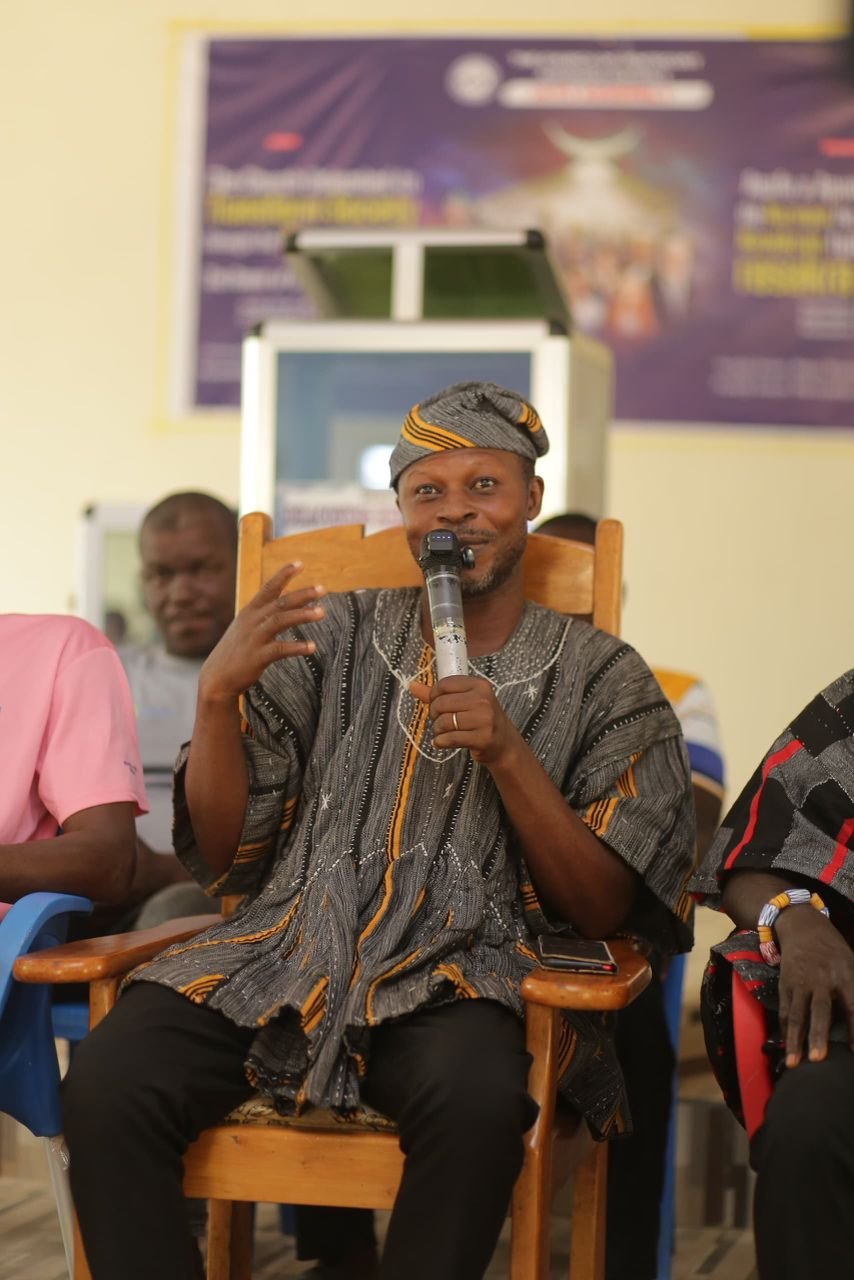
“Almost every year, we record pregnant candidates taking the BECE, and it is all because of the okada riders,” the Chief of Jato, Baffour Teitey Adjewi Narh III, revealed.
Now, the big question: why has a simple meal become a tool for exploitation?
Speaking to some girls, they told me that getting enough to eat daily is a struggle. Others need money for sanitary pads they cannot afford. For them, a single pack of noodles was survival. A pair of sanitary pads was hope. Hence, to survive, they turn to the okada riders for help, often at the cost of their innocence.
“The girls depend on the okada riders for mainly indomie, and also sanitary pads and other school items,” the Chief confirmed.
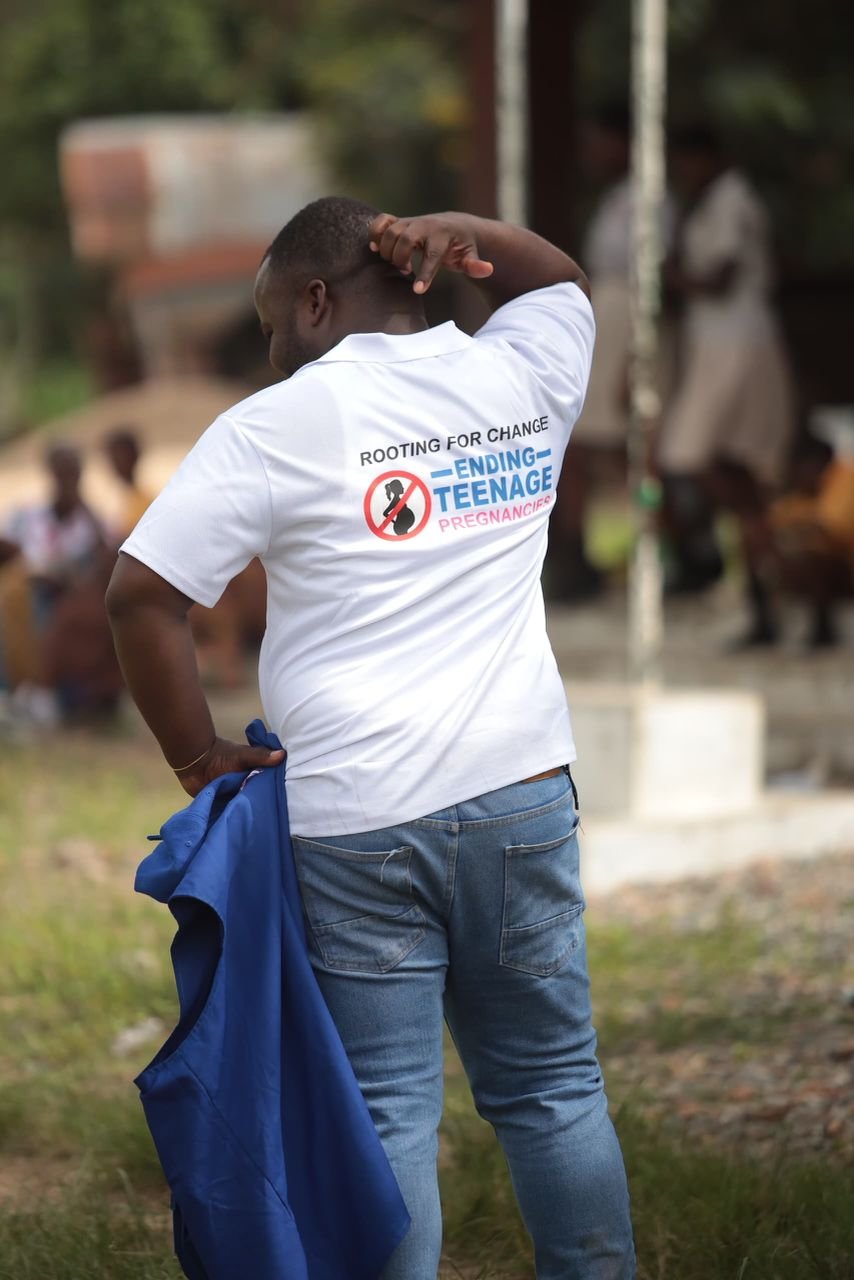
Amid this heartbreaking reality, a glimmer of hope has emerged. Plan International Ghana, stepped in. The organization, as part of a global network working to promote children’s rights and gender equality, has launched its Rooting for Change project in Jato to challenge the cycle of exploitation and give these girls a fighting chance.
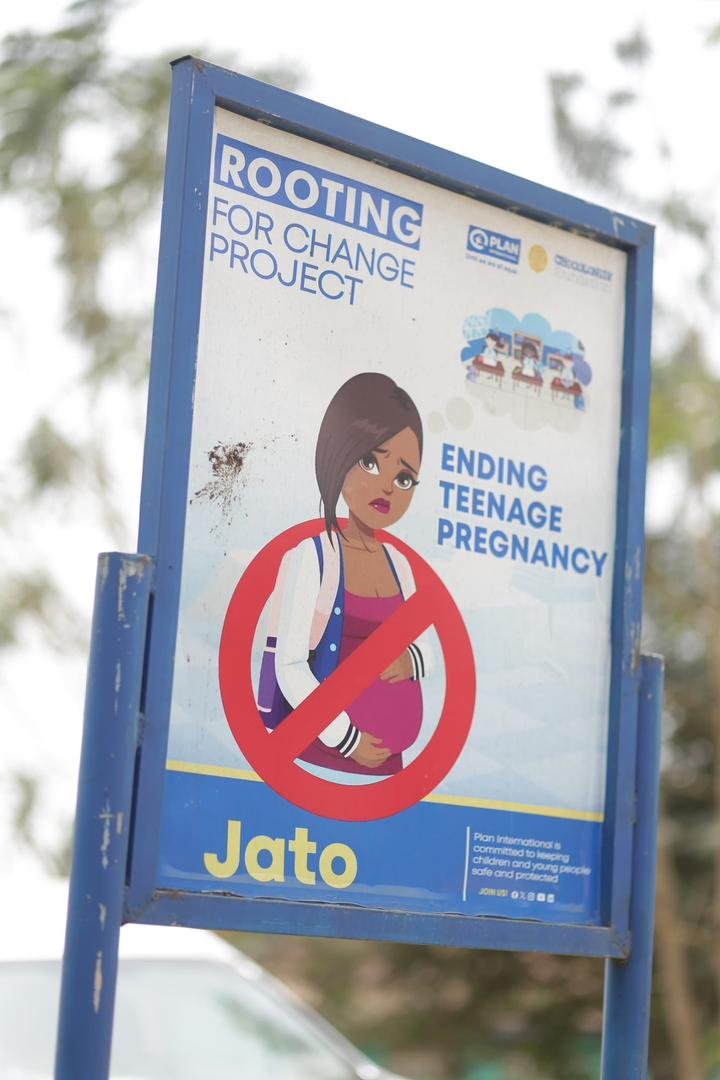
The organization didn’t just bring aid; it brought knowledge, resources, and a lifeline that aimed to protect childhoods before they were lost.
“In cocoa-growing communities, there are issues of child abuse and teenage pregnancies. With funding from Tony’s Chocolonely, a leading Dutch cocoa company, the Rooting for Change project was introduced to empower at least 800 adolescents, aged 10 to 19, by September 2026. With a focus on ensuring that at least 60% of the beneficiaries are female, the project seeks to provide comprehensive sexual and reproductive health services (SRHR) in a discrimination-free environment,” Project Manager, Bless Vieku said.
The Chief of Jato, Baffour Teitey Adjewi Narh III, confirmed the change the project has brought to the community.
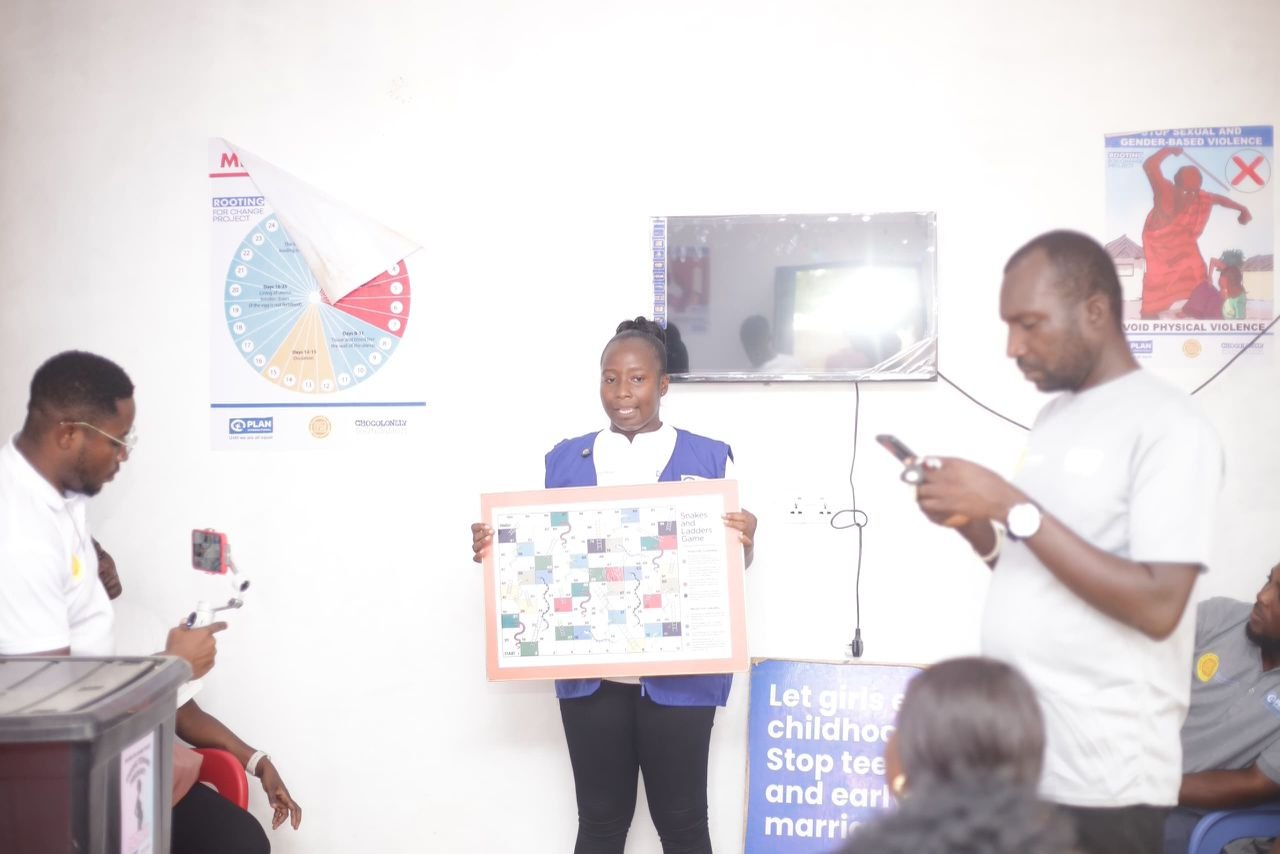
“Since Plan International Ghana started this project, we have seen a real shift in the community. They have provided sanitary pads to schools to help the girls, and established centers where children who face abuse can safely report. They have stocked these centers with books and resources that teach girls about the risks of early sexual activity, unwanted pregnancies, and exploitation. Parents are now more aware of their responsibilities, and children know where to turn if they face challenges. As a result, some of the risky behaviors we used to see have reduced significantly,” he said.
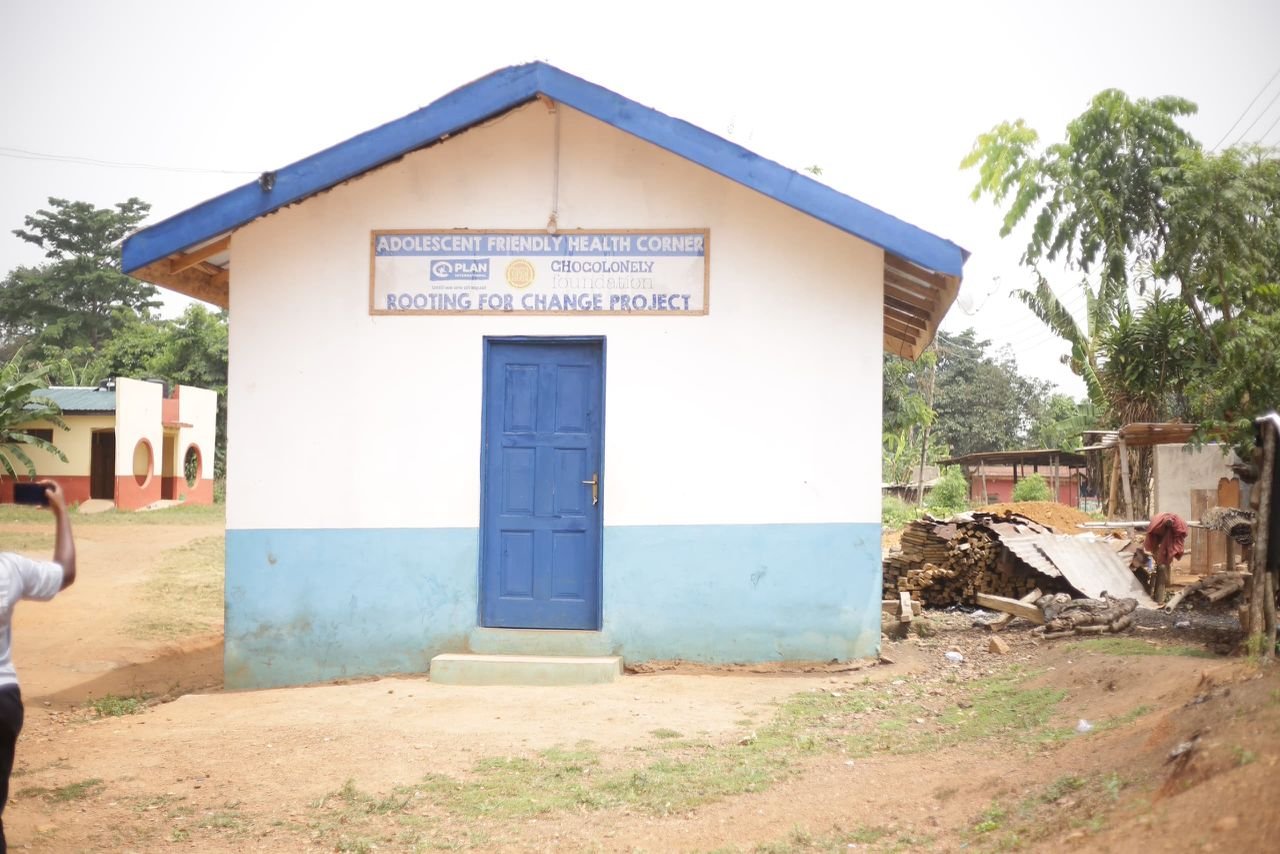
Girls in the community have also felt the difference firsthand. Mary, not her real name, shared her experience:
“Before this project, I was dating plenty boys at a time. I didn’t understand the risks I was taking. But now, I know how dangerous it could be. I have learned to say no and protect myself. And I even advise my friends too,” she shared.
Even the okada riders have noticed the change.
Line Manager of Human Rights and Community Development at the Asentenapa Cocoa Cooperative Union, Ivan Ayivor, recounted that some riders recently approached him, frustrated that their previous influence over the girls no longer worked.
“They said formerly, when we bring them laptops, the girls would follow them everywhere. Now, they don’t,” he highlighted.
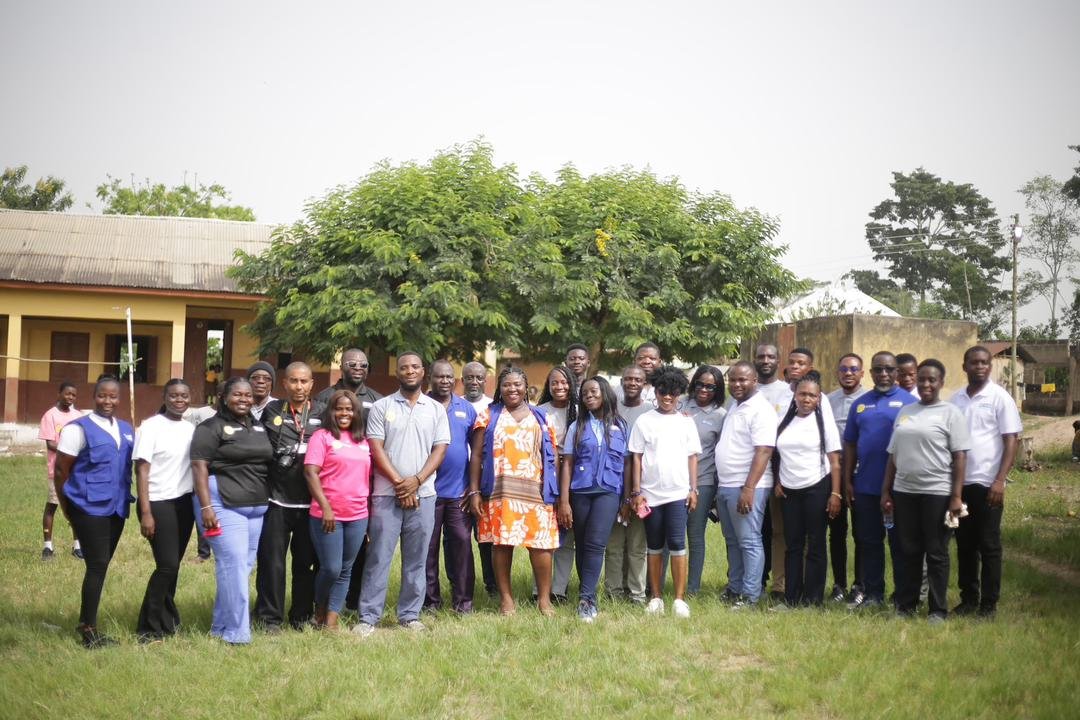
The impact is clear: when knowledge, resources, and community support come together, childhoods can be protected, and the cycle of exploitation can be broken.
But how many communities like Jato are out there? How many villages are silently grappling with hunger, exploitation, and teenage pregnancies while the world looks the other way?
The challenge is far from over. While Plan International Ghana’s Rooting for Change project is making a difference here, there are countless other communities where girls remain vulnerable, where their innocence is still being stolen for something as ordinary as a pack of noodles.
I remember a moment in one of the schools, when of our cameramen flew a drone. The students went crazy, running to see it, eyes wide, pressing forward, laughing, shouting, unable to take their eyes off it. They even followed him all the way to the car as he packed it up.
And it dawned on me how easily children are drawn to what feels precious, just like the Indomie that some are being exploited for. That simple pack of noodles, ordinary to us, is extraordinary to them. And it is precisely because of this fragility and curiosity that the stakes are so high.
A senior journalist once told me, “A true journalist is one who makes impact.”
And in that moment, I felt it. I am grateful to Plan International Ghana for inviting me to be part of their 2026 media training, a reminder that there is always more to be told, more voices to amplify, more lives to protect.
Undoubtedly, some journalists across the country are already telling these important stories. But the reality before us demands even more; more voices, more presence, more persistence. Some stories are still unheard. Some communities are still unseen.
It is in moments like these that the role of journalism becomes critical. We are the fourth estate, the fourth arm of government. Our microphones and platforms are not just tools. They are instruments of change. We must tell these stories, relentlessly and boldly, shining a light on injustice, and holding those who exploit the vulnerable accountable.
We must go into these communities, listen to their voices, and report with courage. We must amplify the stories of children like Mary, whose lives can be altered by awareness and support, and ensure that no child feels invisible or voiceless.

This is more than reporting; this is impact-making. This is where journalism stops being about headlines and starts being about lives.
The Indomie laptop may seem absurd at first glance. But behind its simplicity lies a story of hunger, desperation, and exploitation.
And unless we speak out, unless we push, unless we report consistently, the cycle will continue. The story is out there, waiting for us to tell it, and it is our duty to ensure it is heard.


