













HRW urges Korea to ease restrictions on proposed abortion pill rules
 0
 0

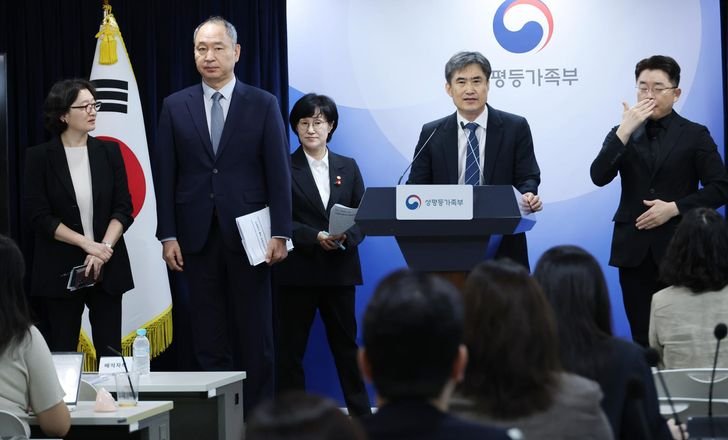
Officials of the Ministry of Food and Drug Safety hold a press briefing on the introduction of abortion pills at the Seoul government complex, in this file photo from Sept. 16. Yonhap
WASHINGTON — Human Rights Watch (HRW) has urged South Korea to ensure wider access to abortion pills as the country moves to formally introduce the medication next year, describing the initiative as an important step but warning that restrictions could make abortion services inaccessible.
In a press release issued Sunday, the New York-based international human rights group said the Seoul government’s plan to formally introduce medication abortion in 2027 would help address a longstanding regulatory gap but criticized proposed restrictions on its use.
“Allowing the use of abortion pills is an important step, but South Korean lawmakers need to ensure that regulations aren’t so restrictive that abortions are inaccessible and unaffordable,” Susanne Bergsten, acting women’s rights research assistant at HRW, said in the release.
“South Korea’s National Assembly should swiftly align abortion legislation with international human rights standards to protect patients and providers,” she added.
Last month, the South Korean government announced a plan to formally allow the use of abortion pills by women up to nine weeks pregnant, as related regulations remain unrevised following the Constitutional Court’s 2019 decision to strike down the abortion ban.
Under the plan, abortion pills would initially be approved for use during the first nine weeks of pregnancy, with only doctors at large medical institutions directly prescribing and dispensing the medication for the first two years.
HRW argued that the currently proposed rules were inconsistent with medical practices supporting medication abortion for up to 12 weeks of pregnancy and World Health Organization recommendations allowing a broader range of qualified health workers to provide such care.
The group also warned that restricting the number of authorized providers could prevent women from obtaining timely medical services, particularly those who face difficulties accessing hospitals.
In addition, HRW urged South Korean lawmakers to ensure that abortion services are covered by the national health insurance system and to enact legislation clarifying abortion rights, and protecting patients and medical providers.