 0
0
 0
0 The act of illegal fishing in coastal areas has destroyed fish species, damaged fish habitats, posed health hazards, contaminated water bodies, fuelled conflicts with semi-industrial fishers, and, in extreme cases, resulted in the loss of lives.
These impacts are unfolding within a wider climate crisis.
Climate change and its associated extreme weather events, including storm surges, strong winds, rising temperatures, erratic rainfall and persistent flooding, pose some of the most urgent environmental challenges to Ghana’s sustainable development.
Scientific evidence shows that these climate stressors are already affecting agricultural productivity and accelerating the decline of fish stocks by altering breeding cycles, migration patterns and ocean productivity (Awuni et al. 2023 Dunee et al. 2025 Oduro et al. 2025).
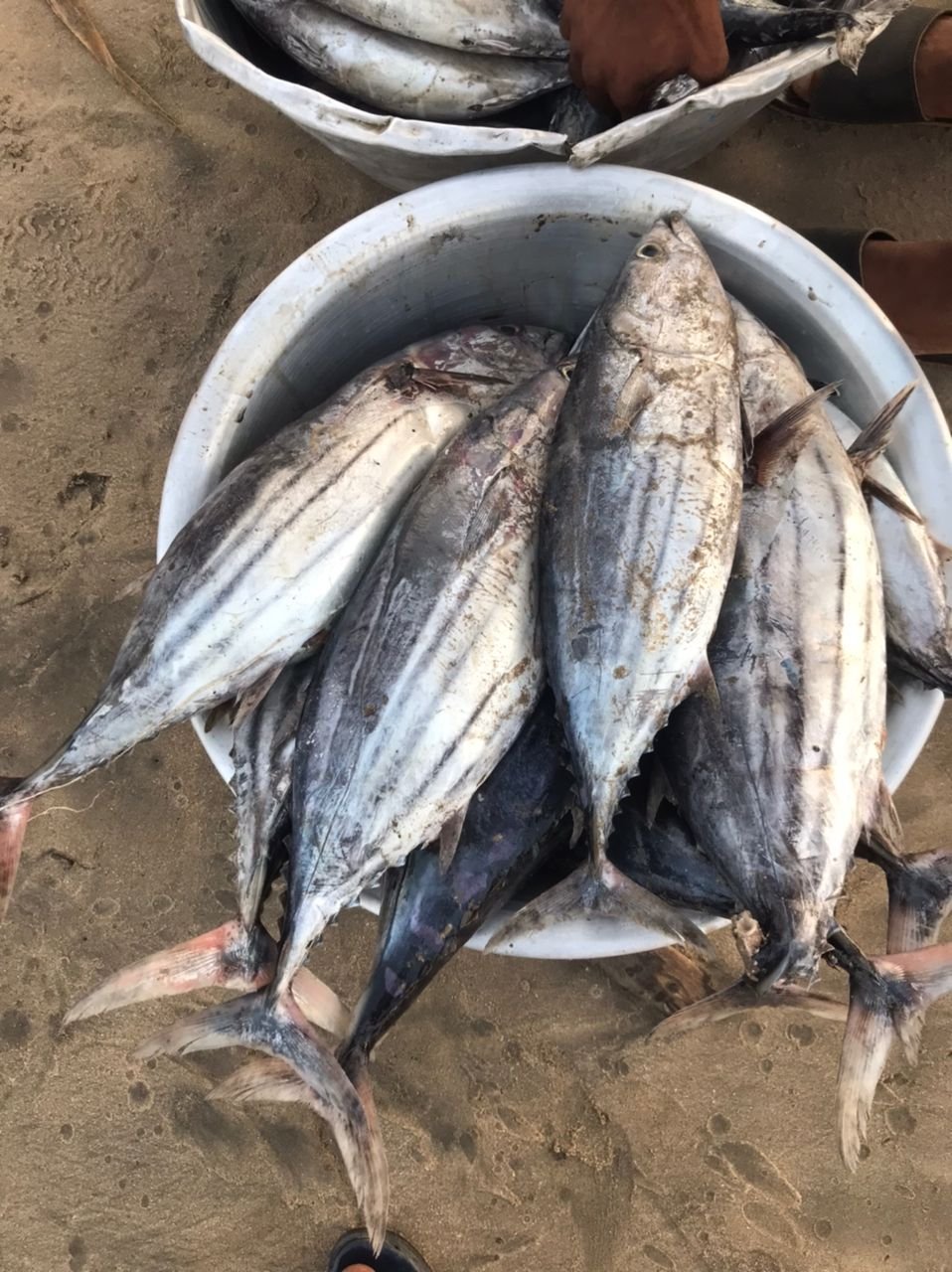
Many agrarian communities in Ghana rely heavily on farming and fishing as their main source of livelihood. As climate variability reduces yields on land and at sea, households are exposed to income losses and food insecurity.
Limited access to finance, lack of alternative job opportunities, inadequate education, weak law enforcement and the politicisation of fisheries management have compounded these pressures.
In some coastal communities, these intersecting vulnerabilities have pushed sections of the population into illegal fishing practices, which further degrade marine ecosystems, threaten consumer health and undermine the long-term sustainability of fisheries.
This story focuses on how climate change is reshaping fishing livelihoods, why some fishers are resorting to illegal practices, the risks these practices pose to consumers, and the pathways available to address illegal fishing in Ghana’s coastal communities through adaptation and sustainable livelihood interventions.
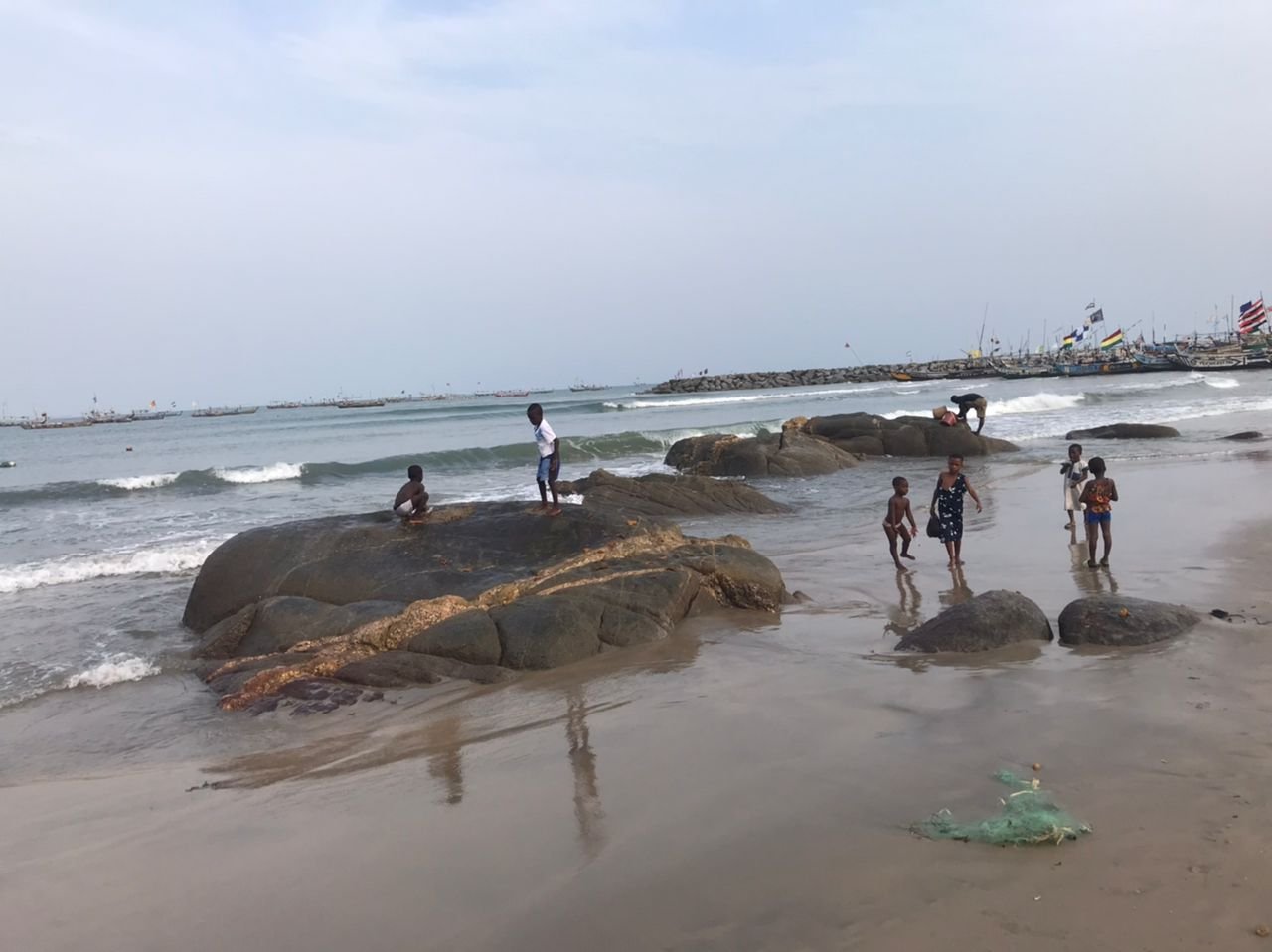
At the Winneba Fish Landing Site, leaders of fisher associations and canoe owners describe how declining fish stocks are being felt at the local level. Nana Kweku Banny, the chief fisherman at the Winneba landing site, explains how fishing practices have changed as catches have declined. According to him, illegal fishing was not previously part of their livelihood system but has grown alongside increasing pressure on marine resources.
“From the 1990s to 2000s, we never practiced light fishing, so when we started using light for fishing, the amount of fish in the sea reduced drastically. Some people have been using DDT and acid for fishing which has further driven away the fish. We have been reporting these bad practices to the fishery commission officers still the situation has not changed”.
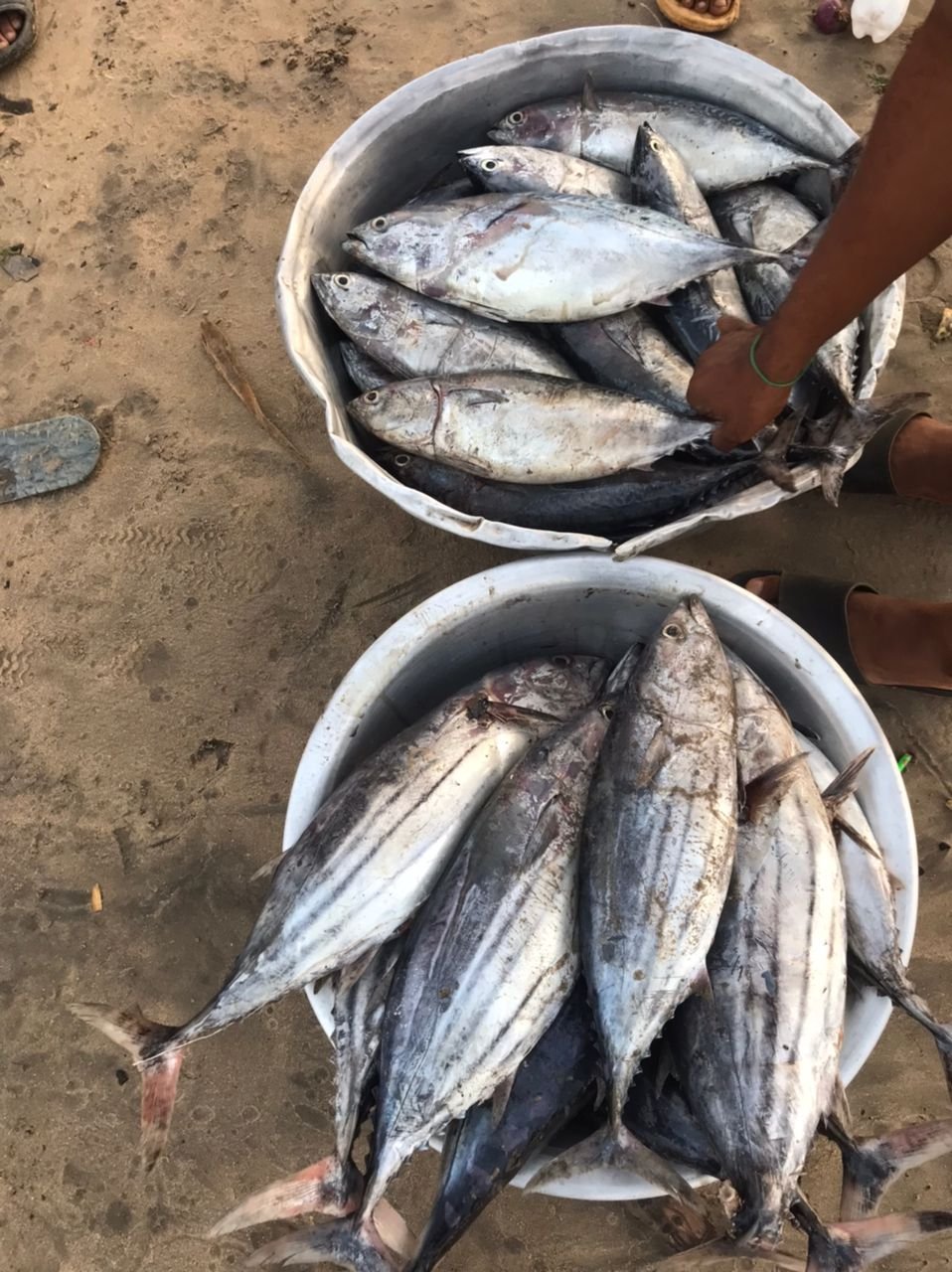
Madam Sophia, a fishmonger, links the decline in fish availability to growing economic hardship, especially for women who depend on fish processing and trading.
“We make our daily bread through fishing, so if there are no fishes we suffer to feed our families. The fishermen also use petrol to fuel their boats for fishing, but if they come back without a catch, they run at a lost.”
Her experience reflects how climate-induced reductions in catch translate directly into livelihood losses along the entire fisheries value chain.
Fisheries scientists and climate change experts warn that climate impacts on marine systems are intensifying the risks associated with illegal fishing.
Dr Jemaima Etornam, a fisheries scientist and lecturer at the University of Education, explains how rising sea levels and increasing sea surface temperatures are weakening the productivity of Ghana’s coastal waters and reducing fish availability.
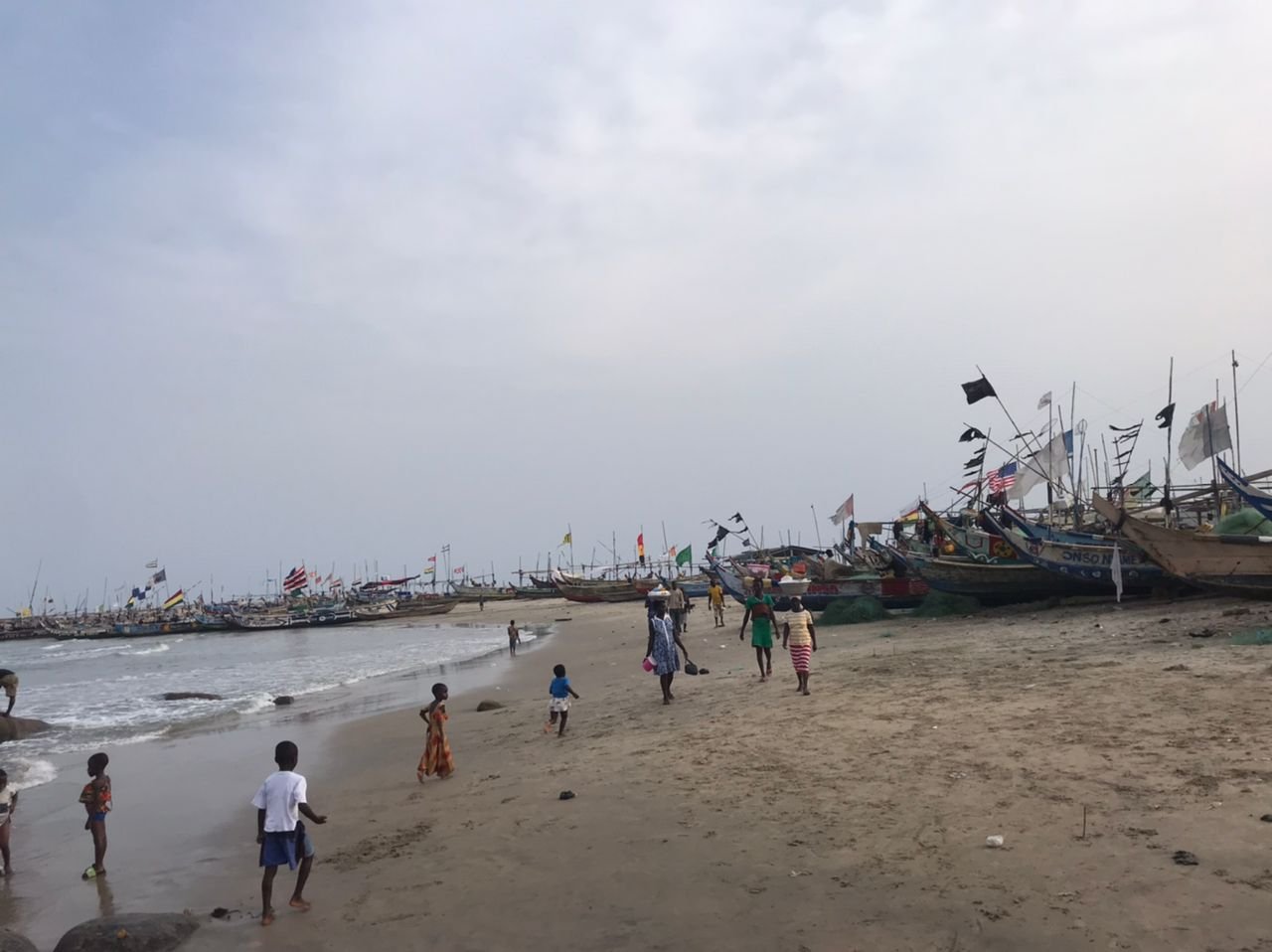
“As we have climate change effects such as sea level rise, and increased sea surface temperature, it means that the strength our sea level is greatly reduced, which affects our catch.”
She further highlights the public health implications of illegal fishing practices that rely on harmful chemicals.
“We have reports of the use of dynamites and some fishers use DDT and acid, sometimes petrol mixed with gary or Omo mixed with gary for fishing. Some effects of these illegal fishing practices include: abdominal upset.”
These practices not only destroy marine habitats but also expose consumers to serious health risks, compounding the social cost of climate-driven livelihood stress.
Experts argue that addressing illegal fishing requires adaptation interventions that reduce pressure on marine ecosystems while strengthening livelihood resilience. Dr Victor Owusu, a development geographer and lecturer at the Department of Geography at the University of Education, emphasises the importance of economic diversification and alternative livelihoods.
“It is all about job creation, introducing interventions like fish farming, which will help to reduce the pressure on fishing and make a better livelihood for the fishers”.
The Winneba Fish Landing Site is located along the coast of Winneba Simpa in the Efutu Municipality in the Central Region. Strengthening enforcement of fisheries laws, improving political commitment to sustainable fisheries management, and expanding access to alternative livelihood opportunities such as aquaculture and value addition are critical adaptation measures.
These interventions align with Ghana’s National Adaptation Plan, which prioritises empowering local communities to lead environmental conservation efforts and build resilient and adaptive livelihood systems.
Effective implementation will contribute to achieving Sustainable Development Goal 1 on no poverty, Sustainable Development Goal 12 on responsible consumption and production, and Sustainable Development Goal 14 on life below water.
This story is brought to you by JoyNews in partnership with CDKN Ghana and the Centre for Climate Change and Sustainability at the University of Ghana, with funding from the CLARE R4I Opportunities Fund.


